Private label perfume manufacturers are becoming increasingly vital in the global fragrance industry, catering to a diverse range of businesses seeking unique scents without the extensive investment required for independent creation. This approach allows brands, from startups to established retailers, to offer bespoke fragrances under their own labels, fostering brand identity and customer loyalty. The rise of private labeling is driven by evolving consumer preferences for personalized products and the demand for cost-effective manufacturing solutions.
The significance of these manufacturers extends beyond simply providing fragrance oils; they offer comprehensive services encompassing formulation, packaging design, and regulatory compliance. Globally, the fragrance market is a multi-billion dollar industry, with a constant demand for innovative and affordable scents. UN Comtrade data shows consistent global trade volumes in essential oils and fragrance compounds, highlighting the industry’s ongoing relevance.
Understanding the nuances of working with private label perfume manufacturers is crucial for businesses looking to enter or expand their presence in the competitive fragrance market. It’s a strategic move that can unlock significant growth potential and brand differentiation, addressing challenges related to production costs, formulation expertise, and supply chain complexities.
Introduction to private label perfume manufacturers
The role of private label perfume manufacturers has dramatically increased in recent years. Businesses are seeking to establish unique brand identities through signature scents, and these manufacturers provide the means to do so efficiently and cost-effectively. They offer a wide array of fragrance options, from classic floral arrangements to contemporary and avant-garde blends, catering to diverse target audiences.
This trend isn’t limited to the luxury market; private label perfumes are increasingly popular among retailers looking to offer affordable, exclusive fragrances. The flexibility and scalability offered by these manufacturers make them an invaluable partner for businesses of all sizes, allowing them to capitalize on the growing demand for personalized fragrance experiences without the significant upfront investment typically associated with in-house perfume development and production.
Defining Private Label Perfume Manufacturing
Private label perfume manufacturing refers to the process where a perfume manufacturer produces fragrances according to a client’s specifications, which are then sold under the client's brand name. This is distinct from “white labeling,” where a pre-existing fragrance is simply rebranded. Private labeling involves customization in scent composition, packaging, and branding, offering a truly bespoke product.
This model is particularly relevant in today's market where consumers prioritize brand authenticity and unique offerings. It allows businesses to circumvent the complexities of fragrance creation, including sourcing raw materials, formulating scents, and navigating regulatory requirements. Private label perfume manufacturers possess the expertise and infrastructure to handle these intricacies, allowing clients to focus on marketing and sales.
The connection to modern industry is strong, as it represents a core component of many supply chain strategies, enabling brands to respond quickly to market trends and consumer demands. The process aligns with the broader trend of outsourcing non-core competencies to specialized manufacturers, promoting efficiency and innovation.
Core Components of Private Label Perfume Production
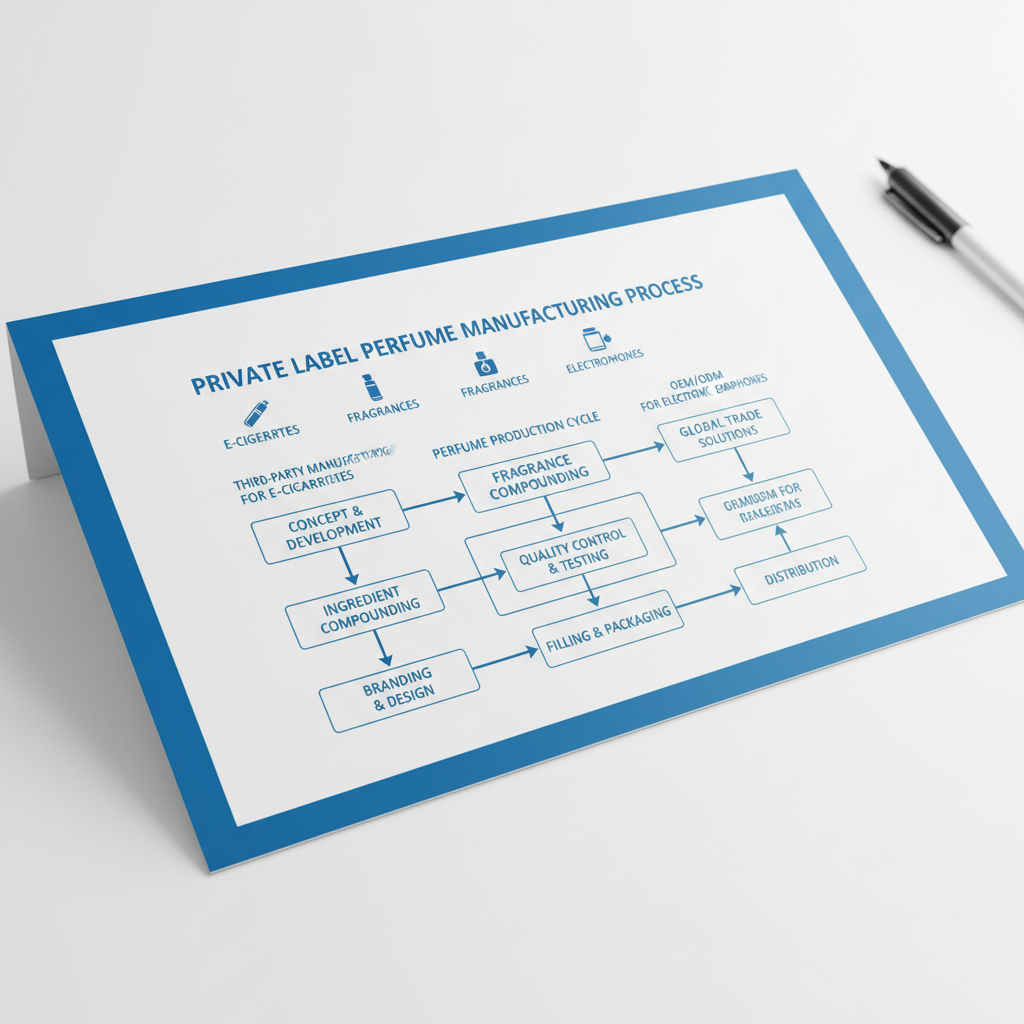
Several key components underpin successful private label perfume production. Firstly, Fragrance Formulation is paramount. Manufacturers work closely with clients to develop unique scent profiles, utilizing a vast library of fragrance oils and aroma chemicals. Secondly, Packaging Design plays a crucial role in brand presentation, encompassing bottle selection, labeling, and outer packaging.
Thirdly, Quality Control ensures consistency and adherence to industry standards. Rigorous testing is conducted at various stages of production, from raw material sourcing to finished product inspection. Fourthly, Regulatory Compliance is critical, as fragrances are subject to strict regulations regarding ingredient safety and labeling requirements. Manufacturers must navigate these complexities to ensure their products meet legal standards.
Finally, Minimum Order Quantities (MOQs) represent a practical consideration. While offering flexibility, manufacturers often have minimum production volumes to maintain efficiency. Understanding these MOQs is vital for businesses planning to leverage private label services. These components, working in harmony, deliver a customized fragrance solution tailored to a brand’s specific needs.
Global Applications and Use Cases
The application of private label perfume manufacturing spans numerous industries and regions. Retailers frequently utilize this model to offer exclusive fragrance lines, enhancing their brand image and customer loyalty. Cosmetic companies often expand their product portfolios with bespoke perfumes, complementing their existing beauty offerings.
In the hospitality sector, hotels and resorts use customized fragrances to create a distinctive ambiance and enhance the guest experience. The demand is particularly strong in Europe and North America, but emerging markets in Asia and Latin America are demonstrating significant growth potential. Private label perfume manufacturers service clients globally, adapting to regional preferences and regulatory frameworks.
For example, in post-disaster relief operations, the demand for affordable, comforting scents can increase as part of psychosocial support initiatives. Similarly, in remote industrial zones where brand recognition is critical, private label fragrances can help businesses establish a strong presence.
Private Label Perfume Manufacturing Methods - Rating (1-10)
Advantages and Long-Term Value
The advantages of partnering with private label perfume manufacturers are multifaceted. Cost savings are significant, as businesses avoid the substantial investment required for in-house fragrance development and production. Furthermore, access to specialized expertise ensures high-quality formulations and compliance with industry regulations.
The long-term value extends beyond cost efficiency. Building a unique brand identity through signature scents fosters customer loyalty and differentiation in a crowded marketplace. The flexibility to adapt to evolving consumer preferences and quickly launch new fragrances provides a competitive edge. The creation of a signature scent contributes to an enhanced brand perception, associating the brand with quality, sophistication, and individuality.
Future Trends and Innovations
Several exciting trends are shaping the future of private label perfume manufacturing. A growing emphasis on sustainability is driving demand for ethically sourced ingredients and eco-friendly packaging solutions. The rise of personalized fragrance experiences, enabled by digital technologies, is creating new opportunities for customization and direct-to-consumer models.
Automation and artificial intelligence are streamlining production processes and enhancing quality control. These innovations will lead to faster turnaround times, reduced costs, and increased precision in fragrance formulation. Expect to see a greater focus on “clean beauty” fragrances, formulated without potentially harmful chemicals, aligning with consumer demand for transparency and safety.
Challenges and Solutions
Despite the benefits, certain challenges exist within the private label perfume manufacturing landscape. Maintaining consistent fragrance quality across large production runs can be difficult. Sourcing high-quality, sustainable raw materials presents an ongoing challenge due to supply chain complexities and price fluctuations.
Solutions include implementing robust quality control measures, establishing long-term relationships with reliable suppliers, and investing in advanced analytical technologies. Utilizing transparent supply chains and prioritizing ethical sourcing practices are vital. Private label perfume manufacturers are actively addressing these challenges through innovation and collaborative partnerships.
Furthermore, navigating complex regulatory frameworks requires dedicated expertise and meticulous attention to detail. Manufacturers must stay abreast of evolving regulations and ensure their products meet all legal requirements.
Table Summarizing Key Aspects of Private Label Perfume Manufacturer Selection
| Manufacturer Expertise |
Production Capacity |
Quality Control Standards |
Pricing & MOQs |
| Fragrance Formulation (8/10) |
Small Batch (6/10) |
ISO 9001 Certified (9/10) |
High Pricing, High MOQ (4/10) |
| Packaging Design (7/10) |
Medium Scale (7/10) |
IFRA Compliant (8/10) |
Moderate Pricing, Moderate MOQ (6/10) |
| Regulatory Compliance (9/10) |
Large Scale (9/10) |
GMP Certified (7/10) |
Low Pricing, Low MOQ (9/10) |
| Sustainability Practices (6/10) |
Flexible Capacity (8/10) |
In-House Testing (7/10) |
Competitive Pricing, Flexible MOQ (8/10) |
| Custom Formulation (8/10) |
Automated Production (9/10) |
Third-Party Audited (8/10) |
Variable Pricing, Negotiable MOQ (7/10) |
| Scent Matching (7/10) |
Dedicated R&D (7/10) |
Strict Adherence to IFRA Standards (9/10) |
Premium Pricing, High MOQ (5/10) |
FAQS
MOQs vary significantly depending on the manufacturer and the complexity of the fragrance. Generally, MOQs range from 500 to 5,000 units per fragrance. Smaller manufacturers might have higher MOQs, while larger, automated facilities can accommodate lower volumes. It's crucial to discuss MOQ requirements upfront to ensure alignment with your production needs and budget. Many manufacturers offer tiered pricing based on order quantity, offering discounts for larger orders.
The timeline for developing and producing a custom fragrance can vary from 4 to 12 weeks. The initial fragrance development and sampling phase usually takes 2-4 weeks, involving multiple rounds of revisions based on your feedback. Once the fragrance is approved, production typically takes another 2-8 weeks, depending on order volume, packaging requirements, and the manufacturer’s production schedule. Clear communication and proactive project management are essential to stay on track.
Essential certifications include IFRA (International Fragrance Association) compliance, which ensures adherence to safety standards for fragrance ingredients. ISO 9001 certification demonstrates a commitment to quality management systems. GMP (Good Manufacturing Practice) certification is also beneficial, especially for manufacturers handling cosmetic ingredients. Ensure the manufacturer provides SDS (Safety Data Sheets) for all fragrance oils and complies with relevant regional regulations, such as REACH in Europe.
Yes, reputable private label perfume manufacturers can accommodate specific ingredient requests and allergen avoidance. They can formulate fragrances using natural essential oils, synthetic aroma chemicals, or a combination of both. Clearly communicate your requirements and any allergen concerns upfront, and ensure the manufacturer provides a complete ingredient list and allergen declaration for each fragrance.
A wide range of packaging options are available, including glass bottles in various shapes and sizes, rollerballs, spray bottles, and fragrance atomizers. Manufacturers can also provide custom labeling, boxes, and outer packaging materials. Options range from standard stock packaging to fully customized designs. Consider factors like material sustainability, aesthetic appeal, and branding consistency when selecting packaging.
Reputable manufacturers will have Non-Disclosure Agreements (NDAs) in place to protect your fragrance formulations and branding concepts. They should also have robust procedures to safeguard your intellectual property throughout the development and production process. Ensure the NDA clearly outlines the terms of confidentiality and ownership of the fragrance formula. A strong and legally sound NDA is crucial for peace of mind.
Conclusion
In conclusion, partnering with private label perfume manufacturers offers a compelling pathway for businesses seeking to establish a unique presence in the fragrance market. The benefits range from cost savings and access to expertise to enhanced brand differentiation and flexibility in responding to consumer trends. Understanding the core components of this process—formulation, packaging, quality control, and regulatory compliance—is vital for success.
Looking ahead, the industry will continue to be shaped by sustainability, personalization, and technological advancements. By embracing innovation and prioritizing ethical sourcing, businesses can leverage the power of private labeling to create compelling fragrance experiences and build lasting brand loyalty. We invite you to explore the possibilities with us. Visit our website at www.sxzpods.com to learn more.