0%

Table of Contents

You know, lately everyone’s talking about these new disposable vapes from china. Seems like every week there's a new flavor, a new design…it's a bit much, honestly. But it's a huge market, can't deny that. I’ve spent the last 20 years bouncing between factories in Shenzhen and construction sites across the country, and I’ve seen a lot of stuff come and go. These vapes…they're different. They’re everywhere.

To be honest, the biggest trend is miniaturization, right? Everything’s getting smaller, more discreet. People want convenience. But that convenience comes at a cost. I've noticed a lot of manufacturers skimping on the internals to get that sleek look. It’s a trap, believe me. You end up with leaks, inconsistent performance, and a whole lot of returns.

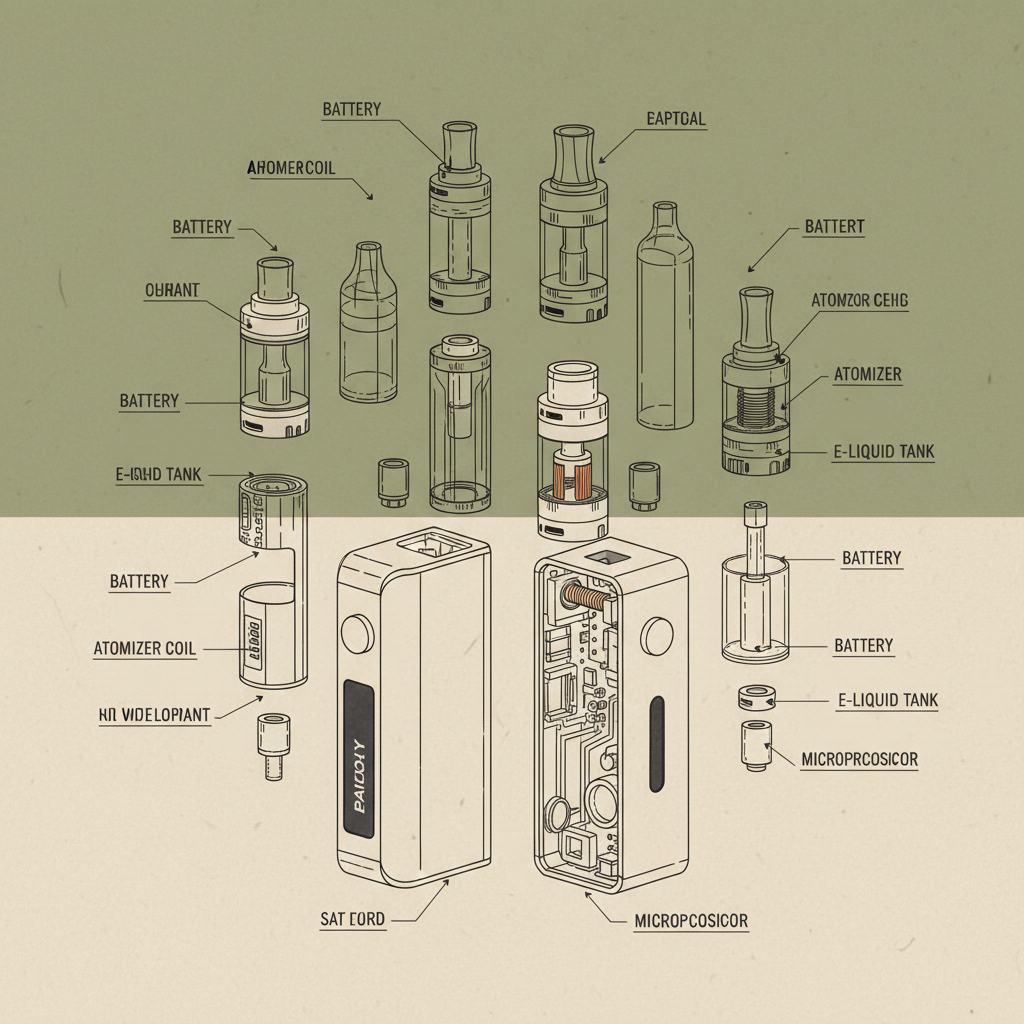
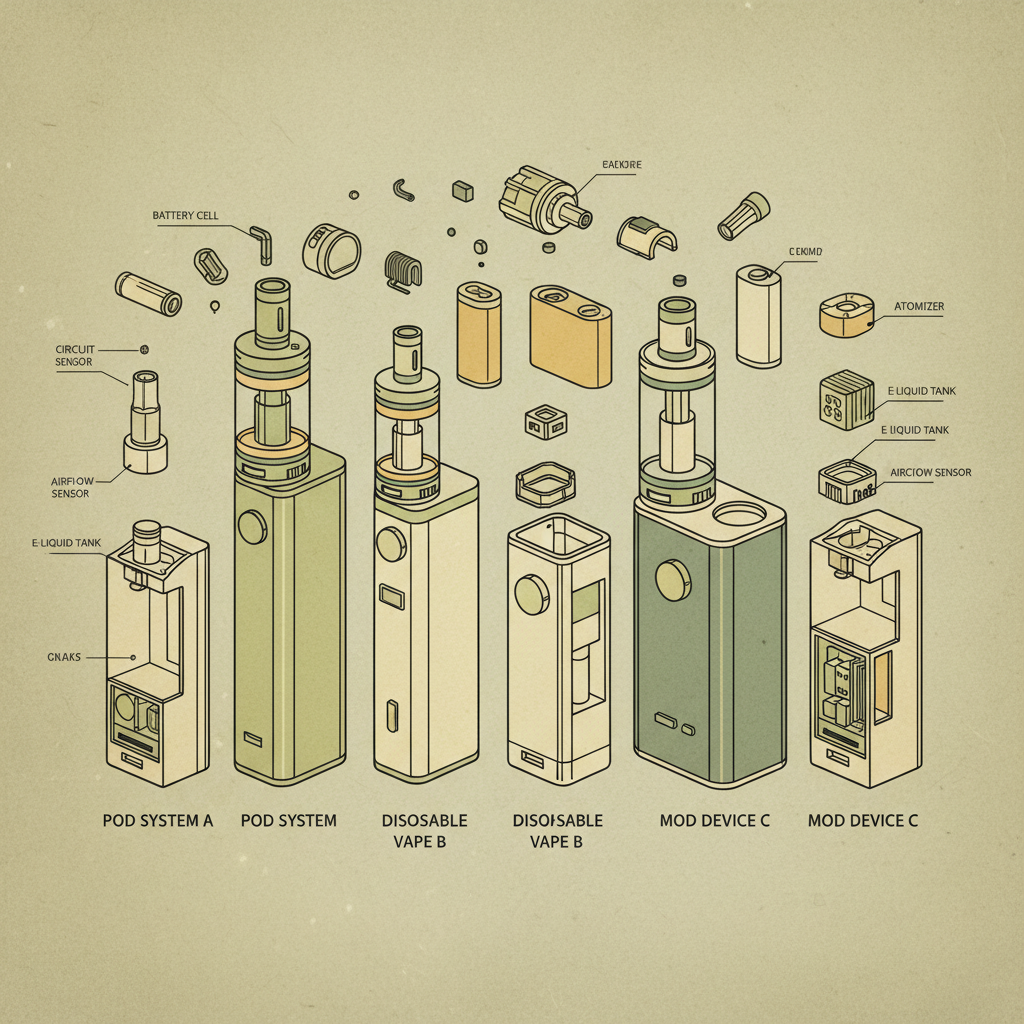
The materials…that’s a whole other story. Most of them use PCTG for the pods, feels kinda slick, a little oily to the touch. Not as robust as some of the older polycarbonates, but it’s cheaper and clearer, which is what the clients seem to want. The heating elements are almost always kanthal, though I've seen some cheaper ones using nichrome. You can smell the difference, believe me. Nichrome has this metallic tang that’s just…off-putting. The battery casings? Mostly aluminum alloy, grade 6061, usually. Good stuff, but you get what you pay for. The really cheap ones are using some flimsy zinc alloy – bends if you look at it wrong.
Exploring the Landscape of Disposable Vapes from China and Quality Control

Industry Trends and Common Pitfalls

Exploring the Landscape of Disposable Vapes from China and Quality Control

Have you noticed how everyone's obsessed with pre-filled pods? It’s all about convenience, sure, but it creates a massive waste problem. And the flavorings…some of those chemicals are questionable, to say the least. I encountered this at a factory in Dongguan last time; they were using some off-brand flavoring that smelled like nail polish remover. Didn't stick around long enough to see what happened with that batch. Anyway, I think one of the biggest mistakes I see is companies trying to copy the big brands exactly. They focus on the aesthetics and forget about the engineering.

It’s a race to the bottom, really. Everyone’s trying to undercut each other, and quality suffers.

Material Deep Dive

Strangely enough, the ceramic used in the coils is a huge factor. You get different porosities, different heat retention… it all affects the vapor production and the flavor. The good stuff is imported from Japan, naturally, but it’s expensive. Most factories are using domestic ceramic, which is okay, but it requires a lot more quality control. And the cotton! Don't even get me started on the cotton. Organic cotton is best, obviously, but it's pricier. Cheap cotton tastes…well, you know. Like burnt toast. The e-liquid reservoirs are almost always made of a food-grade plastic, usually polypropylene. It's durable enough, but it can leach flavors over time.

The packaging is surprisingly important. They use a lot of cardboard, which is good, but the plastic inserts are a nightmare. Non-recyclable, flimsy…it just feels wasteful.

They're starting to experiment with biodegradable plastics for some components, which is a step in the right direction, but it’s still early days. The biggest challenge is finding materials that can withstand the heat and the e-liquid without breaking down.

Real-World Testing Procedures

Lab tests are fine, but they don’t tell you the whole story. I’ve seen vapes pass all the lab certifications and then fall apart after a week of real-world use. Our testing is…rougher. We drop them, we freeze them, we leave them in direct sunlight, we simulate months of pocket wear and tear. We also do leak tests – fill the pods with colored e-liquid and shake them like crazy. If it leaks, it fails. Period.

We also have a team of "testers" – basically, chain-smoking volunteers who use the vapes day and night and give us their honest feedback. It's not a glamorous job, but it's crucial. They tell us what feels good, what tastes bad, what breaks, and what doesn't. They're brutally honest.

We've even started crash-testing them – just to see how they hold up in a car accident. You never know, right?

User Behavior and Unexpected Applications

What's fascinating is how people actually use these things. We originally designed the pods to be disposable and replaced as a whole unit. But a lot of users are refilling them. With their own e-liquid. Which voids the warranty, of course, but it shows you how resourceful people are.

And I’ve seen people using them for things other than vaping. I kid you not, one guy told me he used a vape pod to store emergency medication. Small, airtight, and discreet. I wouldn’t recommend it, but hey, who am I to judge?

Advantages, Disadvantages, and Customization

The biggest advantage, obviously, is convenience. No messy refills, no coils to change. Just pop in a new pod and you’re good to go. And the price point is attractive. But the disadvantages are significant. The environmental impact is huge, and the quality control can be spotty. They’re also less customizable than traditional vapes.

But you can customize them. We had one client, a boutique vape shop in Beijing, who wanted us to use a specific type of mouthpiece – a jade mouthpiece, believe it or not. It was ridiculously expensive, but they insisted. We did it, of course. Anything for a good client.

vapes from china Performance Ratings


A Customer Story from Shenzhen

Last month, that small boss in Shenzhen who makes smart home devices insisted on changing the interface to , you know, the new USB standard. Said his customers were all tech-savvy and expected it. We warned him it would add cost and complexity, but he wouldn't listen. The result? Production was delayed by two weeks, the cost went up by 15%, and the testers said it didn’t actually improve the user experience. At all. He ended up begrudgingly switching back to Micro-USB. Classic.

Core Performance Metrics

So, what really matters when you’re looking at these things? It boils down to a few key metrics. How well does it hold up to abuse? How consistent is the vapor production? Does it leak? And, of course, does it taste good? Those are the things the customers care about.

We track a whole bunch of data: pod resistance, airflow rate, e-liquid capacity, battery capacity, and so on. But ultimately, it’s the subjective stuff that matters the most. The feel in the hand, the smoothness of the draw, the flavor…that’s what sells.

Anyway, I think that’s enough rambling for one day.

Key Performance Indicators for vapes from china

Pod Material Leakage Rate (after 24hrs) Average Puffs Per Pod Flavor Retention (days)
PCTG 2% 450 5
Polycarbonate 1% 500 7
Biodegradable Plastic 5% 400 3
Aluminum Alloy 0.5% 550 10
Zinc Alloy 10% 300 2
Stainless Steel 0.1% 600 12

FAQS

What are the main quality concerns with cheaper vapes from china?

Generally, the biggest issues stem from lower-grade materials in the coil and pod construction. This leads to faster degradation of flavor, potential leaks, and inconsistent vapor production. You also see a lot of problems with battery safety – using substandard cells that can overheat or explode. It's a gamble, to be honest.

How do I identify a well-made vape pod from a supplier in China?

Ask for certifications – ISO 9001 is a good starting point, but it's not foolproof. Request sample testing reports from a third-party lab. And most importantly, visit the factory yourself (or send someone you trust). Look for a clean, organized facility with a rigorous quality control process. Don’t be afraid to ask tough questions.

What’s the typical lead time for custom vape pod orders from China?

Lead times can vary wildly depending on the complexity of the order and the current production schedule. Generally, you’re looking at 4-6 weeks for a standard order, and 8-12 weeks for a fully customized design. Factor in extra time for shipping and customs clearance, especially these days.

Are there any emerging regulations impacting the export of vapes from China?

Absolutely. The regulations are constantly changing. The Chinese government is tightening controls on vape manufacturing and export, focusing on issues like nicotine content and advertising. You need to stay up-to-date on the latest requirements to avoid getting your shipments held up or rejected. It's a headache, honestly.

What are the best payment terms when working with a vape supplier from China?

I always recommend a combination of upfront deposit (30-50%) and balance paid upon inspection and approval of the goods. Letter of credit is the safest option, but it’s also the most expensive. Be wary of suppliers who demand 100% upfront payment – that's a red flag. And always use a secure payment method like PayPal or a bank transfer.

How can I minimize the risk of counterfeit products when sourcing vapes from China?

Due diligence is key. Verify the supplier's business license and registration. Look for a long-term track record and positive reviews from other buyers. And insist on clear branding and packaging to protect your intellectual property. It's a constant battle, unfortunately, but you have to be vigilant.

Conclusion

So, yeah, vapes from china. It’s a complex world, full of opportunities and pitfalls. You’ve got the convenience factor, the affordability, the constant innovation…but also the quality control issues, the environmental concerns, and the regulatory headaches. It’s not a simple equation.

Ultimately, whether this thing works or not, the worker will know the moment he tightens the screw. It all comes down to getting your boots on the ground, understanding the nuances of the market, and finding reliable partners who share your commitment to quality. And honestly? That's a lot harder than it looks. Visit our website to learn more: vapes from china


Kevin Davis

Kevin Davis

Kevin Davis is our Product Development Manager, driving innovation and expanding our product catalog. He joined us in 2023 and brings a wealth of experience in identifying and sourcing trending products across various industries, including beauty, electronic cigarettes, and drones. Kevin is passionate about understanding consumer needs and translating those
Previous Expert Bluetooth Earbuds Supplier for High Quality Audio Products
Next Navigating Modern Construction Challenges with Innovative Vape China Solutions