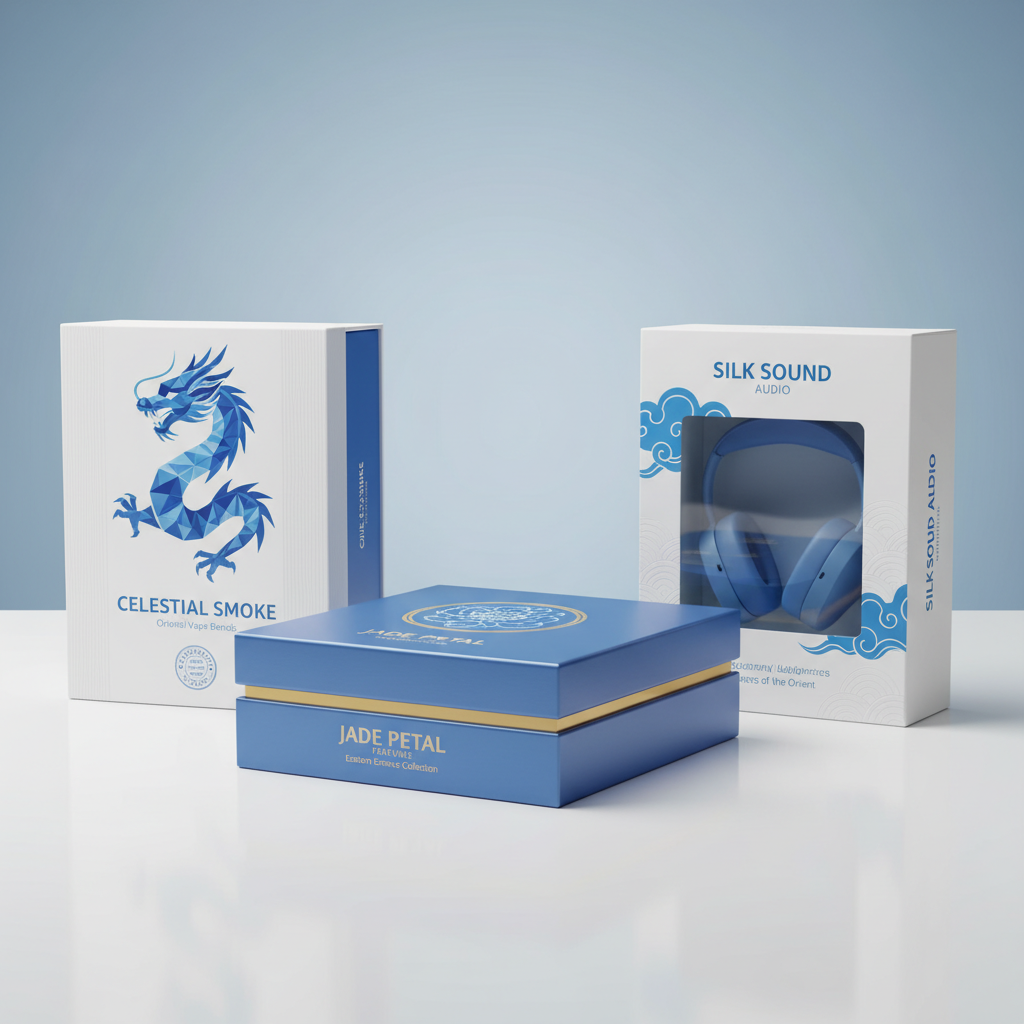
The global fragrance industry is a multi-billion dollar market, with a growing demand for personalized and niche perfumes. This has fueled the rise of the private label perfume manufacturing company sector, allowing brands to create unique scents without the massive investment of in-house production. Understanding this model is crucial for entrepreneurs, marketers, and anyone looking to enter the competitive world of fragrance. It offers flexibility, cost-effectiveness, and the ability to quickly respond to changing consumer preferences.
The increasing sophistication of consumers drives a desire for exclusive, customized products. A private label perfume manufacturing company empowers businesses to cater to this demand. From selecting fragrance oils and packaging to branding and marketing, the possibilities are virtually limitless. This model has democratized the perfume creation process, making it accessible to smaller brands and startups that previously couldn’t compete with established industry giants.
Successfully navigating this landscape requires a deep understanding of fragrance formulation, quality control, regulatory compliance, and effective brand storytelling. This detailed guide will explore the intricacies of private labeling, empowering you to make informed decisions and launch a successful fragrance brand. The rise of e-commerce has further amplified the importance of efficient private label perfume manufacturing company, allowing brands to reach a global audience with ease.
Introduction to private label perfume manufacturing company
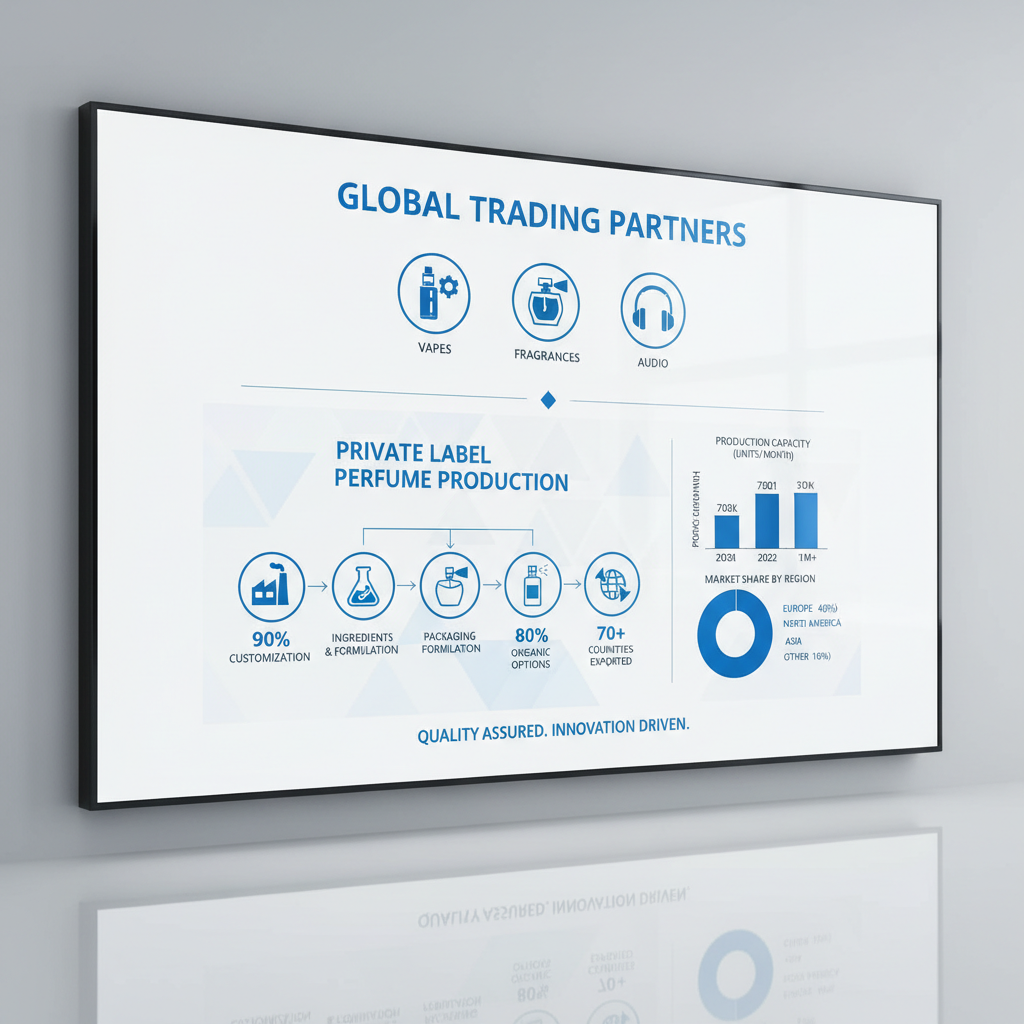
A private label perfume manufacturing company simplifies the process of creating a branded fragrance line. Instead of formulating, manufacturing, and packaging perfumes in-house, businesses partner with specialists who handle these complexities. This allows brands to focus on marketing, sales, and brand building, effectively leveraging the expertise of established perfume manufacturers.
This collaboration reduces the initial investment significantly, eliminating the need for expensive equipment, raw materials, and specialized personnel. It's a streamlined approach that enables businesses of all sizes to enter the fragrance market, fostering innovation and competition. The flexibility offered by private label perfume manufacturing company is a key driver of its growth.
The Global Relevance of Private Label Perfume Manufacturing
The global perfume market is estimated to reach over $97 billion by 2028 (source: Grand View Research), indicating substantial growth potential. While established brands dominate, the demand for personalized and niche fragrances is on the rise, opening doors for smaller players through private label perfume manufacturing company. This trend is particularly pronounced in developing economies with a growing middle class and increasing disposable income.
According to the UN, global trade in fragrances and cosmetics continues to expand, driven by increasing consumer spending and evolving beauty standards. The ability to quickly adapt to regional preferences and launch targeted campaigns is a significant advantage for businesses utilizing private labeling. This is especially crucial in a market saturated with choices, where differentiation is key to success.
Challenges in the global fragrance supply chain, such as fluctuating raw material costs and logistical disruptions, highlight the need for resilient manufacturing partnerships. A reputable private label perfume manufacturing company can mitigate these risks by maintaining diversified sourcing and efficient production processes.
Defining Private Label Perfume Manufacturing
Private label perfume manufacturing is a business model where a company (the brand) contracts with a manufacturer to produce perfumes under the brand’s label. The manufacturer handles all aspects of production, from fragrance formulation and sourcing of ingredients to bottling, packaging, and quality control. The brand then markets and sells the finished product as their own.
This differs from "white labeling," where a generic product is simply rebranded. With private labeling, brands have greater control over the fragrance composition, packaging design, and overall branding. A private label perfume manufacturing company offers customization options to create truly unique and marketable scents.
The importance of this model extends beyond simply reducing costs. It facilitates rapid product development and allows brands to test new scents and concepts without significant financial risk. In a rapidly evolving market, this agility is essential for maintaining a competitive edge.
Key Factors in Private Label Perfume Manufacturing
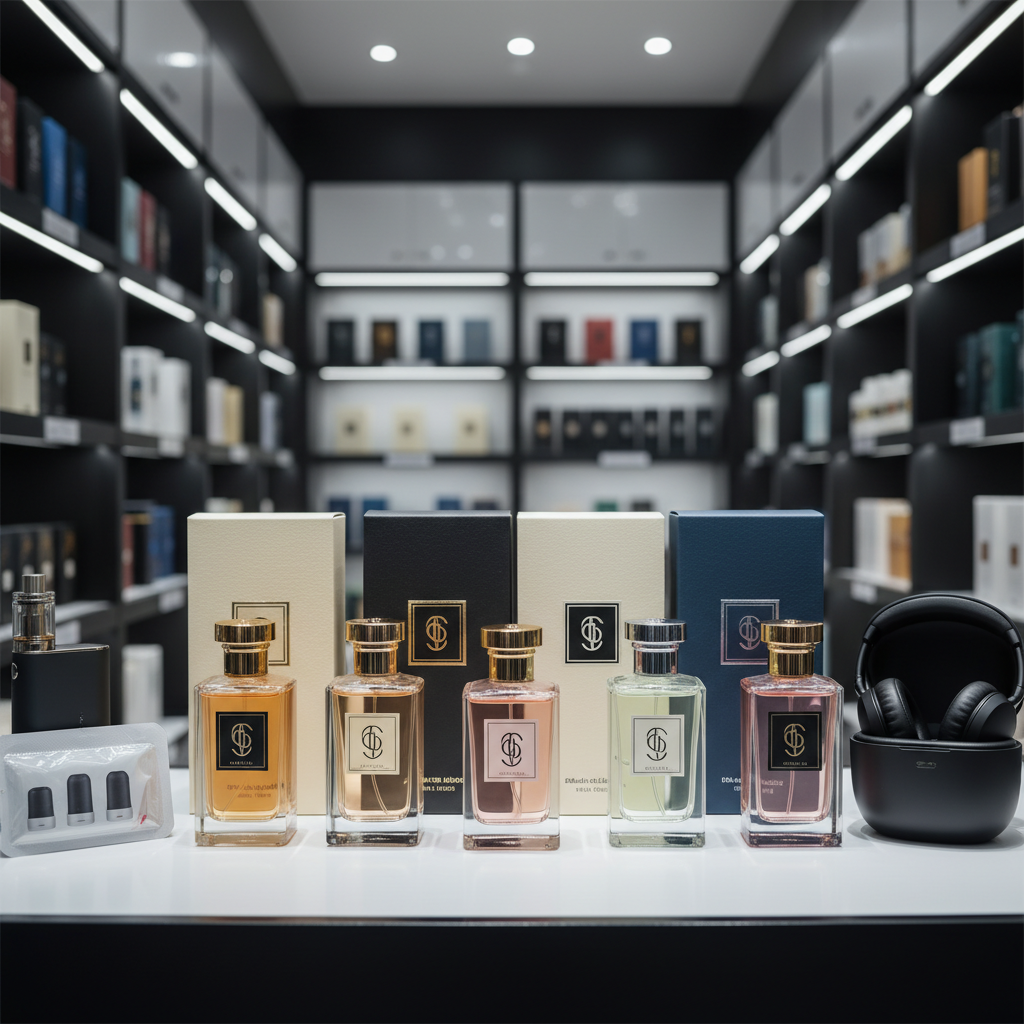
Several factors are critical to successful private label perfume manufacturing. First, Fragrance Quality is paramount. Selecting high-quality fragrance oils and ensuring precise formulation are essential for creating appealing and long-lasting scents. Second, Packaging Design significantly impacts brand perception. Attractive and functional packaging is crucial for attracting customers.
Third, Minimum Order Quantities (MOQs) vary between manufacturers and can impact affordability for smaller brands. Finding a private label perfume manufacturing company with flexible MOQs is vital. Fourth, Regulatory Compliance is non-negotiable. Manufacturers must adhere to international standards (such as IFRA) and local regulations regarding fragrance ingredients and labeling.
Quality Metrics in Private Label Perfume Manufacturing
Global Applications & Use Cases
Private label perfume manufacturing caters to a diverse range of businesses. Retailers seeking to expand their product lines with branded fragrances utilize this model extensively. E-commerce entrepreneurs often leverage private label perfume manufacturing company to launch direct-to-consumer fragrance brands.
Furthermore, the hospitality industry frequently employs private labeling to create signature scents for hotels and resorts, enhancing the guest experience. Corporate gifting is another significant application, where customized fragrances are used as promotional items or employee rewards. The ability to tailor scents to specific brand identities makes private labeling incredibly versatile.
Advantages & Long-Term Value
The advantages of partnering with a private label perfume manufacturing company are numerous. Cost savings are substantial, as brands avoid the significant investments associated with in-house production. Faster time-to-market is another key benefit, allowing businesses to quickly capitalize on emerging trends. The focus on branding and marketing leads to a stronger brand identity.
From a long-term perspective, private labeling fosters innovation and allows brands to build lasting relationships with their customers. Providing a unique and memorable scent experience enhances brand loyalty. By controlling the fragrance formulation and packaging, brands can curate a consistent and high-quality product that reinforces their brand values.
Future Trends & Innovations
The future of private label perfume manufacturing company will be shaped by several key trends. Sustainable sourcing of fragrance ingredients is gaining prominence, driven by growing consumer demand for eco-friendly products. Digitalization of the fragrance development process, including AI-powered scent creation and virtual sampling, is expected to accelerate.
Furthermore, personalized fragrances, tailored to individual preferences through data analysis and advanced formulation techniques, will become increasingly popular. The integration of blockchain technology to ensure transparency and traceability in the supply chain is also on the horizon. These innovations will transform the industry, offering brands greater flexibility, efficiency, and sustainability.
Automation and advanced robotics will streamline production processes, reducing costs and improving quality control. The rise of refillable and reusable packaging will contribute to a more circular economy within the fragrance industry.
FAQS
MOQs vary significantly between manufacturers, ranging from a few hundred to several thousand units per fragrance. Finding a private label perfume manufacturing company with flexible MOQs is crucial, especially for startups or brands testing new scents. Lower MOQs generally come with higher per-unit costs, while larger orders offer economies of scale. Negotiation is often possible, especially for established clients.
The timeline depends on the complexity of the project. Fragrance development and testing can take 2-4 weeks, while formulation and sample approval typically take another 1-2 weeks. Manufacturing lead times vary based on order size and manufacturer capacity but generally range from 4-8 weeks. Total time from initial concept to finished product can therefore be 8-14 weeks.
Costs vary depending on fragrance complexity, packaging choices, order quantity, and the manufacturer’s pricing structure. Fragrance oil costs range from $5-$50+ per kilogram. Bottles and packaging can cost $1-$10+ per unit. Manufacturing costs typically range from $3-$10 per unit. Overall, expect to invest several thousand dollars for a small initial production run.
Perfumes are subject to regulations from organizations like IFRA (International Fragrance Association) regarding ingredient safety and concentration limits. Labeling requirements vary by country and must include a list of ingredients, net weight, and manufacturer information. Compliance with local cosmetic regulations is also essential to avoid legal issues.
Most reputable private label perfume manufacturing company offer a range of customization options. You can typically choose from a library of existing formulas or work with a perfumer to develop a completely unique scent profile. The level of customization often depends on your budget and the manufacturer's capabilities.
Packaging options are extensive and include glass bottles in various shapes and sizes, spray atomizers, caps, labels, and outer boxes. You can choose from stock packaging or opt for custom designs. Sustainable packaging options, such as recycled glass and biodegradable materials, are becoming increasingly popular.
Conclusion
In conclusion, the private label perfume manufacturing company model offers a compelling pathway for businesses to enter the lucrative fragrance market. By leveraging the expertise of established manufacturers, brands can reduce costs, accelerate time-to-market, and focus on building their brand identity. The key to success lies in selecting a reputable partner, prioritizing quality, and staying abreast of industry trends.
Looking ahead, the future of private label perfume manufacturing will be shaped by sustainability, personalization, and technological innovation. By embracing these advancements, brands can create compelling fragrance experiences that resonate with consumers and build lasting loyalty. Visit our website at www.sxzpods.com to explore how we can help you launch your successful fragrance brand.