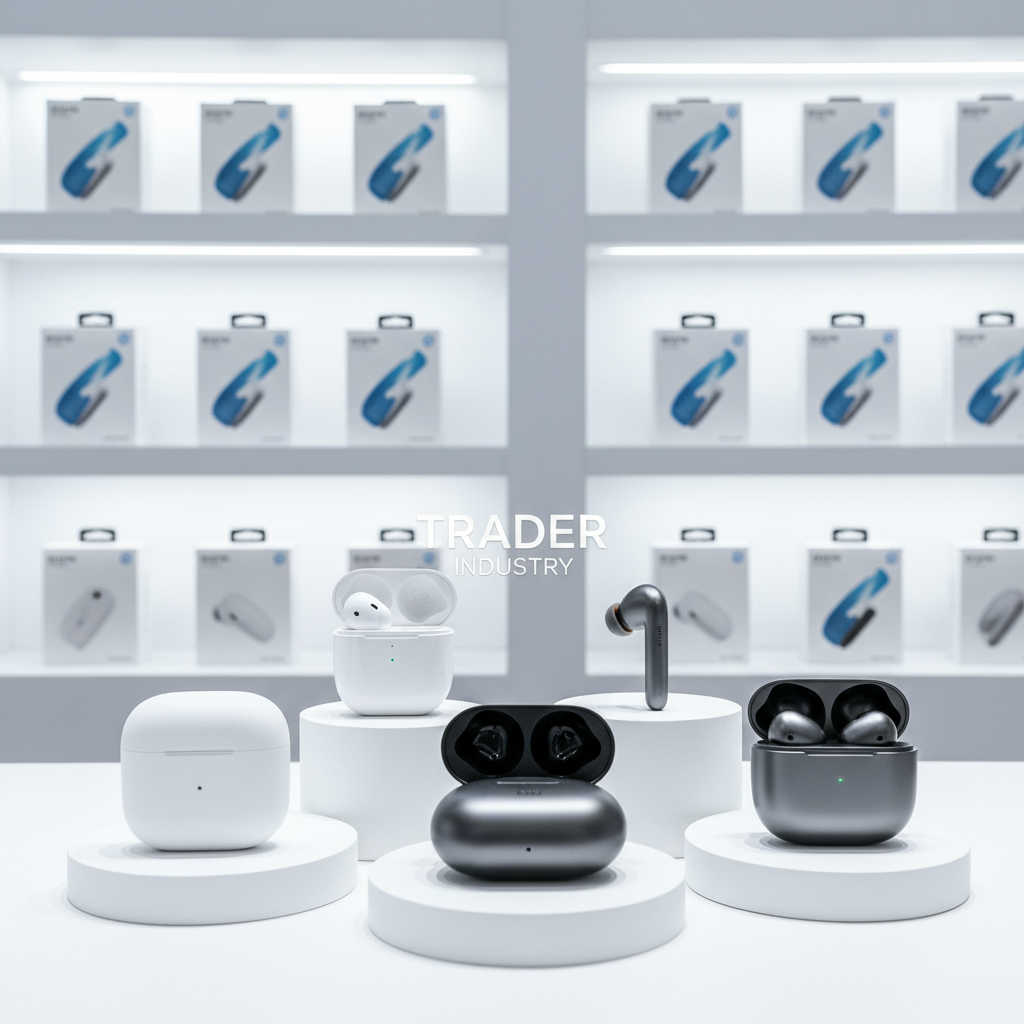
The shift toward personalized consumer electronics has transformed the vaping industry from a standardized commodity market into a landscape of individual expression. Users are no longer satisfied with off-the-shelf devices; they seek hardware that aligns with their aesthetic preferences and specific performance needs.
This movement toward vape custom solutions is driven by a combination of technological maturity and a desire for brand differentiation among resellers. When a device is tailored to a specific user base, it ceases to be a generic tool and becomes a lifestyle accessory.
Understanding the variables that define high-quality customization is essential for anyone looking to enter the resale market or optimize their user experience. This analysis explores the technical and commercial drivers behind the rise of bespoke electronic cigarettes and the criteria for selecting the right custom configurations.


Initially, the vaping market was dominated by a few generic designs that prioritized basic functionality over form. However, as the user base expanded, a clear divide emerged between entry-level users and enthusiasts who demanded more control over their devices. This demand catalyzed the transition toward professional customization.
Modern customization now spans from simple external branding to complex internal modifications. Companies specializing in high-quality 1:1 products have played a significant role in this by integrating premium materials into designs that were previously only available in luxury tiers, making bespoke options more accessible to the global trade market.
True customization involves more than just a change in color. The technical foundation of a customized device rests on three primary pillars: material selection, chipset optimization, and ergonomic refinement. Materials such as aerospace-grade aluminum, carbon fiber, or medical-grade polymers are chosen not only for their looks but for their heat dissipation properties and durability.
Chipset optimization allows for the fine-tuning of wattage, voltage, and temperature control, ensuring that the hardware perfectly complements the specific e-liquid being used. This level of synergy is what separates a generic device from a professional-grade custom build, as it directly impacts the flavor profile and vapor production.
Furthermore, the integration of high-capacity batteries and efficient charging circuits ensures that custom devices do not sacrifice utility for style. The goal is to create a balanced system where the internal electronics are as refined as the external chassis.
The challenge in the world of bespoke hardware is avoiding the "form over function" trap. A device that looks stunning but leaks or fails to maintain a consistent temperature is a failure in engineering. Professional customization requires a rigorous validation process where each aesthetic choice is vetted against its impact on device performance.
The value of custom hardware is found at the intersection of identity and reliability; if the customization compromises the core utility of the electronic cigarette, it loses its market viability.
This balance is achieved by utilizing a modular design approach. By separating the core functional components from the aesthetic housing, manufacturers can offer a wide range of visual styles without altering the proven internal architecture. This ensures that every custom piece maintains the same operational standard.
To evaluate the effectiveness of different customization strategies, we can look at a qualitative impact index. This index measures how various changes affect user perception and market value. For instance, while color changes provide an immediate visual upgrade, changes to the internal chipset provide long-term functional value.
By analyzing these factors, resellers can determine where to invest their budget to maximize the perceived value of their product lines. The following chart illustrates the relative impact of different customization levels on consumer attraction and product longevity.
For entrepreneurs in the foreign trade sector, offering custom options is a powerful way to avoid price wars. When a product is generic, the only way to compete is on price. However, by providing customized versions of electronic cigarettes, a reseller can create a unique brand identity that justifies a higher profit margin.
A typical scenario involves a distributor targeting a specific demographic—such as luxury seekers or tech enthusiasts—and tailoring the device's finish and features to match. By utilizing warehouses in strategic locations like California, New Jersey, or Germany, these resellers can deliver high-value custom products with the speed of local distribution, significantly increasing customer satisfaction and repeat business.
The next frontier in hardware personalization is the integration of smart materials and adaptive interfaces. We are seeing a move toward surfaces that can change color based on temperature or user preference, as well as the integration of more sophisticated IoT capabilities that allow users to customize their device settings via smartphone applications.
Sustainability is also becoming a core driver. Future custom builds will likely focus on biodegradable polymers and modular components that can be easily replaced or upgraded, reducing electronic waste while maintaining the high standards of 1:1 quality.
Furthermore, the convergence of beauty and electronics will continue. Just as perfumes are tailored to specific scent profiles, vape hardware is beginning to align with wider fashion trends, treating the device as a cohesive part of a luxury accessory kit.
When selecting a customization partner or a specific product configuration, it is vital to use a structured evaluation framework. The goal is to maximize the cost-performance ratio, ensuring that the materials used are the most effective for the intended market without unnecessary expense.
One must consider the trade-off between extreme personalization and production scalability. While a fully bespoke one-off piece is impressive, a scalable custom line allows for better inventory management and more consistent quality control.
The following table provides a relative assessment of common customization paths based on their suitability for different business models.
| Strategy | Initial Cost | Market Appeal | Scalability |
|---|---|---|---|
| Visual Branding | Low | Moderate | High |
| Material Upgrade | Medium | High | Medium |
| Internal Tuning | High | Very High | Low |
| Ergonomic Redesign | Very High | High | Low |
| Modular Kits | Medium | Moderate | High |
| Luxury 1:1 Spec | Medium | High | Medium |
In a professional context, a custom device refers to hardware that has been modified beyond factory defaults in terms of materials, internal electronics, or aesthetic branding. This can range from a "white label" product with a custom logo to a fully engineered device with a bespoke chassis and a tuned chipset designed for specific performance targets.
If done correctly, customization can actually extend the lifespan of a device. Using higher-grade materials like medical-grade stainless steel or reinforced polymers reduces wear and tear. However, poor customizations—such as using non-standard batteries or unshielded wiring—can compromise safety and significantly shorten the device's operational life.
For most resellers, a combination of premium material upgrades and custom branding provides the best ROI. While internal chipset tuning offers the most performance, material upgrades are more visually obvious to the customer and can be scaled more easily, allowing for a higher price point without the extreme cost of a full engineering redesign.
Yes, almost all custom hardware is designed to be compatible with standard e-liquids. However, the primary goal of customizing the internal coil and chipset is often to optimize the device for specific types of liquids (e.g., high-VG liquids), allowing for a smoother draw and better flavor reproduction than a generic device would provide.
The main risks include poor heat management, inconsistent power delivery, and potential leakage. Low-cost customizations often use inferior alloys or adhesives that degrade under high temperatures. In the long term, this leads to higher return rates and damages the reseller's reputation, making the "cheaper" option more expensive overall.
This is a permanent shift driven by the "premiumization" of consumer electronics. As users become more educated about the technology, they move away from disposable or basic products toward tools that reflect their personal identity. This mirrors trends seen in the automotive and luxury watch industries, where personalization is the ultimate value-add.
The rise of bespoke vaping hardware represents a broader trend where utility meets identity. For the consumer, it offers a tailored experience; for the entrepreneur, it provides a strategic path toward brand loyalty and higher margins. By focusing on the balance between material quality and technical performance, the industry is moving toward a more sustainable and sophisticated model.
Ultimately, the success of any vape custom project depends on a commitment to quality at every stage—from the initial chipset selection to the final chassis finish. As the market evolves, those who prioritize engineering integrity alongside aesthetic appeal will be the ones to lead the next wave of innovation.