When searching for the best way to electronic cigarettes buy, most entrepreneurs and resellers find themselves overwhelmed by a fragmented market of varying quality and inconsistent supply chains. The challenge is no longer just finding a product, but sourcing a high-fidelity version that balances cost-effectiveness with a premium user experience. For those entering the consumer electronics and lifestyle niche, the ability to secure reliable, high-quality hardware is the primary differentiator between a failing startup and a scalable business.
The strategic importance of sourcing high-quality electronic cigarettes extends beyond the device itself; it involves the entire ecosystem, including the compatibility of E-Liquid and the longevity of battery components. In a market where consumer expectations are driven by top-tier brands, offering 1:1 quality products ensures that resellers can maintain high customer retention rates. This is particularly critical when integrating these electronics with other lifestyle accessories like Bluetooth Headphones or premium apparel, creating a comprehensive high-end consumer portfolio.
Navigating this procurement process requires a partner who understands the logistics of global trade and the nuances of quality control. This guide analyzes the critical factors for successful sourcing, from warehouse strategic placement to material verification. By focusing on cost-effective procurement and lean transportation, businesses can optimize their margins. Explore the professional standards for electronic cigarettes buy to ensure your entrepreneurial journey is built on a foundation of quality and financial viability.


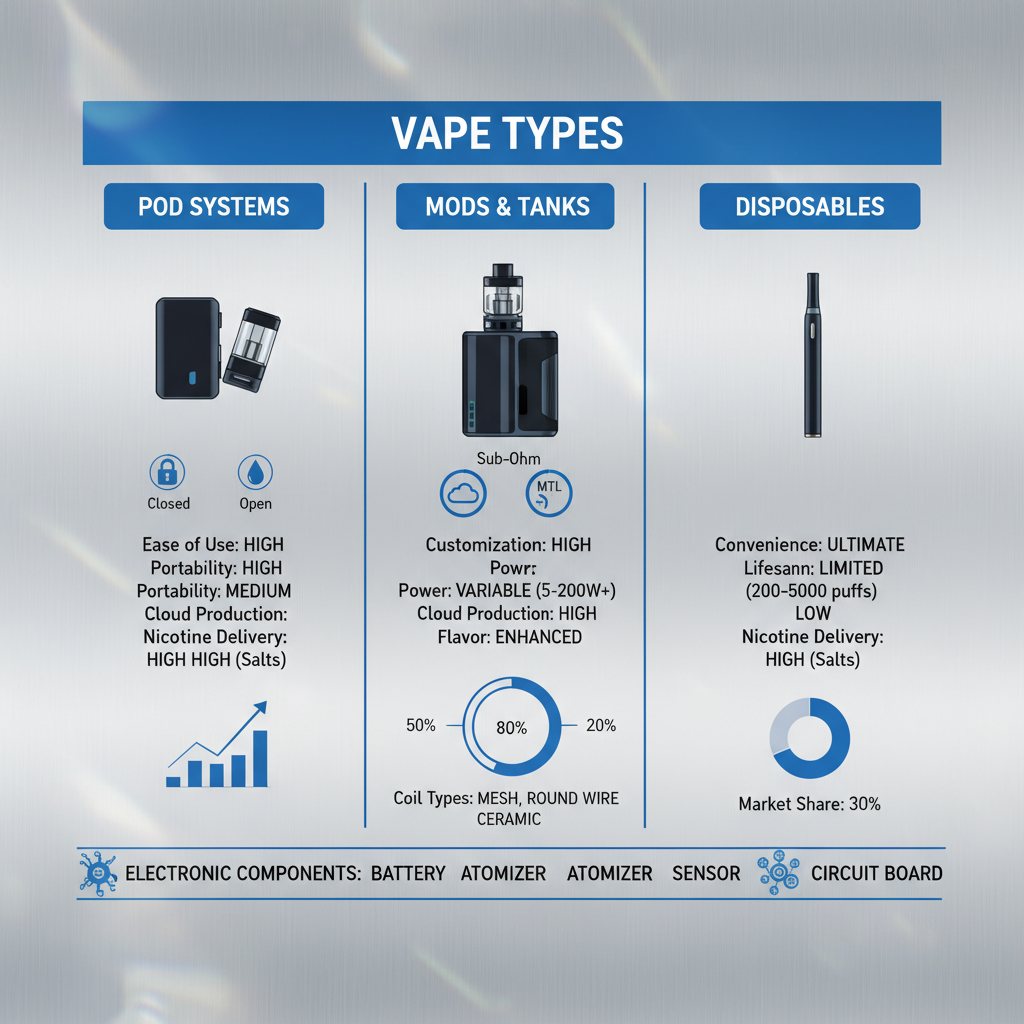
Successful procurement begins with understanding the technical architecture of the device. A high-quality electronic cigarette consists of a precise heating element, a reliable power source, and a durable chassis. When a buyer focuses on the 1:1 standard, they are looking for a product that mimics the original's material weight, tactile feel, and vapor production efficiency. This requires a supplier who doesn't just trade, but screens manufacturers based on material purity and assembly precision.
Beyond the hardware, the integration of the supply chain is what determines business agility. Having access to warehouses in strategic hubs—such as California, New Jersey, and Florida in the US, or Germany, Poland, and France in Europe—drastically reduces lead times and shipping costs. For a reseller, the ability to move goods quickly from a local warehouse means lower overhead and a faster return on investment, allowing them to respond to market trends in real-time.
The first indicator of a premium device is the chassis material. High-grade alloys and heat-resistant polymers ensure that the device remains comfortable during prolonged use and does not degrade under high temperatures. Resellers must verify that the materials used are the most cost-effective without sacrificing structural integrity, ensuring that the product feels substantial rather than plasticky.
The core value of 1:1 products lies in the convergence of material authenticity and functional reliability; when the internal circuitry matches the original specifications, the risk of failure drops, and the customer's perceived value increases exponentially.
Furthermore, battery efficiency and coil longevity are non-negotiable factors. A device that suffers from rapid battery drain or burnt coils will lead to high return rates. Professional sourcing involves testing the consistency of the heating element across multiple batches to ensure that every unit provides a stable experience, which is the only way to build a sustainable brand reputation in the competitive consumer electronics space.
Adopting a 1:1 quality standard allows a business to penetrate the market by offering a product that satisfies the most demanding users. By bridging the gap between expensive originals and low-quality replicas, resellers can capture a significant middle-market share. This strategy is particularly effective when combined with other high-quality items like premium Watches or designer Bags, creating a consistent brand image of "accessible luxury."
True profitability in the resale market is achieved not by finding the cheapest product, but by finding the most cost-effective product that maintains a premium quality threshold, thereby maximizing the profit margin per unit sold.
When the product quality is guaranteed, the reseller can focus on marketing and customer acquisition rather than troubleshooting defects. This shift in focus allows for more aggressive expansion and the ability to offer competitive warranties, which further builds trust. Ultimately, the reliance on screened suppliers ensures that the materials are the best available at that price point, securing long-term financial freedom for the entrepreneur.
Evaluating a supplier requires a multi-dimensional approach. It is not enough to look at the unit price; one must analyze the total cost of acquisition, which includes shipping speed, customs handling, and the defect rate. A supplier with local warehouses in Europe and the US may have a slightly different pricing structure but offers a massive advantage in liquidity and stock turnover.
By comparing the performance of various sourcing models, it becomes clear that the "Cost-Effective High-Quality" model outperforms the "Lowest Price" model. While the initial investment per unit is higher, the reduction in customer complaints and the increase in repeat purchases lead to a significantly higher lifetime value per customer.
The most successful application of this sourcing model is seen in "Lifestyle Bundling." For example, a reseller may pair an Electronic Cigarette with complementary products like Bluetooth Earbuds and high-end Sunglasses. This approach targets the modern urban consumer who values a cohesive aesthetic and functional convenience, increasing the average order value (AOV) through cross-selling across different consumer electronic categories.
Another effective scenario is the "Rapid Market Entry" strategy. By leveraging a partner with pre-existing warehouses in New Jersey or Germany, a new entrepreneur can launch a store without investing in their own logistics infrastructure. This lean approach minimizes risk and allows the business to scale based on actual demand, using fast transportation as a competitive edge against slower, overseas competitors.
The trajectory of the industry is moving toward higher integration and customization. We are likely to see a greater emphasis on the synergy between hardware and E-Liquid formulations. Future products will likely prioritize energy density and modularity, allowing users to replace specific components without discarding the entire device, which aligns with the growing global trend toward sustainability in consumer electronics.
From a business perspective, the shift is moving toward "Micro-Warehousing." As customers demand near-instant delivery, the reliance on fragmented, city-specific shipping points will grow. Companies that can maintain stock in multiple European and American hubs will dominate the market, as delivery speed becomes as important as product quality in the eyes of the modern consumer.
Finally, the integration of smarter control systems—potentially through app connectivity—will redefine the user experience. Resellers who stay ahead of these technical updates by following a supplier that constantly updates its product line will be better positioned to capture the next wave of market growth, ensuring their business remains relevant and profitable.
The primary challenge in the electronic cigarette trade is the volatility of shipping and customs. By utilizing a foreign trade company with established networks, resellers can bypass the complexities of international freight. Local shipping from hubs like California or Poland not only speeds up the process but also reduces the risk of seizure or damage during long-haul transit.
Another significant hurdle is maintaining a consistent profit margin amid fluctuating material costs. The solution lies in partnering with a company that screens countless options to find the most cost-effective supplier. This ensures that even when market prices shift, the reseller has a buffer, maintaining the profit margins necessary to achieve financial freedom.
Ultimately, the goal is to create a seamless pipeline from the factory to the end consumer. By focusing on product quality as the premise and putting the customer at the center, businesses can solve the common problems of reliability and availability, turning a simple trade into a scalable entrepreneurial dream.
| Metric | Low-Cost Sourcing | 1:1 Quality Sourcing | Original Brand Sourcing |
|---|---|---|---|
| Unit Cost | Very Low | Moderate | Very High |
| Profit Margin | Low (High Returns) | High (Stable) | Low (Competitive) |
| Shipping Speed | Slow (Overseas) | Fast (Local Hubs) | Variable |
| Customer Loyalty | Very Low | High | Very High |
| Defect Rate | High | Low | Very Low |
| Market Entry | Easy/Risky | Strategic | Difficult/Expensive |
1:1 quality refers to products that are manufactured to match the exact specifications, materials, and performance of the original brand. This includes the weight of the device, the quality of the internal circuitry, and the overall tactile feel. Sourcing 1:1 products allows resellers to provide a premium experience to their customers while maintaining a much more competitive price point than the original retail brands.
Local warehouses in cities like California, New Jersey, Florida, Germany, Poland, and France significantly reduce shipping times and costs. For a reseller, this means faster delivery to the end customer, which increases satisfaction and trust. Moreover, it improves your cash flow by reducing the amount of capital tied up in long-transit inventory and allows for more agile stock management based on real-time demand.
Yes, bundling is a highly effective strategy for increasing the average order value. Because the target audience for high-quality vape hardware often overlaps with consumers of other premium accessories—such as Bluetooth Headphones, designer Bags, and luxury Watches—you can create curated "lifestyle packages." This diversifies your revenue streams and positions your brand as a one-stop shop for high-end consumer electronics and fashion.
Cost-effectiveness is achieved through a rigorous screening process of multiple suppliers. The goal is to identify the manufacturer that provides the best materials at the lowest sustainable price point. By leveraging years of shipment experience and large-scale volume, a professional foreign trade company can negotiate prices that individual resellers cannot, passing those savings on to the client while maintaining a high quality threshold.
The primary risks include high defect rates, inconsistent product quality, and unreliable shipping timelines. Low-cost suppliers often use inferior materials that can lead to battery failure or poor vapor production, resulting in high return rates and damage to your brand reputation. Additionally, without local warehousing, you are exposed to customs delays and higher shipping costs, which can quickly erode your profit margins.
The most effective way to start is by identifying your target market and selecting a product range that fits that demographic. Once you have a plan, partner with a reliable foreign trade company that offers high-quality 1:1 products and local warehousing. By starting with a lean inventory and leveraging fast transportation, you can test the market, build a customer base, and scale your operations as you grow, eventually achieving financial freedom through strategic reselling.
Success in the modern consumer electronics market requires a delicate balance between quality, cost, and logistics. Sourcing high-fidelity electronic cigarettes is not merely about the transaction, but about establishing a reliable supply chain that guarantees a premium user experience. By focusing on 1:1 quality standards and utilizing strategic warehousing in the US and Europe, entrepreneurs can minimize operational risks and maximize their profit margins, turning a product line into a scalable business.
Whether you are looking to launch a new venture or expand an existing portfolio of luxury goods, the right partnership is the catalyst for growth. We invite you to explore our comprehensive range of cost-effective, high-quality products designed to support your entrepreneurial dreams. For more information on our sourcing capabilities and warehouse services, please visit www.sxzpodss.com and let us work together to achieve your financial goals.