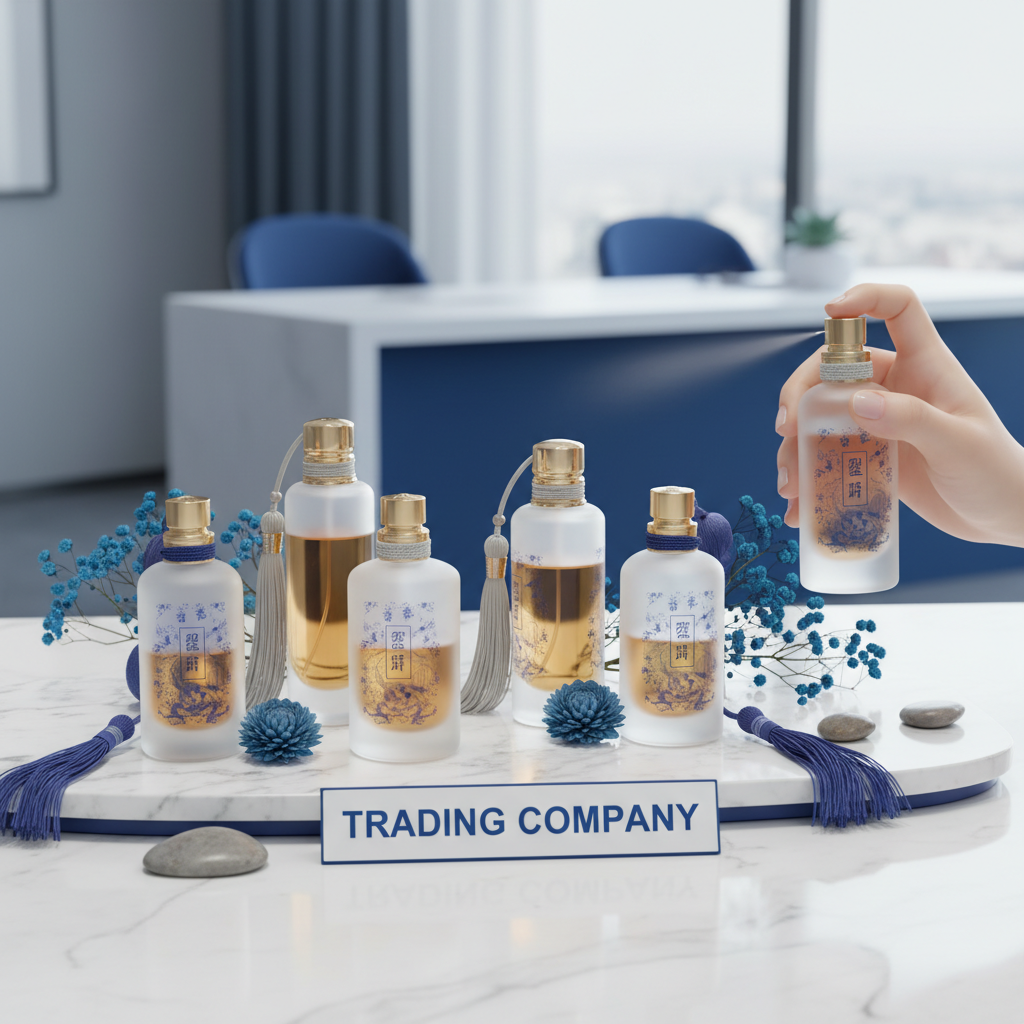
Traditional Chinese perfume, more than just a fragrance, is a cultural artifact steeped in centuries of history and artistry. It's a practice that reflects a deep connection to nature, philosophy, and a refined aesthetic sensibility. Understanding its nuances offers valuable insights not only into Chinese heritage but also into the evolving global fragrance industry, influencing modern perfumery with unique ingredients and techniques. The resurgence of interest in natural and holistic wellness globally has further amplified the appeal of these traditional scents.
For years, the West has dominated the perfume landscape, but a quiet revolution is brewing. Consumers are increasingly seeking authenticity, sustainability, and experiences that resonate with their values. Traditional Chinese perfume, with its emphasis on botanical ingredients and holistic balance, perfectly aligns with these desires. It's a niche market with enormous potential, and one that demands careful study and respect for its origins. It’s a compelling example of how ancient practices can offer innovative solutions in a modern world.
The importance of grasping the foundations of traditional Chinese perfume extends beyond mere appreciation; it’s relevant for entrepreneurs, perfumers, and cultural enthusiasts alike. It’s a world of subtle blends, symbolic ingredients, and a holistic approach to scent that contrasts sharply with the often-synthetic and aggressively marketed perfumes common today. This knowledge enables the development of authentic products, fosters cross-cultural understanding, and unlocks new avenues for innovation within the fragrance industry.
The Historical Development of traditional chinese perfume
The history of traditional Chinese perfume stretches back millennia, with evidence of fragrant practices dating to the Shang Dynasty (1600-1046 BC). Initially, fragrances were used primarily in religious ceremonies and to purify spaces. Over time, they evolved into a sophisticated art form, deeply intertwined with poetry, painting, and the refined lifestyle of the scholar-official class. It wasn’t about a bold ‘statement’ fragrance, but a subtle presence, a personal expression of inner cultivation.
The Silk Road played a crucial role, introducing new ingredients like sandalwood and musk, which were then skillfully blended with native botanicals such as plum blossom, osmanthus, and agarwood. During the Tang Dynasty (618-907 AD), perfume making reached its peak, with elaborate recipes and intricate methods of extraction. The imperial court fostered a culture of fragrance, further elevating the status and artistry of perfume creation. The focus shifted from purely religious use to personal adornment and social expression.
The Core Ingredients in traditional chinese perfume
Unlike many Western perfumes which rely heavily on synthetic compounds, traditional Chinese perfume is characterized by its use of natural ingredients, meticulously selected for their fragrance and medicinal properties. Key ingredients include agarwood (oud), known for its complex, woody aroma and believed to have calming effects; sandalwood, prized for its creamy, warm scent and spiritual significance; and osmanthus, a delicate floral scent often associated with autumn and poetry.
Plum blossom, a symbol of resilience and renewal, contributes a subtle, fruity fragrance. Other important ingredients include jasmine, rose, cinnamon, cloves, and various herbal extracts. The art lies not just in the individual ingredients but in their harmonious blending, creating layers of scent that unfold over time. A good traditional perfume isn’t a single note, it's a conversation.
The choice of ingredients wasn't arbitrary. Traditional Chinese Medicine (TCM) principles heavily influenced scent selection. Each scent was thought to correspond to specific meridians and organs, impacting mood and well-being. It was aromatherapy before the term existed, a holistic approach to fragrance.
Traditional Extraction Techniques
The methods used to extract fragrance from these precious ingredients are equally important. Traditional techniques include enfleurage – using fats to absorb the scent of delicate flowers – and steam distillation, though often adapted to suit the specific ingredient. Hydro-distillation, using water, was also commonly employed, particularly for floral essences. The goal was always to capture the purest essence of the plant, preserving its natural complexity.
A unique technique called ‘cold pressing’ was used for citrus fruits, extracting the zest oil without heat, preserving its bright, zesty fragrance. Another significant method involved maceration – soaking fragrant materials in oil or alcohol for extended periods, allowing the scent to slowly infuse. This process required patience and skill, often passed down through generations of perfumers. It wasn’t about speed, it was about quality.
These methods, while labor-intensive, resulted in perfumes with a depth and complexity that is difficult to replicate with modern techniques. The subtle nuances and layered aromas are a testament to the artistry and dedication of traditional Chinese perfumers. Understanding these processes helps appreciate the value and craftsmanship behind each bottle.
Symbolic Meaning and Application of traditional chinese perfume
Traditional Chinese perfume wasn’t simply about smelling good; it was deeply entwined with symbolism and social customs. Different fragrances were associated with different seasons, occasions, and even social status. For example, plum blossom scent was often worn during the Lunar New Year, symbolizing hope and renewal, while jasmine was favored during the summer months for its cooling properties.
Perfume was often applied to specific points on the body, believed to enhance its effects and create a subtle aura. Wrist points, behind the ears, and the neck were common application areas. The presentation of perfume as a gift was also significant, conveying respect, affection, and good wishes. It wasn't just a present; it was a gesture of refined taste and consideration.
Rating of Traditional Chinese Perfume Application Methods
Global Market Trends and Consumer Demand
The global fragrance market is undergoing a significant shift, with increasing demand for natural, sustainable, and ethically sourced products. This trend directly benefits traditional Chinese perfume, which inherently aligns with these values. Consumers are becoming more discerning, seeking authenticity and stories behind the brands they support.
There's a growing interest in Eastern philosophies and wellness practices, further driving demand for scents that promote balance and harmony. Niche perfume markets, which cater to specific preferences and offer unique experiences, are also thriving. This creates a perfect opportunity for traditional Chinese perfumes to carve out a dedicated niche.
Sustainability and Ethical Sourcing
Sustainability is no longer a luxury; it’s a necessity. Traditional Chinese perfume, with its reliance on natural ingredients, has a natural advantage in this area. However, it's crucial to ensure ethical sourcing practices, protecting endangered plant species and supporting local communities involved in cultivation and harvesting.
Transparency in the supply chain is also paramount. Consumers want to know where their ingredients come from and how they are produced. Adopting sustainable packaging solutions and minimizing environmental impact throughout the entire production process are essential for long-term success. This isn't about 'greenwashing,' it's about building a responsible and resilient brand.
The use of innovative, sustainable extraction methods, while preserving the integrity of the fragrance, is becoming increasingly important. This could involve exploring alternative solvents or optimizing existing techniques to minimize waste and energy consumption.
Future Innovations and Challenges
The future of traditional Chinese perfume lies in blending ancient wisdom with modern innovation. Exploring new extraction techniques, such as supercritical CO2 extraction, can yield higher-quality essences while minimizing environmental impact. Combining traditional formulations with contemporary fragrance notes can create unique and appealing scents for a wider audience.
One major challenge is preserving the authenticity of these ancient traditions while adapting to modern consumer preferences. Maintaining the delicate balance between tradition and innovation is key. Another challenge is scaling production while upholding ethical sourcing and sustainability standards.
Digital marketing and storytelling will be crucial in reaching a global audience. Educating consumers about the history, symbolism, and benefits of traditional Chinese perfume will be essential for building brand awareness and fostering appreciation.
Summary of Challenges and Potential Solutions for Traditional Chinese Perfume
| Challenge |
Impact on Perfume Quality |
Potential Solution |
Implementation Cost (1-10) |
| Sourcing Rare Ingredients |
Compromised fragrance profile, increased cost |
Sustainable cultivation programs, ingredient substitution with similar profiles |
7 |
| Maintaining Traditional Extraction Methods |
Labor-intensive, low yield, inconsistent quality |
Optimized traditional methods, combined with modern techniques (e.g., CO2 extraction) |
6 |
| Scaling Production |
Loss of quality control, potential for adulteration |
Strategic partnerships with local artisans, investment in modern infrastructure |
8 |
| Educating Consumers |
Limited market awareness, price sensitivity |
Targeted marketing campaigns, storytelling, educational workshops |
5 |
| Protecting Intellectual Property |
Counterfeiting, loss of brand identity |
Trademarking traditional formulas, building brand reputation |
4 |
| Navigating Regulatory Compliance |
Export restrictions, ingredient limitations |
Collaboration with regulatory bodies, adherence to international standards |
7 |
FAQS
Traditional Chinese perfume prioritizes natural ingredients and holistic balance, often incorporating scents believed to have medicinal properties and aligned with Traditional Chinese Medicine. Western perfumes frequently rely on synthetic compounds and focus on strong, impactful scent profiles. The Chinese approach emphasizes subtlety, layering, and a connection to nature, creating a more nuanced and personal experience. It's not just about smelling 'good,' it's about well-being.
Generally, yes, traditional Chinese perfumes are often a better choice for those with sensitive skin due to their use of natural ingredients and absence of harsh chemicals. However, it’s always advisable to perform a patch test before applying any new fragrance, even natural ones, to rule out any potential allergic reactions. Certain essential oils, while natural, can still cause irritation for some individuals.
The longevity of traditional Chinese perfumes can vary depending on the ingredients and extraction methods used. Generally, they tend to have a more subtle and lasting scent compared to heavily synthetic Western perfumes. The scents evolve gradually over time, rather than disappearing abruptly. Applying to pulse points and layering can also extend the fragrance’s duration.
To preserve the quality and fragrance of traditional Chinese perfume, it's best to store it in a cool, dark, and dry place, away from direct sunlight and extreme temperatures. The original packaging is ideal, as it's designed to protect the perfume from light and air. Avoid shaking the bottle vigorously, as this can alter the fragrance composition.
Finding authentic traditional Chinese perfumes can be challenging. Look for reputable retailers specializing in natural and artisan fragrances. Research the brand and ensure they prioritize ethical sourcing and traditional production methods. Online marketplaces may offer options, but verify the seller’s credibility and product authenticity before making a purchase. You can also search for specialty shops that specialize in traditional chinese perfume.
Many traditional Chinese perfume makers prioritize ethical practices and do not test on animals. However, it's important to check the brand's specific cruelty-free policy. Look for certifications like Leaping Bunny or PETA to ensure the product is truly cruelty-free. Supporting brands committed to ethical and sustainable practices is crucial.
Conclusion
Traditional Chinese perfume represents a rich cultural heritage and offers a unique approach to fragrance. Its emphasis on natural ingredients, holistic balance, and symbolic meaning resonates with a growing global demand for authenticity and well-being. By embracing sustainable practices and fostering innovation, this ancient art form has the potential to thrive in the modern world.
Looking ahead, the future of traditional Chinese perfume lies in responsible innovation, transparent sourcing, and effective storytelling. By educating consumers about its history, artistry, and benefits, we can unlock its full potential and share its beauty with the world. We invite you to explore the captivating world of traditional Chinese fragrance – visit our website at www.sxzpods.com to learn more.