0%

Table of Contents

The global fragrance industry is a multi-billion dollar market, experiencing consistent growth driven by consumer demand for personal care and luxury goods. At the heart of this industry lies the crucial role of the oem perfume manufacturer. These manufacturers don't just produce scents; they are innovators in formulation, packaging, and supply chain management, enabling brands – both large and emerging – to bring their olfactory visions to life. Understanding the intricacies of oem perfume manufacturing is vital for anyone looking to enter or navigate this dynamic sector.

The rise of niche perfume brands and personalized fragrance experiences has increased the demand for flexible and responsive oem perfume manufacturers. Companies capable of handling smaller batch sizes, unique formulations, and rapid turnaround times are becoming increasingly valuable. This shift presents both opportunities and challenges, requiring manufacturers to invest in advanced technologies and skilled personnel. The efficiency and expertise of an oem perfume manufacturer directly impacts a brand's ability to compete and innovate.

Furthermore, sustainability and ethical sourcing are becoming paramount concerns for consumers, putting pressure on manufacturers to adopt responsible practices. From utilizing eco-friendly ingredients to minimizing waste and ensuring fair labor standards, the modern oem perfume manufacturer must prioritize environmental and social responsibility alongside product quality and cost-effectiveness.
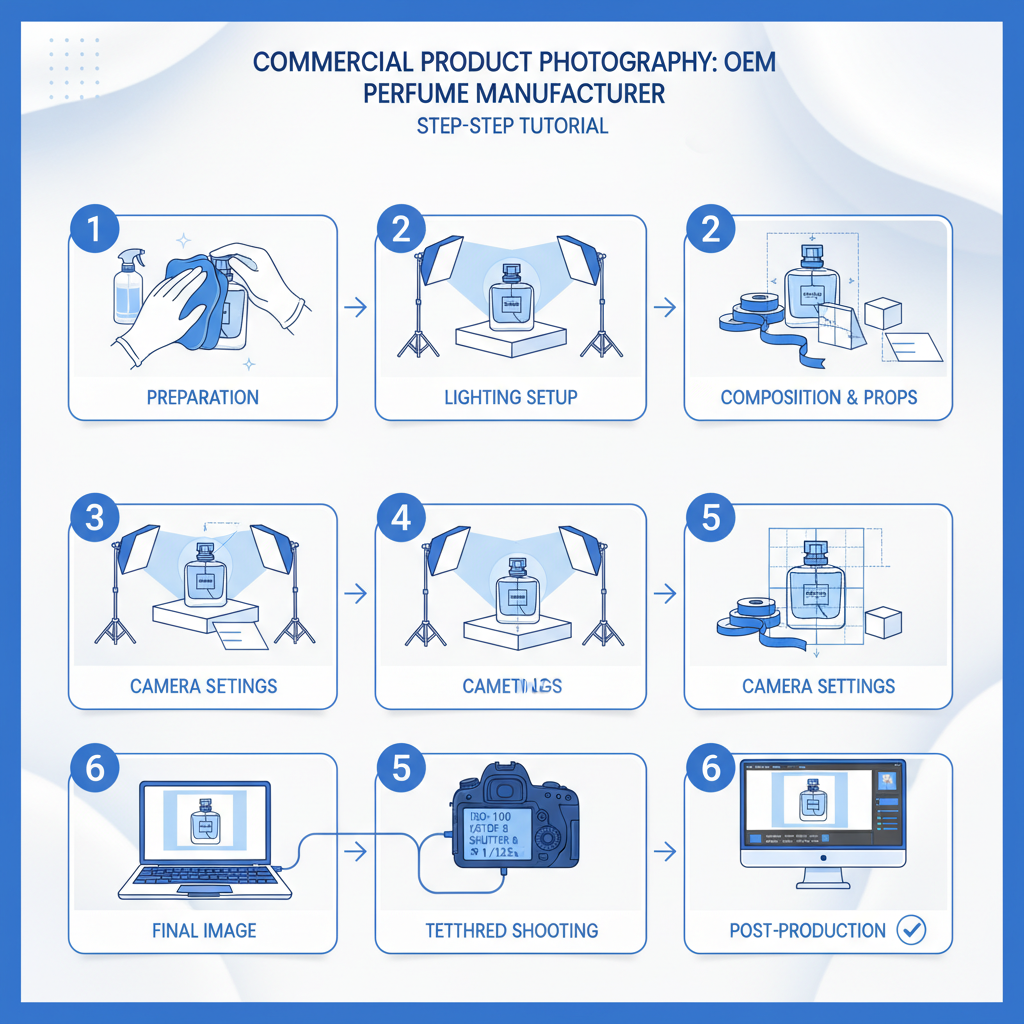
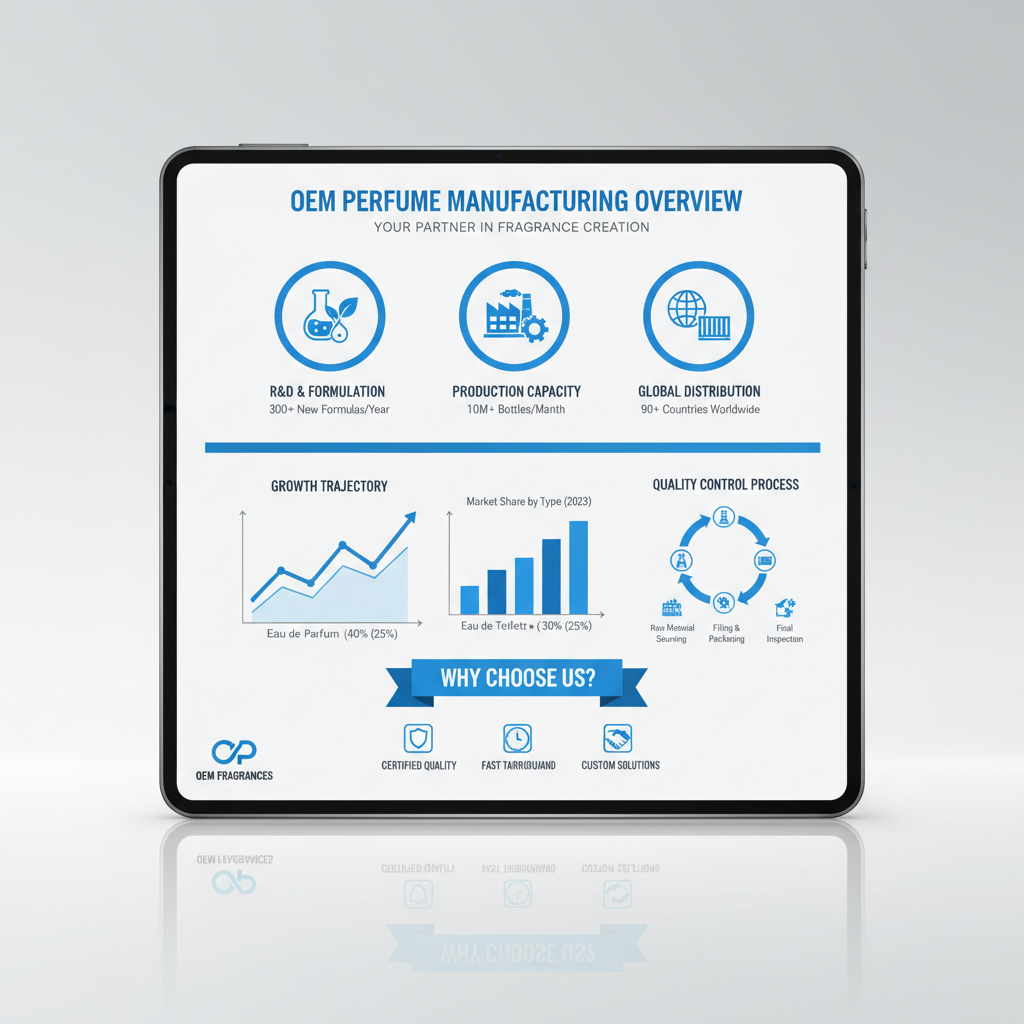
Exploring the Vital Role of an oem perfume manufacturer in the Fragrance Industry

The Core Role of oem perfume manufacturer

Exploring the Vital Role of an oem perfume manufacturer in the Fragrance Industry

The primary function of an oem perfume manufacturer is to produce fragrances on behalf of other brands. This encompasses the entire process, from sourcing raw materials and formulating scents to manufacturing, filling, packaging, and quality control. They act as a crucial extension of a brand’s capabilities, allowing them to focus on marketing, sales, and brand building.

Essentially, they provide a complete turnkey solution for fragrance creation, enabling brands to launch products without the need for significant internal infrastructure or specialized expertise. This is particularly valuable for smaller brands or those entering the fragrance market for the first time.

Defining oem perfume manufacturer

An oem perfume manufacturer, or Original Equipment Manufacturer, specializes in the design, development, and production of fragrances for other companies. Unlike brands that create their own perfumes in-house, these manufacturers operate as contract producers. They possess the technical expertise, specialized equipment, and sourcing networks to handle the complex process of perfume creation.

This definition extends beyond simply mixing oils; it involves understanding fragrance chemistry, regulatory compliance (such as IFRA standards), packaging design, and efficient supply chain management. A skilled oem perfume manufacturer is a strategic partner, capable of translating a brand’s vision into a tangible product.

The connection to modern industry is strong, as globalization and the demand for diverse product offerings have increased the reliance on oem manufacturing. This allows brands to focus on their core competencies – marketing, branding, and customer engagement – while leaving the intricacies of production to specialized experts.

Key Characteristics of a Successful oem perfume manufacturer

A truly successful oem perfume manufacturer exhibits several key characteristics. First, a deep understanding of fragrance trends and consumer preferences is crucial. They must be able to anticipate market demands and offer innovative scent profiles.

Secondly, stringent quality control measures are paramount. Ensuring consistent fragrance quality, adhering to safety regulations, and maintaining product integrity are non-negotiable. Third, flexibility and responsiveness are vital. The ability to accommodate varying batch sizes, custom formulations, and tight deadlines is essential for serving a diverse clientele.

Finally, a commitment to sustainability and ethical sourcing is becoming increasingly important. Consumers are demanding transparency and accountability, and manufacturers must prioritize responsible practices throughout their supply chain.

Core Components Driving oem perfume manufacturer Excellence

Several core components contribute to the excellence of an oem perfume manufacturer. One is their raw material sourcing network, securing high-quality ingredients at competitive prices. Another is their formulation expertise, including perfumers who can create unique and appealing scents.

Equally important is their manufacturing infrastructure, ensuring efficient production, precise filling, and secure packaging. Finally, a robust quality control system, encompassing every stage of the process, is critical for maintaining product consistency and safety.

oem perfume manufacturer Component Performance


Global Applications and Industry Impact

oem perfume manufacturers serve a wide range of industries, from high-end luxury brands to mass-market retailers. They provide fragrance solutions for perfumes, colognes, body sprays, air fresheners, candles, and various personal care products. Their impact spans across continents, supporting the global fragrance market.

In Europe, manufacturers cater to the established luxury perfume houses, focusing on high-quality ingredients and bespoke formulations. In North America, they serve both large corporations and emerging indie brands, often emphasizing fast turnaround times and cost-effectiveness. Asian manufacturers are becoming increasingly competitive, offering scale and innovation.

These manufacturers are also vital to the growth of direct-to-consumer (DTC) fragrance brands, providing the flexibility and scalability needed to meet the demands of online retail.

The Advantages of Partnering with an oem perfume manufacturer

Partnering with an oem perfume manufacturer offers numerous advantages. It significantly reduces capital expenditure, eliminating the need for investment in expensive equipment and facilities. It also provides access to specialized expertise and a skilled workforce.

Furthermore, it allows brands to focus on their core competencies – marketing, sales, and brand building – while leveraging the manufacturer’s expertise in production and logistics. This collaboration results in faster time-to-market, increased efficiency, and improved product quality.

Future Trends in oem perfume manufacturer

The future of oem perfume manufacturing is being shaped by several key trends. Sustainable sourcing and eco-friendly packaging are gaining prominence, driven by consumer demand and regulatory pressures. Digitalization and automation are enhancing efficiency and precision in formulation and production.

Personalization and customization are also becoming increasingly important, with manufacturers offering bespoke fragrance creation services and smaller batch sizes. The use of biotechnology and novel ingredients is opening up new possibilities for scent creation.

Finally, traceability and transparency throughout the supply chain are becoming essential, ensuring ethical sourcing and product integrity.

FAQS

What is the minimum order quantity (MOQ) for an oem perfume manufacturer?

MOQs vary significantly between manufacturers. Generally, they range from 500 to 5,000 units per fragrance, but some specialized manufacturers may accommodate smaller runs for a premium. Factors influencing MOQ include the complexity of the fragrance, packaging requirements, and the manufacturer’s production capacity. Thoroughly discussing MOQ with potential partners is crucial for alignment.

What are the typical lead times for fragrance development and production?

Fragrance development typically takes 4-8 weeks, encompassing concept creation, sampling, and refinement. Production lead times vary based on order volume and complexity, ranging from 6-12 weeks for standard orders. Rush orders may be possible but often incur additional costs. Effective project management and clear communication with the oem perfume manufacturer are key to adhering to timelines.

Can an oem perfume manufacturer help with fragrance regulatory compliance?

Reputable oem perfume manufacturers have a strong understanding of fragrance regulations (e.g., IFRA standards, REACH compliance) and can provide guidance on ensuring your products meet all necessary requirements. They should be able to provide Safety Data Sheets (SDS) and Certificates of Analysis (COA) for all formulations. Always verify their compliance capabilities before engaging in a partnership.

What are the cost considerations when working with an oem perfume manufacturer?

Costs typically include fragrance formulation fees, raw material costs, manufacturing charges, packaging expenses, and quality control costs. Pricing is influenced by factors like scent complexity, ingredient quality, and order volume. Request detailed cost breakdowns and compare quotes from multiple manufacturers to ensure transparency and competitive pricing.

What types of packaging options are available through an oem perfume manufacturer?

oem perfume manufacturers offer a wide range of packaging options, including glass bottles, plastic bottles, spray atomizers, caps, and outer packaging (boxes, cartons). They can provide standard packaging solutions or assist with custom designs. Consider factors like aesthetics, functionality, sustainability, and cost when selecting packaging.

How do I protect my fragrance formula when working with a manufacturer?

A Non-Disclosure Agreement (NDA) is essential for protecting your fragrance formula. Ensure the oem perfume manufacturer is willing to sign a comprehensive NDA outlining confidentiality obligations. Consider including clauses addressing intellectual property ownership and potential disputes. A strong legal agreement is crucial for safeguarding your proprietary information.

Conclusion

In conclusion, the oem perfume manufacturer plays a pivotal role in the global fragrance industry. By providing specialized expertise, efficient production capabilities, and flexible solutions, they empower brands to innovate and succeed in a competitive market. Understanding the key characteristics, core components, and future trends of this sector is crucial for anyone looking to launch or expand a fragrance business.

Looking ahead, collaboration and sustainability will be paramount. Brands and manufacturers must work together to develop innovative, eco-friendly fragrances that meet the evolving demands of conscious consumers. Investing in digitalization, automation, and ethical sourcing practices will be essential for long-term success in the dynamic world of fragrance.

Brian Wilson

Brian Wilson

Brian Wilson is our Customer Support Lead, responsible for providing exceptional service and building strong customer relationships. He has been with the company since 2021, and is known for his dedication to resolving customer issues quickly and efficiently. Brian oversees a team of support representatives, ensuring they are equipped with
Previous Exploring the Growth and Opportunities in Oil Based Perfume Wholesale
Next Comprehensive Guide to Miniature Perfume Suppliers and Market Trends