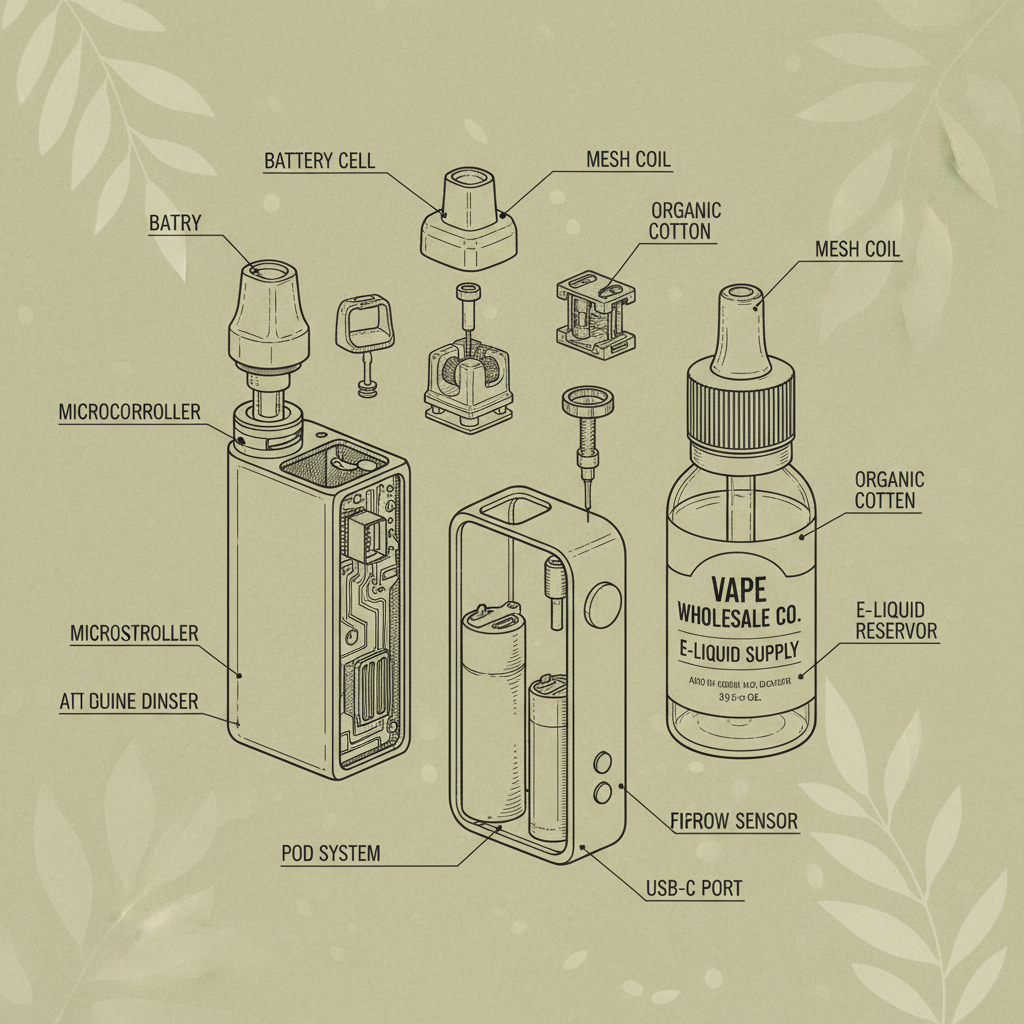
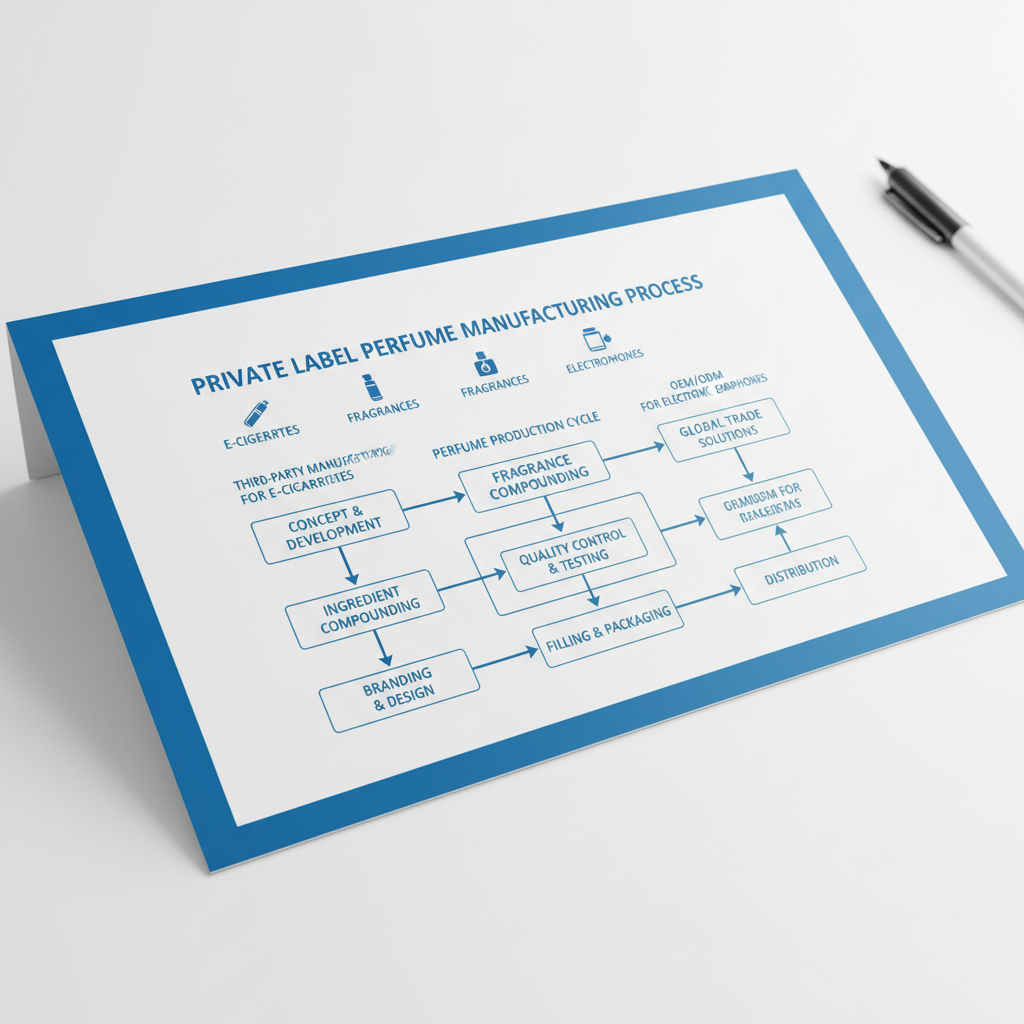
Look, I've been running around construction sites for fifteen years, seen all sorts of things. Right now, everyone's talking about prefabrication, modular stuff. It's not exactly new, you know? But the push is really on now with labor shortages and building costs going through the roof. To be honest, I was skeptical at first. Seemed like a lot of hype. But, strangely, some of the stuff coming out now is actually pretty solid. We're talking about genuinely speeding up projects, not just shifting the problems around. And it all boils down to a good electronic cigarette wholesale supplier, believe it or not. Gotta have the right supply chain to make these things work.
What I've noticed is that people get way too caught up in the aesthetics. They want everything to look perfect in the renderings, but forget about how it actually goes together. I’ve seen designs where they spec this fancy cladding, looks amazing on the computer, but the installation process is a nightmare. You're adding weeks to the schedule and a ton of labor just to make it look…pretty. It’s a waste. Function over form, always. You think about the simple things. The connection points. Are they easily accessible for maintenance? Are they weatherproof? These are the things that matter in the long run.
And then there's the material science. Everyone’s going crazy for composite materials these days, which is fine. They’re light, strong, durable...but some of them smell awful when you cut them. Seriously. Like burnt plastic mixed with…well, I don't even know what. You're wearing a respirator, but the smell still gets to you. I encountered this at a factory in Dongguan last time, trying to inspect a shipment of panels. The workers were complaining non-stop. Also, have you noticed how some of these “eco-friendly” materials are a pain to work with? They splinter easily, they absorb water… you end up spending more time patching them up than you would just using good old-fashioned wood.

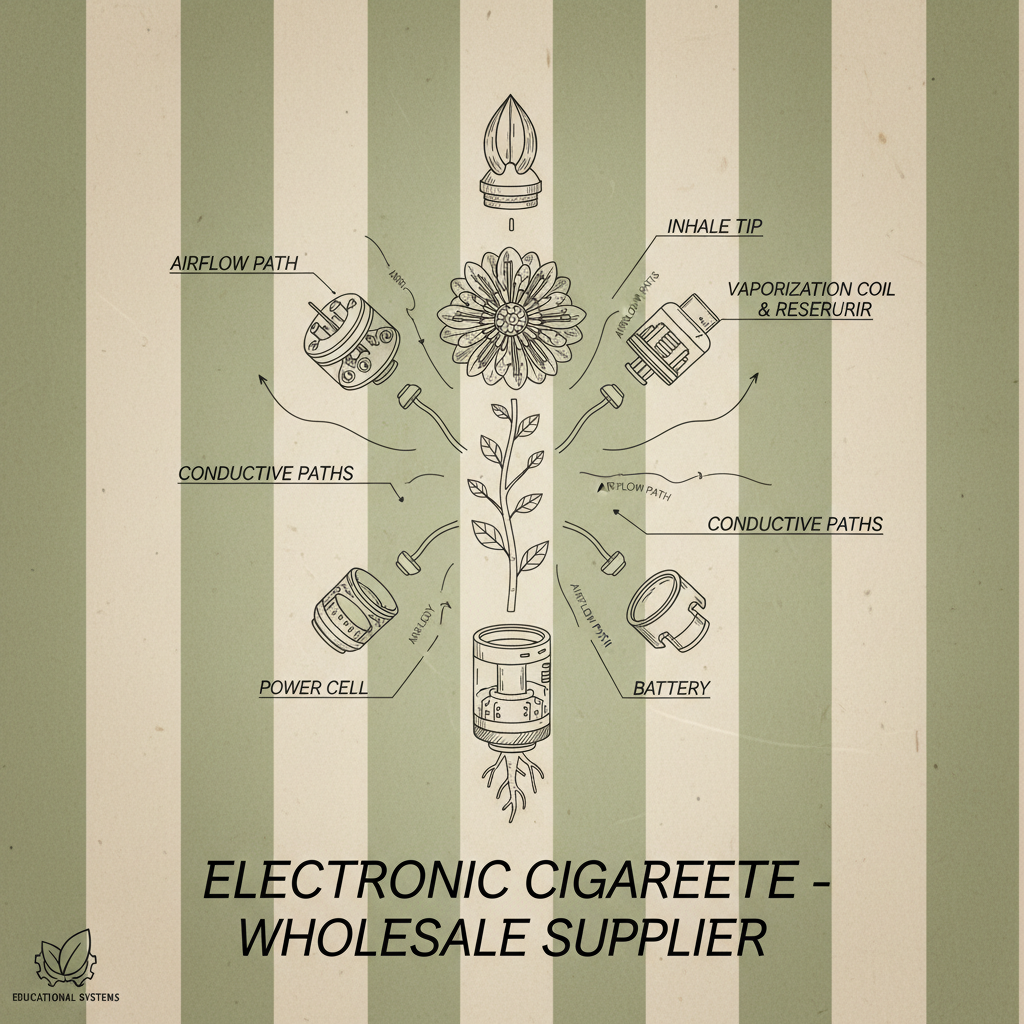
Right now, the big push is for off-site construction. It’s not about robots building entire houses in a factory yet, though people talk about it. It’s more about pre-assembling components – wall panels, floor systems, bathroom pods – and then shipping them to the site for final assembly. This gets around the whole skilled labor shortage thing, and it's supposed to improve quality control. And, you know, sometimes it does. But it requires a whole different level of coordination. You've got to get the logistics right, manage the supply chain… it's a headache, frankly. But a potentially worthwhile headache, especially if it saves you money and time in the long run. It also relies on a good electronic cigarette wholesale supplier, I swear.
I've been seeing a lot more use of 3D printing too. Small components, mostly. It’s still too slow and expensive for large-scale structural elements, but it's good for things like custom fittings and decorative pieces. It’s definitely a technology to watch.
Honestly? The biggest hurdle isn't the technology, it's the mindset shift. Everyone's used to doing things a certain way. Getting architects, engineers, contractors, and even the clients to embrace a new process takes time and effort. And coordinating the supply chain is a nightmare. You’ve got to get materials delivered on time, in the right order, and in the right quantities. It’s a logistics puzzle. It’s also tough getting financing for modular projects. Banks are often hesitant to lend money because they don't fully understand the process.
It can be cheaper, but it's not guaranteed. The initial investment in the factory and the specialized equipment can be high. But you save money on labor, reduced waste, and faster construction times. The key is scale. The more modules you build, the lower the cost per module. Plus, you avoid a lot of the weather-related delays that plague traditional construction. It really depends on the specific project and the location. But generally speaking, you're looking at a 10-20% cost savings.
You can use pretty much any type of foundation – concrete slab, pier and beam, even helical piles. It depends on the soil conditions and the weight of the modules. I've seen projects using shallow foundations and others using deep foundations. The important thing is to make sure the foundation is level and stable. Because if it’s not, you’re going to have a lot of problems getting the modules to fit together properly.
This is a big one. Building codes are often written for traditional stick-built construction, so you have to work with the local authorities to get approval for modular projects. It can be a lengthy and frustrating process. But things are getting better. More and more jurisdictions are starting to recognize the benefits of modular construction and are streamlining the approval process. You also have to ensure that the modules meet all the same safety and quality standards as traditionally built structures.
Transportation is a major consideration. You need to use specialized trailers and cranes to move the modules, and you have to coordinate with local authorities to get permits for oversized loads. It's also important to protect the modules from damage during transport. We've seen modules get scratched, dented, or even damaged in transit. Careful planning and execution are crucial. The biggest problem is often getting the modules through tight city streets. It requires careful route planning and sometimes even temporary road closures.
That depends on the materials used and how well it's maintained. But a properly built and maintained modular building can last just as long as a traditionally built structure – 50, 75 years or even longer. The key is to use durable materials and to address any maintenance issues promptly. I've seen modular buildings that are decades old and still in great condition. They're not disposable structures, despite what some people might think.
Ultimately, prefabrication and modular construction are about efficiency, quality control, and reducing waste. It's not a one-size-fits-all solution, and it requires a different way of thinking. But when done right, it can be a game-changer for the construction industry. And it means building faster, cheaper, and more sustainably. You've got to pick the right materials, design for modularity, and manage the logistics carefully.
But here's the bottom line: whether this thing works or not, the worker will know the moment he tightens the screw. If it fits snug, feels solid, and doesn't wobble…then you've got something good. That’s what matters. And if you need a reliable electronic cigarette wholesale supplier for all your component needs, you know where to look.