To be honest, things have been moving fast in the wholesale e-cigarette supply game lately. It's not just about pods anymore, you know? Everyone's chasing that next big thing - disposable vapes, bigger batteries, more complicated airflow systems. I've been seeing a lot of manufacturers trying to cram too much tech into these things, making them unreliable and a pain to service. It always seems like they're designing in the office, not on a factory floor.
Have you noticed how many companies are using cheap plastic for the cartridges? It looks okay at first, but it gets brittle in the heat and cracks easily. I encountered this at a factory in Shenzhen last time, they were trying to cut costs. Turns out, flimsy plastic means more returns, more headaches, and ultimately, more money lost.
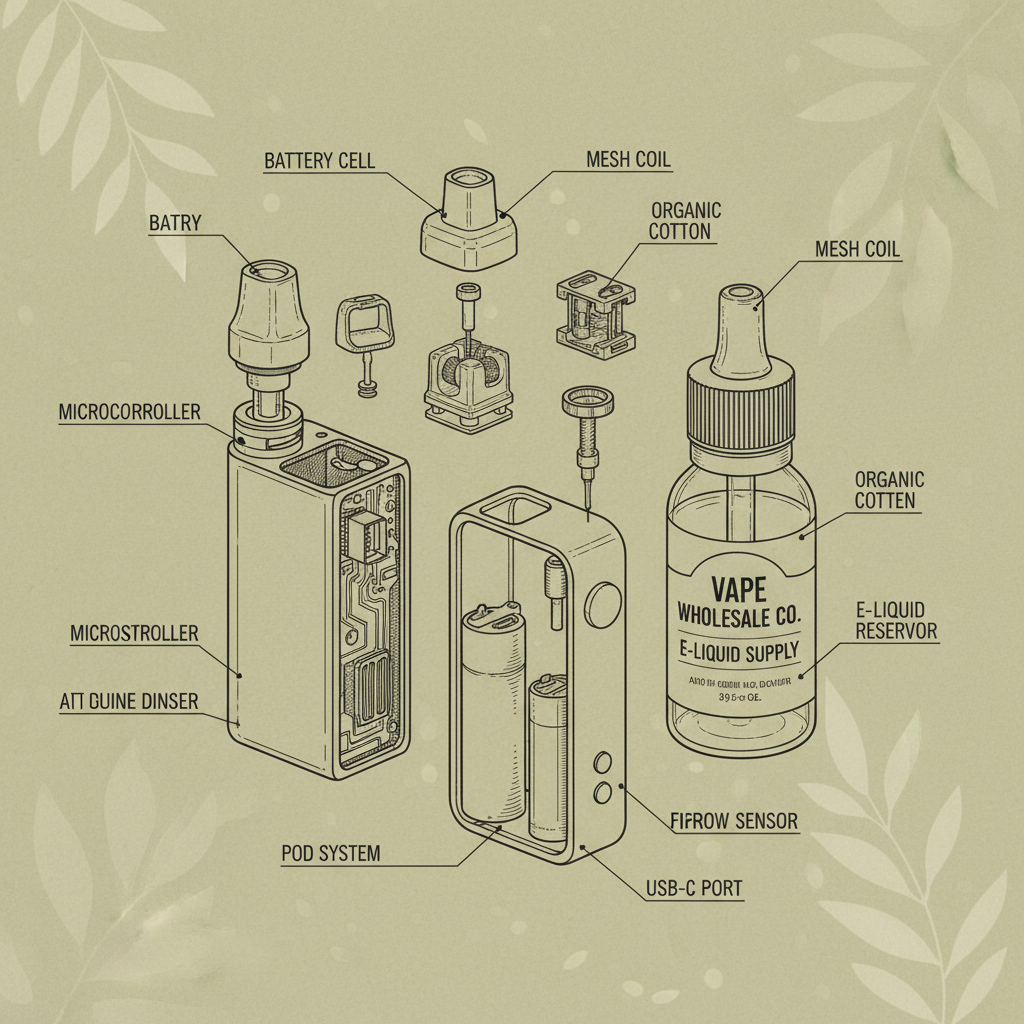
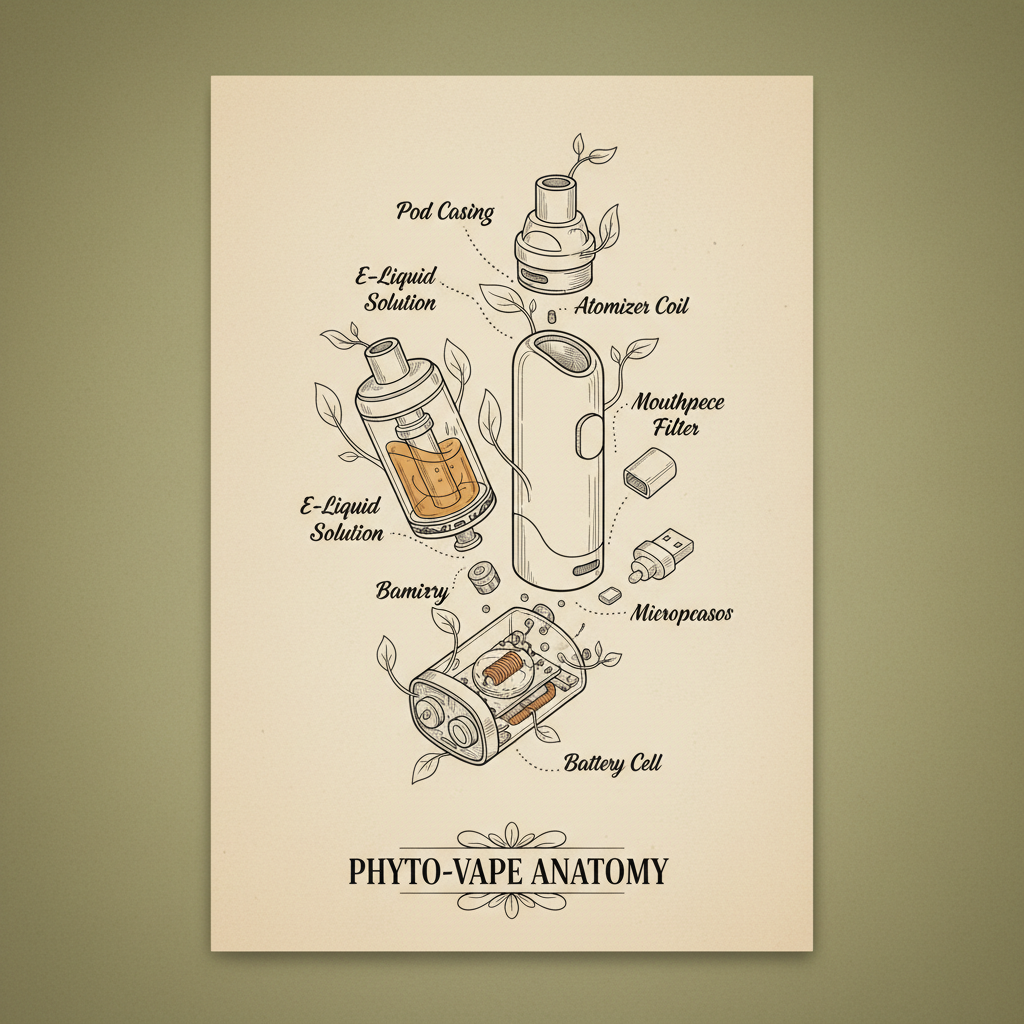
And speaking of materials, the coil heads… that’s where it gets interesting. Most use Kanthal or Nichrome, standard stuff. Kanthal’s got that slightly metallic smell when it heats up, and it's pretty durable. Nichrome is a little quicker to heat, but feels more fragile. You can tell a good coil head just by the weight and how tightly the wick is packed. Honestly, a lot of places skimp on the wicking material.
Industry Trends and Design Pitfalls
Strangely, everyone's obsessed with airflow control now. I mean, it’s good to have options, but some of these designs are just… over-engineered. Too many tiny holes, difficult to clean, and prone to clogging. Simple is often better, especially when you're dealing with sticky e-liquid.
Another thing – magnetic connections. They're convenient, sure, but I’ve seen way too many instances of magnets coming loose or demagnetizing over time. It's a real pain when the pod just falls off mid-vape. People underestimate the daily wear and tear. Anyway, I think a solid screw-on connection is still the most reliable, even if it's a little less flashy.
Materials and Hands-On Experience
The polycarbonate used in some pod bodies feels cheap, really cheap. It scratches easily and doesn’t have a good grip. I prefer the stuff that’s got a little bit of texture to it. For the mouthpieces, you really want something heat-resistant and smooth. Delrin is good, but it can sometimes get a slightly chemical smell. The higher-end stuff uses PEEK – it’s expensive, but it feels solid and stays cool.
Battery casings? Aluminum alloy is the standard, but the quality varies wildly. Some alloys feel flimsy, while others have a nice weight to them. You can tell a good alloy by how easily it dissipates heat. It shouldn’t get uncomfortably hot to hold after prolonged use.
And don’t even get me started on the silicone o-rings. They’re crucial for sealing everything up, but they’re often overlooked. A cheap o-ring will harden and crack quickly, leading to leaks. You need a good quality, food-grade silicone.
Testing and Real-World Usage
Lab testing is all well and good, but it doesn’t tell you much about how a product will actually perform. I like to see things get dropped, splashed with liquid, and left in hot cars. That’s the real test.
We do leak tests, of course – fill the pod, shake it vigorously, and see if anything comes out. But I also like to leave a filled pod in my pocket for a day or two and see if it leaks when I pull it out. It's simple, but effective.
You know, users don’t always use things as intended. Some people overload their pods, others drop them constantly, and some even try to disassemble them. You have to design for the worst-case scenarios.
Advantages, Disadvantages, and Customization
The biggest advantage of these wholesale supplies is the sheer variety. You can get pretty much anything you need, in any quantity. The downside? Quality control is a constant battle. You really have to vet your suppliers.
Customization is definitely possible. We had a client last year who wanted a pod system with a custom airflow design. They were trying to get a specific throat hit, and they needed a very precise airflow restriction. It took a lot of prototyping, but we eventually got it right. You can also customize the colors, logos, and packaging, of course.
e cigarette wholesale supplies Performance Metrics
Customer Story: Shenzhen Smart Home Boss
Last month, that small boss in Shenzhen who makes smart home devices insisted on changing the interface to on his vape pods. He said it was “future-proof” and “more convenient.” I tried to tell him that people just want something that works, and Micro-USB is perfectly fine, but he wouldn’t listen.
He ran a whole batch with the connectors, and the result was… a nightmare. The connectors were unreliable, the charging speed was slower, and customers were complaining constantly. He ended up having to scrap the whole batch and switch back to Micro-USB. It cost him a fortune. Later… Forget it, I won’t mention how much he lost.
Material Comparison Table
Key Material Properties for e cigarette wholesale supplies
| Material |
Cost (USD/kg) |
Durability (1-10) |
Heat Resistance (°C) |
| Polycarbonate |
$5 |
6 |
100 |
| Aluminum Alloy |
$15 |
8 |
300 |
| PEEK |
$50 |
10 |
350 |
| Food-Grade Silicone |
$3 |
7 |
200 |
| Kanthal |
$10 |
9 |
800 |
| Nichrome |
$8 |
7 |
700 |
The Final Tightening of the Screw
Ultimately, it all boils down to reliability and consistency. You can have the fanciest features and the coolest design, but if the pod leaks, the coil burns out quickly, or the battery dies after a few uses, nobody’s going to be happy. e cigarette wholesale supplies are a complex beast, and there’s a lot that can go wrong.
And at the end of the day, the worker on the production line, the one tightening the screws and checking the seals, he’s the one who knows whether it’s going to work or not. All the engineering and design in the world don't matter if it doesn't feel solid in his hand. That’s the truth of it.