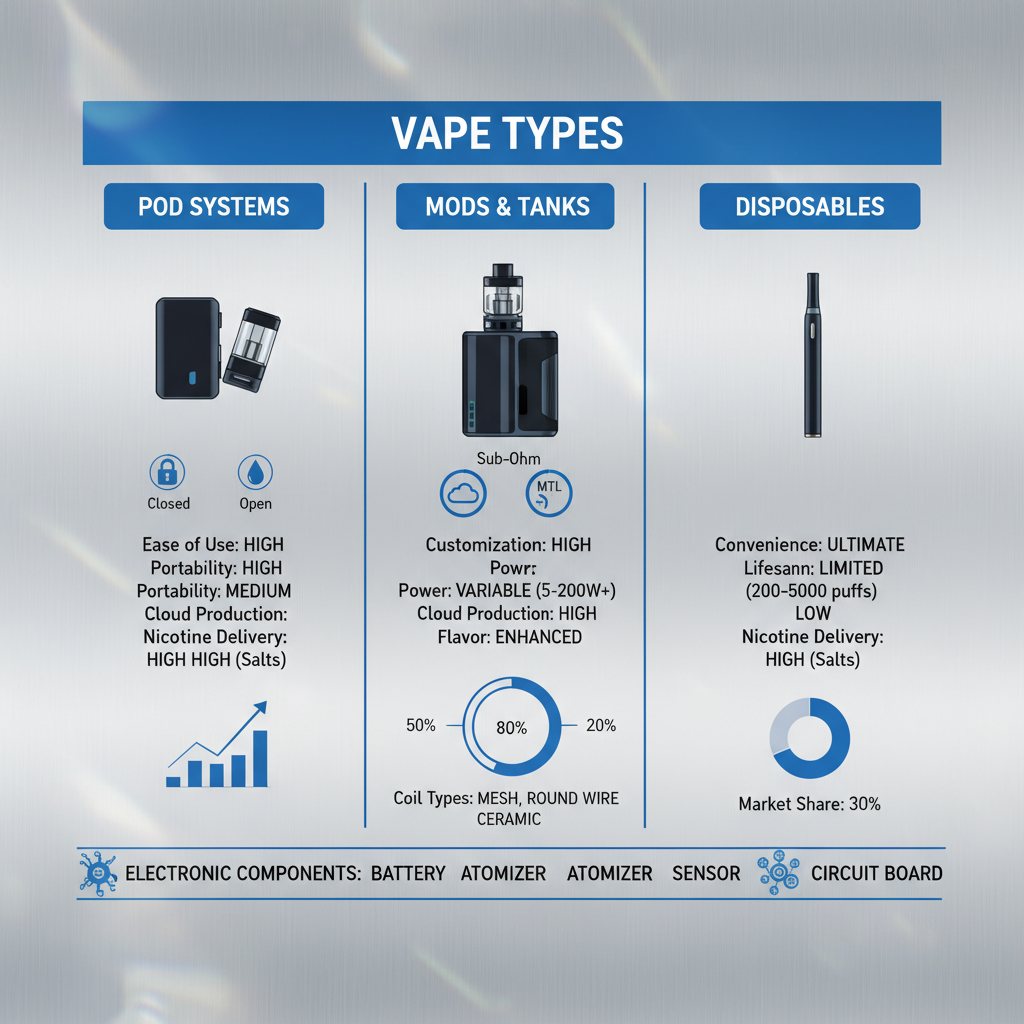
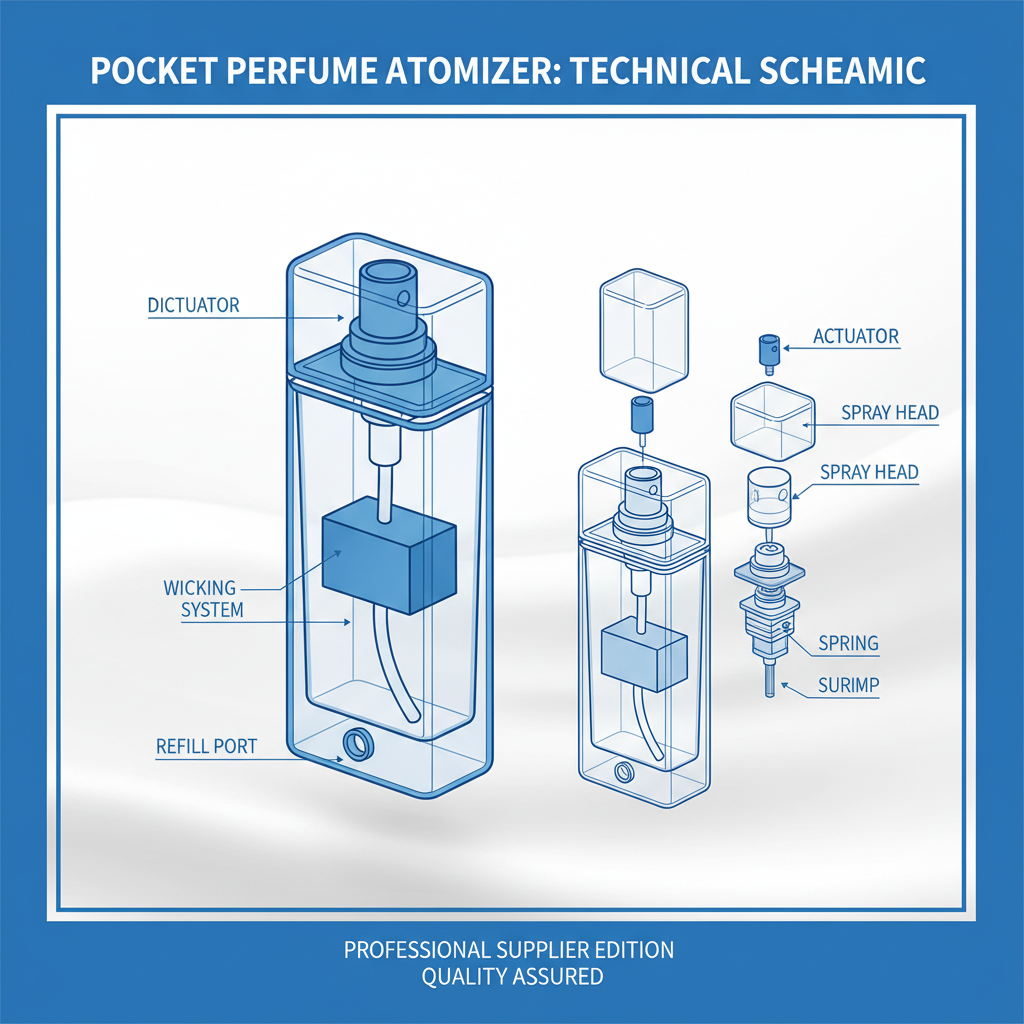
The global supply chain for specialty goods has seen a significant shift toward diversification, where the role of electronic cigarette suppliers has become a focal point for distributors seeking a balance between innovative hardware and compliant consumables. As markets evolve, the demand for reliable procurement partners who can navigate complex international regulations while maintaining high quality standards has never been higher.
Understanding the operational dynamics of electronic cigarette suppliers is essential for businesses looking to scale their inventory without compromising on safety or performance. From the precision of atomizer engineering to the purity of e-liquid formulations, the technical proficiency of a supplier directly impacts the end-user experience and the commercial viability of the product line.
While the industry is vast, focusing on the intersection of luxury craftsmanship and technical utility allows brands to stand out. For those seeking premium procurement options, partnering with experienced electronic cigarette suppliers ensures a steady flow of innovative products that meet the rigorous demands of the modern consumer.
Global Impact of Electronic Cigarette Suppliers
The influence of electronic cigarette suppliers extends far beyond simple manufacturing; they are the architects of a global ecosystem that bridges the gap between chemical engineering and consumer electronics. By implementing ISO-certified production lines, these suppliers ensure that the transition from raw materials to finished products is seamless and safe.
As trade volumes increase, the strategic positioning of these suppliers allows for reduced lead times and more competitive pricing. This logistical efficiency is critical for maintaining market share in a fast-paced environment where consumer preferences shift rapidly toward newer technology and sleeker designs.
Defining the Role of Electronic Cigarette Suppliers
At its core, electronic cigarette suppliers are entities specialized in the sourcing, assembly, and distribution of vaping hardware and consumables. They act as the primary link between the research and development phase—where coil efficiency and battery safety are tested—and the retail shelves where the consumer interacts with the brand.
Beyond logistics, these suppliers often provide critical educational support and technical documentation. This ensures that wholesalers and retailers understand the nuances of the products, from the wattage settings of a mod to the nicotine concentration of an e-liquid, thereby reducing consumer errors and increasing satisfaction.
In the modern industrial context, the role has evolved into a holistic partnership. Suppliers no longer just ship boxes; they offer OEM and ODM services, allowing brands to customize their aesthetic and functional requirements, effectively merging the world of industrial manufacturing with high-end consumer branding.
Core Components of Supplier Excellence
Quality control remains the most critical factor when evaluating electronic cigarette suppliers. A rigorous testing protocol—covering everything from leak-proof pod designs to the stability of the battery—is what separates industry leaders from low-cost alternatives.
Scalability is another pillar of success for electronic cigarette suppliers. The ability to ramp up production during peak seasons or launch new product lines rapidly allows their partners to capture emerging trends without facing stockouts or prolonged delays.
Finally, regulatory compliance is non-negotiable. The best electronic cigarette suppliers stay ahead of TPD, FDA, and other regional mandates, ensuring that all products are correctly labeled and formulated, thus protecting the buyer from legal liabilities and customs seizures.
Practical Applications and Market Integration
In real-world applications, the integration of high-tier supply chains allows for the deployment of specialized product lines tailored to specific demographics. For instance, some regions prioritize discreet, sleek designs for urban professionals, while others demand high-power devices for enthusiasts.
The effectiveness of this integration can be measured by the reliability and performance ratings of different sourcing methods. By analyzing the efficiency of various vendor types, businesses can optimize their procurement strategies for maximum ROI.
Performance Analysis of Electronic Cigarette Suppliers Methods
Long-Term Value and Sustainability
The long-term value provided by top-tier electronic cigarette suppliers is found in their commitment to sustainability and innovation. As the world moves toward a circular economy, suppliers are now investing in biodegradable materials for pods and recyclable battery components to reduce the environmental footprint of the industry.
Beyond the environmental aspect, there is a logical and emotional value in trust. A reliable supplier provides peace of mind, knowing that every batch of product is consistent in quality. This stability allows brands to build a loyal customer base, transforming a simple transaction into a lasting commercial relationship.
Future Innovations in Supply Chains
Digital transformation is currently reshaping how electronic cigarette suppliers interact with their clients. The implementation of AI-driven demand forecasting allows suppliers to predict inventory needs with pinpoint accuracy, virtually eliminating the risk of overproduction or shortage.
Furthermore, automation in the assembly process is leading to a new era of precision. Robotic integration ensures that the tolerance levels in coil winding and casing fit are tighter than ever before, resulting in devices that are more durable and leak-resistant.
We are also seeing a shift toward "Green Chemistry" in the formulation of liquids. Future suppliers will likely prioritize organic ingredients and sustainable nicotine extraction methods, aligning the industry with global health and environmental standards.
Overcoming Industry Challenges
Despite the growth, the industry faces significant hurdles, particularly regarding fragmented international laws. Many electronic cigarette suppliers struggle with varying tax structures and import restrictions that can stall shipments and increase costs for the final retailer.
The solution lies in the adoption of transparent, blockchain-based tracking systems. By providing an immutable record of a product's journey from the factory to the warehouse, suppliers can simplify the customs clearance process and prove compliance with local laws instantly.
Expert insights suggest that moving toward a hybrid sourcing model—combining global scale with local distribution hubs—is the most effective way to mitigate risk. This strategy ensures that supply chains remain resilient even in the face of geopolitical instability or shipping crises.
Analysis of Supplier Performance and Risk Mitigation
| Supplier Category |
Quality Consistency |
Regulatory Compliance |
Lead Time (Days) |
| Tier 1 Global |
Very High (9.5) |
Fully Certified |
15-25 |
| Regional Specialists |
High (8.0) |
Regionally Certified |
7-14 |
| OEM Custom Shops |
Medium (7.0) |
Variable |
30-60 |
| Budget Wholesalers |
Low (5.0) |
Partial |
10-20 |
| Innovative Startups |
Medium (6.5) |
In Progress |
20-40 |
| Eco-Focused Vendors |
High (8.5) |
Fully Certified |
20-30 |
FAQS
To verify quality, request a detailed factory audit report and a list of certifications such as ISO 9001 or CE/RoHS. Ordering samples for a rigorous "stress test"—checking for leaks, battery longevity, and flavor consistency—is also essential before committing to a large-scale order.
Lead times typically range from 15 to 45 days. Standard stock items move faster (15-20 days), while custom OEM designs requiring unique molds or colors can take 45 to 60 days. Freight methods (Air vs. Sea) also significantly impact the final delivery date.
Top-tier suppliers are generally compliant, as they target the European market. However, it is the buyer's responsibility to confirm that the specific batch adheres to tank capacity limits and nicotine strength caps. Always ask for a compliance certificate for each SKU.
Yes, many suppliers offer "Low Minimum Order Quantities" (Low MOQ) to support growing businesses. While the unit price may be slightly higher than for bulk orders, it allows smaller retailers to test the market without excessive financial risk.
Professional suppliers provide a warranty period, usually ranging from 3% to 10% for defective units. They typically handle this by providing free replacement units in the next shipment or issuing a credit note based on photographic evidence of the defect.
OEM (Original Equipment Manufacturer) suppliers build a product based on your specific design and blueprints. ODM (Original Design Manufacturer) suppliers provide pre-designed products that you can "white label" with your own branding and minor color adjustments.
Conclusion
The success of any venture in the vaping industry is fundamentally tied to the reliability and technical capability of its electronic cigarette suppliers. By prioritizing quality control, regulatory adherence, and sustainable practices, businesses can build a resilient supply chain that not only survives market volatility but thrives through innovation and trust.
Looking forward, the shift toward digital integration and eco-friendly manufacturing will define the next generation of market leaders. We encourage distributors to seek partners who view the relationship as a strategic alliance rather than a simple transaction. To explore high-quality procurement options, visit our website: www.sxzpods.com.