The global market for fragrances is a multi-billion dollar industry, with an increasing demand for convenient and portable options. This demand has fueled the growth of pocket perfume suppliers, businesses specializing in the production and distribution of miniature, travel-friendly perfume bottles and atomizers. Understanding the nuances of this supply chain – from raw material sourcing to final product delivery – is crucial for businesses looking to enter this competitive market, as well as consumers seeking quality and value. Pocket perfume suppliers play a vital role in enabling accessibility to luxury and everyday fragrances for a wider audience.
The rise of pocket perfumes isn’t simply a trend; it's a response to evolving lifestyles. Consumers are increasingly mobile and value convenience, leading to a greater preference for smaller, easily transportable fragrance solutions. This shift presents significant opportunities for pocket perfume suppliers who can adapt to changing consumer preferences and deliver innovative products. The industry also faces challenges related to sustainability, packaging, and maintaining fragrance quality in smaller formats.
This demand is further bolstered by the growing travel and tourism industries, as well as a desire for personalized fragrance experiences. Effective pocket perfume suppliers prioritize quality, innovation, and reliable service, navigating complex supply chains and evolving regulatory landscapes to meet the diverse needs of a global customer base. The sector’s growth is indicative of broader trends in the beauty and personal care industries, highlighting the importance of portability and personalization.
Introduction to Pocket Perfume Suppliers
Pocket perfume suppliers are the backbone of the travel-size fragrance market. They specialize in sourcing, manufacturing, and distributing miniature perfume bottles, atomizers, and associated components to a diverse clientele, including cosmetic companies, retailers, and directly to consumers. Their role extends beyond simply providing containers; many suppliers offer complete packaging solutions, including bottle design, filling services, and labeling.
The quality of these suppliers is critical. Fragrance is a highly sensitive product, and maintaining the integrity of the scent requires specialized materials and careful handling. Reliable pocket perfume suppliers understand the chemical interactions between fragrance compounds and container materials, ensuring product stability and longevity. They also stay abreast of evolving regulations regarding packaging and transportation of flammable liquids.
Defining Pocket Perfume Suppliers
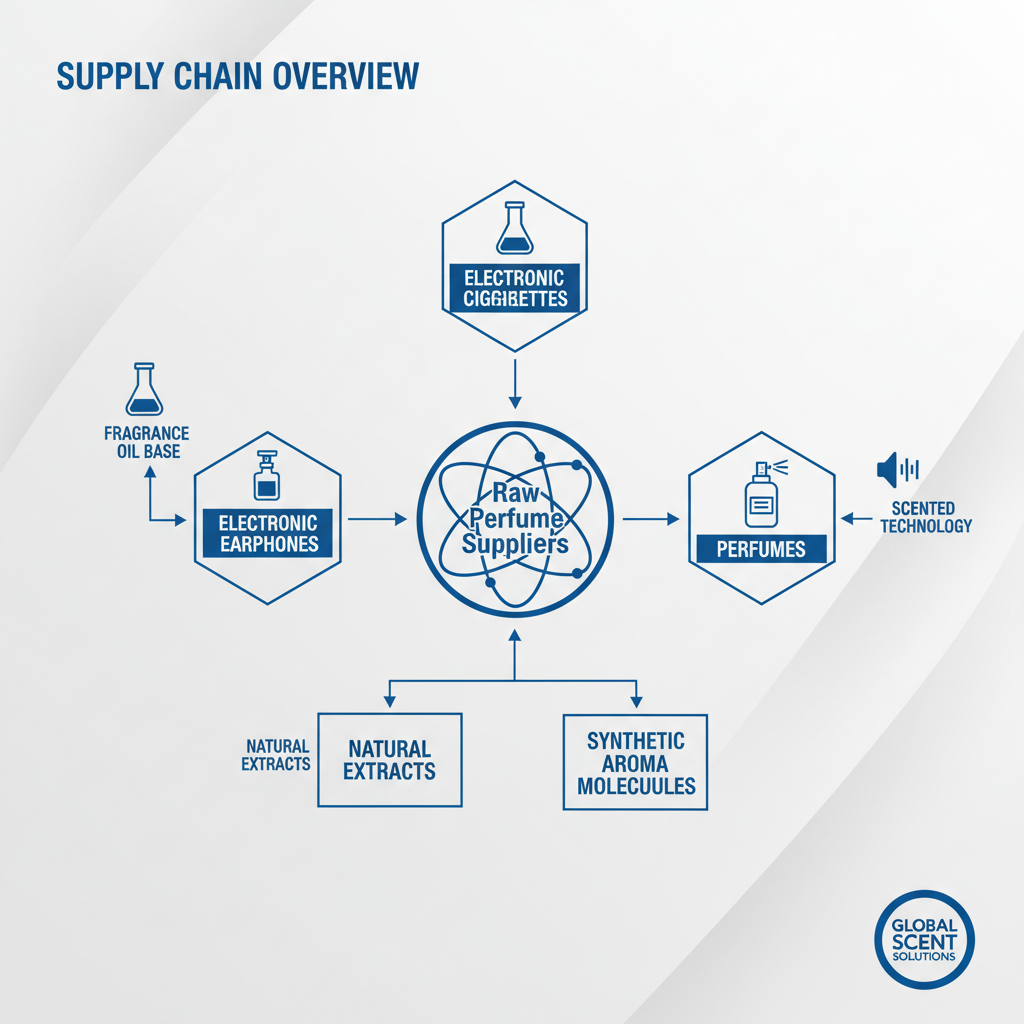
Pocket perfume suppliers can be broadly defined as businesses engaged in the supply chain of small-volume fragrance containers and related services. This encompasses a wide range of activities, from the manufacture of glass or plastic bottles and atomizers to the provision of filling, labeling, and packaging solutions. These suppliers serve as a crucial link between fragrance manufacturers and end consumers.
They distinguish themselves from traditional perfume packaging suppliers by focusing specifically on miniaturization and portability. This often requires specialized equipment and expertise in handling small volumes with precision. Their connection to modern lifestyles is undeniable, facilitating fragrance use on-the-go.
The relevance to modern industry extends beyond convenience; pocket perfume suppliers also support sampling and trial sizes, enabling consumers to test fragrances before committing to full-size purchases. This reduces waste and enhances the customer experience. Furthermore, they contribute to the growth of personalized fragrance offerings, allowing consumers to create custom blends in smaller, travel-friendly formats.
Core Components of Successful Pocket Perfume Suppliers
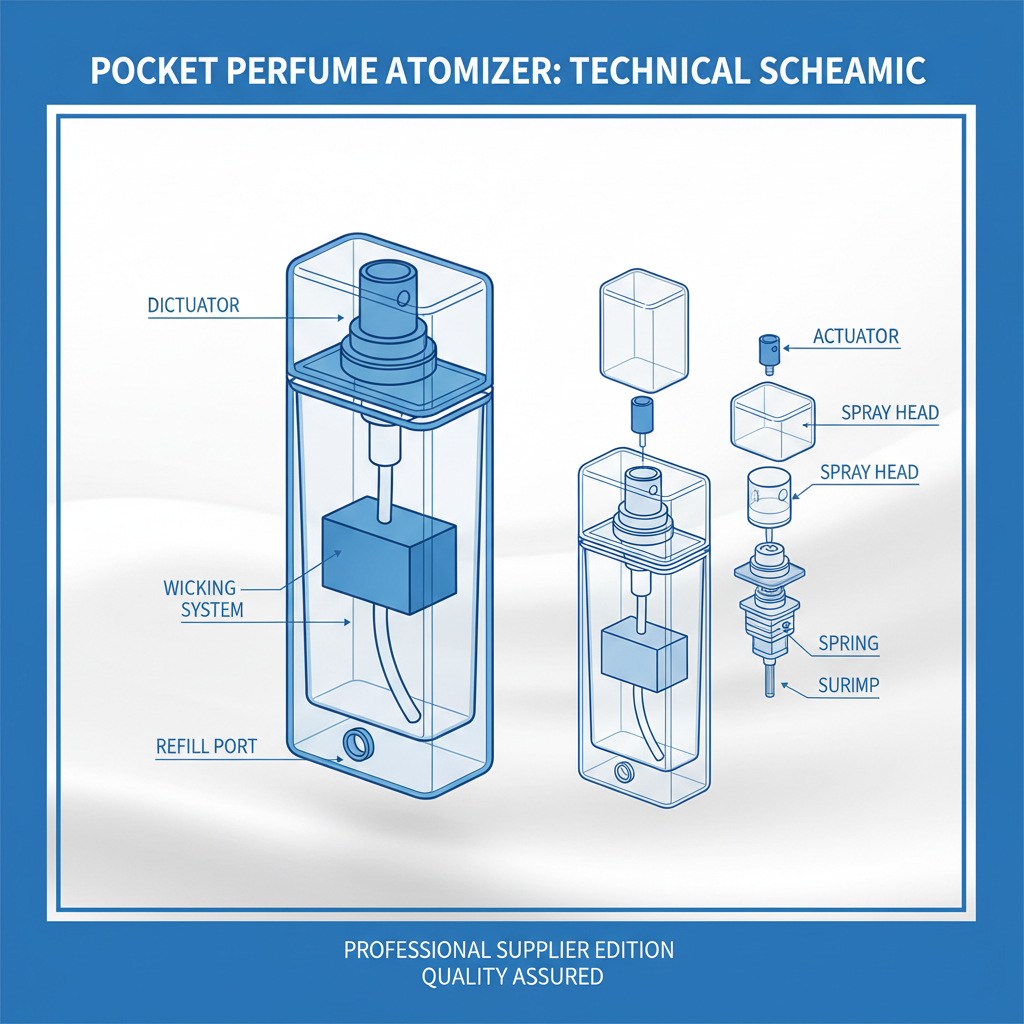
Several key components define successful pocket perfume suppliers. First, Material Quality is paramount. Using high-grade glass, durable plastics, and leak-proof atomizer mechanisms ensures product integrity and prevents spillage. Second, Customization Capabilities are essential. Clients often require specific bottle shapes, colors, and labeling options to align with their branding. Third, Production Capacity & Scalability allow suppliers to meet fluctuating demand, handling both small batch orders and large-scale production runs.
Fourth, Regulatory Compliance is non-negotiable. Suppliers must adhere to strict safety standards related to the packaging and transportation of flammable liquids, including certifications and documentation. Fifth, Efficient Logistics & Supply Chain Management ensures timely delivery of products to clients worldwide. Finally, Competitive Pricing is vital, balancing quality with affordability to attract and retain customers.
These components directly impact practical applications. For example, high-quality materials prevent fragrance degradation, ensuring a consistent scent experience. Customization allows brands to build brand recognition, and scalability ensures they can meet peak seasonal demand. Efficient logistics reduce lead times and minimize disruptions in the supply chain.
Global Applications and Use Cases
Pocket perfume suppliers serve a wide range of applications across diverse industries. In the cosmetics industry, they provide miniature packaging for perfume samples, travel sets, and gift sets. The travel and hospitality sector utilizes them for in-room amenities and airline travel kits. Retailers leverage them for promotional giveaways and loyalty programs.
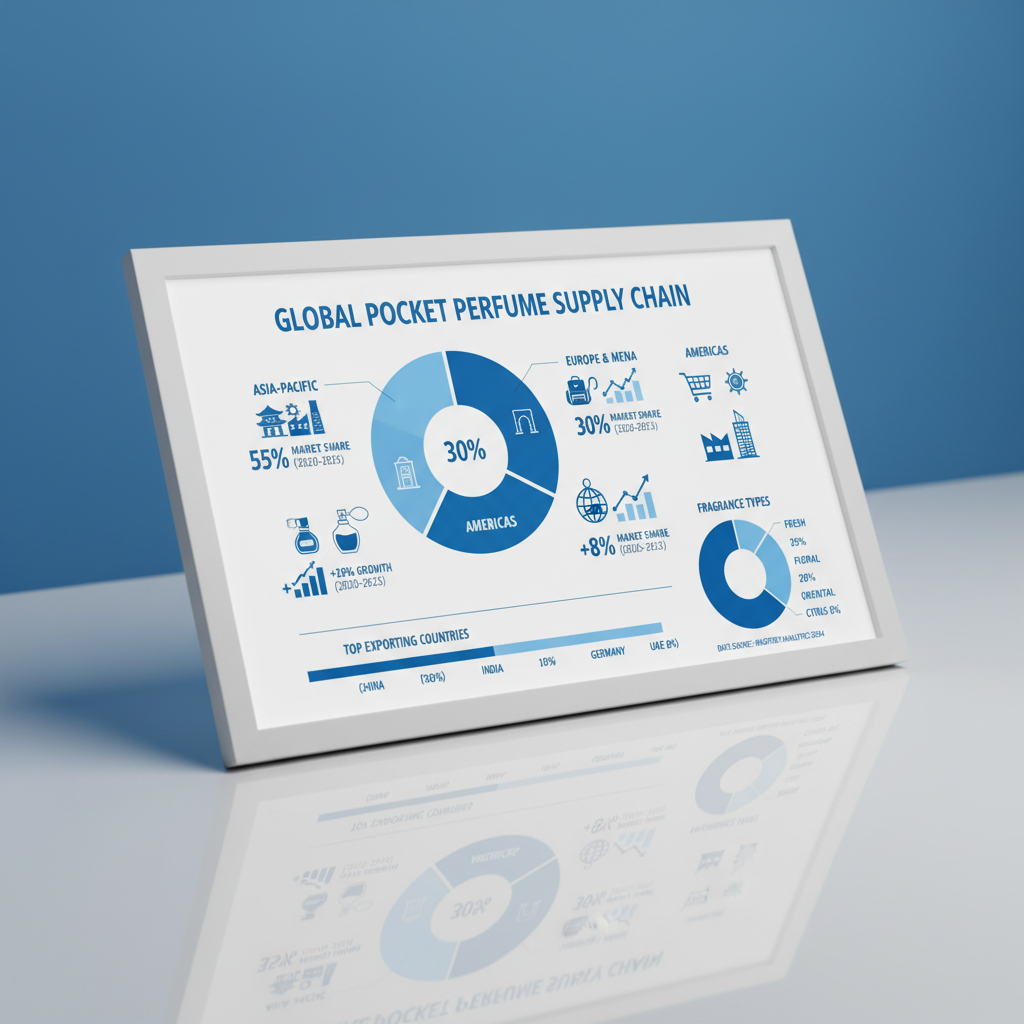
Geographically, demand is strong in North America and Europe, driven by a mature fragrance market and a high disposable income. However, emerging markets in Asia-Pacific, particularly China and India, are experiencing rapid growth due to increasing consumer awareness and disposable income. In post-disaster relief operations, small, sealed fragrance vials can offer a small measure of comfort and normalcy.
Furthermore, in remote industrial zones where access to larger fragrance bottles might be restricted, pocket perfume suppliers offer a convenient and safe alternative for workers. The rise of e-commerce has also created new opportunities for suppliers to directly reach consumers worldwide, bypassing traditional retail channels.
Pocket Perfume Supplier Performance Metrics
Advantages and Long-Term Value
The advantages of partnering with reliable pocket perfume suppliers are substantial. Cost-effectively, smaller packaging requires less material, potentially reducing production costs compared to full-size bottles. Sustainability benefits arise from reduced material usage and lighter shipping weights. The convenience factor enhances customer satisfaction and brand loyalty.
From a social impact perspective, offering affordable, travel-sized fragrances democratizes access to luxury and personal care. Emotionally, a familiar scent can provide comfort and boost confidence. Logically, consistent product quality and reliable delivery build trust and strengthen brand reputation. The long-term value lies in cultivating customer relationships and fostering brand advocacy.
Future Trends and Innovations
The future of pocket perfume suppliers will be shaped by several key trends. Sustainable materials, such as bio-plastics and recycled glass, are gaining traction. Digital transformation, including automated filling lines and real-time inventory management, is improving efficiency. Personalized fragrance options, enabled by micro-batch production and digital scent blending, are becoming increasingly popular.
Smart packaging incorporating NFC tags or QR codes will allow consumers to access product information, authenticity verification, and even virtual fragrance experiences. The development of refillable and reusable atomizer systems will further reduce waste and promote sustainability. Furthermore, stricter regulations regarding chemical safety and packaging materials will drive innovation in material science and design.
Challenges and Solutions for Pocket Perfume Suppliers
Pocket perfume suppliers face challenges such as maintaining fragrance quality in smaller volumes, ensuring leak-proof packaging, and navigating complex supply chains. Cost pressures and increasing competition also pose significant hurdles. Maintaining consistent quality control can also be difficult with small-batch production.
Solutions include investing in advanced filling technologies that minimize air exposure, utilizing high-precision sealing mechanisms, and diversifying sourcing strategies to mitigate supply chain disruptions. Implementing rigorous quality control procedures and embracing digital technologies for inventory management and traceability are also crucial.
Expert insight suggests that collaboration with fragrance houses to develop formulations specifically designed for miniaturization can enhance scent longevity and stability. Adopting circular economy principles, such as offering refill programs and utilizing recycled materials, can address sustainability concerns and appeal to environmentally conscious consumers.
Key Performance Indicators for Evaluating Pocket Perfume Suppliers
| Supplier Reputation |
Production Lead Time |
Quality Control Standards |
Pricing Competitiveness |
| Industry standing and client testimonials |
Time from order placement to delivery |
Adherence to ISO standards and testing protocols |
Cost per unit compared to market average |
| Years of experience in the industry |
Flexibility to accommodate rush orders |
Percentage of products passing quality checks |
Volume discounts and payment terms |
| Client retention rate |
Accuracy of delivery estimates |
Compliance with regulatory requirements |
Minimum order quantity (MOQ) |
| Responsiveness to customer inquiries |
Ability to handle large-scale orders |
Material certifications and traceability |
Shipping costs and insurance options |
| Online reviews and ratings |
Supply chain transparency |
Leakage rate during transportation |
Customization options and associated costs |
| Financial stability and creditworthiness |
Order fulfillment accuracy |
Fragrance compatibility testing |
Contractual agreements and terms |
FAQS
When selecting a pocket perfume supplier, prioritize material quality, customization capabilities, production capacity, regulatory compliance, and logistical efficiency. Inquire about their quality control processes, certifications, and ability to meet your specific volume requirements. Check for industry reputation and client testimonials to ensure reliability. A supplier that can offer innovative solutions and competitive pricing is also highly desirable.
Common materials include glass (often borosilicate for durability), various plastics like PET and PP (for lightweight options), and occasionally aluminum. The choice depends on the fragrance formulation, desired aesthetic, and budget. Increasingly, suppliers are offering bio-plastics and recycled materials to cater to sustainability concerns. Ensuring the material is compatible with the perfume’s ingredients is crucial to prevent degradation.
Fragrances are classified as hazardous materials due to their alcohol content. Shipping regulations vary by country but generally require proper labeling, packaging (leak-proof containers), and documentation (such as Safety Data Sheets - SDS). Suppliers must comply with IATA (for air transport) and IMO (for sea transport) regulations, and adhere to local regulations in the destination country.
Quality is maintained by using high-quality materials, employing precise filling techniques to minimize air exposure, and utilizing secure sealing mechanisms. Suppliers should conduct thorough quality control checks, including leakage testing and scent stability analysis. Proper storage and handling throughout the supply chain are also vital. Selecting a supplier with experience in handling sensitive fragrance compounds is key.
Customization options commonly include bottle shape and color, labeling (printing, embossing, foil stamping), atomizer type (spray, roll-on), and packaging design. Some suppliers offer specialized services like fragrance filling, sample vial creation, and gift set assembly. The level of customization depends on the supplier’s capabilities and order volume.
The MOQ varies significantly between suppliers, depending on their production capacity and the complexity of the order. It can range from a few hundred units to several thousand. Some suppliers may offer lower MOQs for standard bottle designs, while custom orders generally require higher minimums. Negotiating the MOQ is often possible, particularly for established clients.
Conclusion
In conclusion, pocket perfume suppliers are pivotal in meeting the demands of a dynamic fragrance market. Their success hinges on a commitment to quality, innovation, and sustainability. By prioritizing material integrity, customization options, and efficient logistics, these suppliers enable brands to deliver convenient, portable, and personalized fragrance experiences to consumers worldwide. The industry's long-term value lies in its ability to adapt to evolving consumer preferences and address emerging challenges.
Looking ahead, embracing digital technologies, investing in sustainable materials, and fostering collaborative partnerships will be crucial for pocket perfume suppliers to thrive. By proactively addressing regulatory requirements and focusing on customer satisfaction, these businesses can solidify their position as essential components of the global fragrance supply chain. We encourage you to explore potential partnerships and seek solutions tailored to your specific needs. Visit our website at pocket perfume suppliers to learn more.