The world of fragrance is undergoing a significant shift, with a growing demand for ethically sourced, sustainable, and naturally derived perfumes. This increasing consumer awareness fuels the rise of the organic perfume manufacturer, companies dedicated to crafting scents that are kind to both the wearer and the planet. Understanding the intricacies of organic perfume production, from sourcing ingredients to innovative extraction techniques, is crucial for both industry professionals and consumers seeking transparency and quality.
The global organic beauty market is experiencing robust growth, driven by concerns about synthetic chemicals and their impact on health and the environment. The organic perfume manufacturer plays a vital role in this expanding market, responding to a consumer base increasingly prioritizing natural and sustainable products. This trend isn’t merely a passing fad; it’s a fundamental shift in values reflected in purchasing decisions.
The benefits of choosing organic perfumes are multifaceted. They offer a healthier alternative to conventional fragrances, often free from allergens and potentially harmful synthetic compounds. Supporting organic perfume manufacturers also promotes sustainable agricultural practices, biodiversity, and fair trade relationships, contributing to a more responsible and ethical beauty industry.
The Essence of organic perfume manufacturer
At its core, an organic perfume manufacturer dedicates itself to creating fragrances using plant-based ingredients grown without the use of synthetic pesticides, herbicides, or genetically modified organisms (GMOs). This commitment extends beyond the ingredients themselves, encompassing ethical sourcing, sustainable extraction processes, and environmentally friendly packaging. The focus isn't just on scent, but on the holistic well-being of the environment and consumer.
These manufacturers prioritize transparency, often providing detailed information about the origin of their ingredients and their production methods. This is a critical differentiator in a market often shrouded in secrecy regarding fragrance formulations. The true artistry of an organic perfume manufacturer lies in harmonizing these natural elements to create complex and captivating scents.
Defining Organic Perfume Production
Organic perfume production goes beyond simply substituting synthetic ingredients with natural ones. It’s a comprehensive approach that adheres to stringent organic standards, often certified by organizations like Ecocert or USDA Organic. This certification ensures that every stage of the process, from seed to bottle, meets rigorous ecological and ethical criteria. Organic perfume manufacturers are committed to building supply chains rooted in fairness and sustainability.
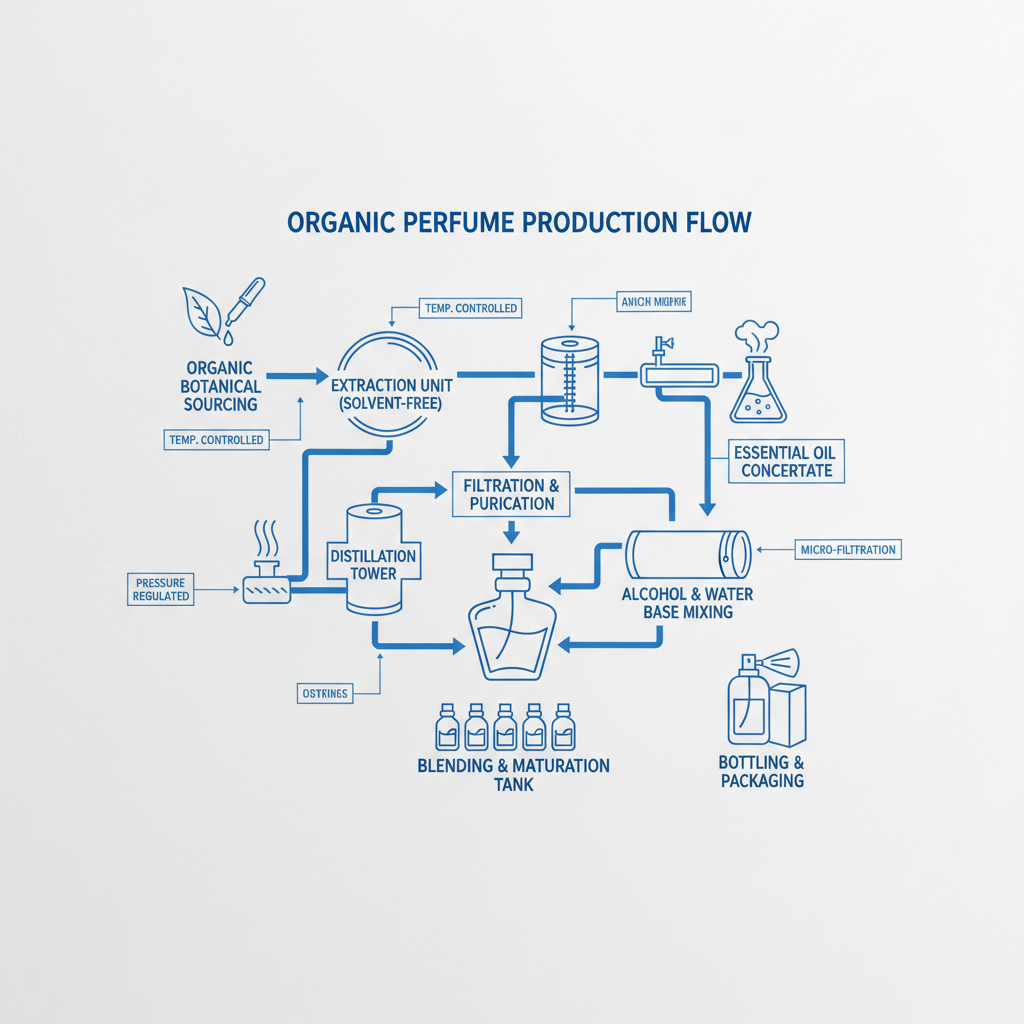
The extraction methods employed by organic perfume manufacturers are also crucial. Traditional techniques like steam distillation, solvent extraction (using organic solvents), and enfleurage are favored to preserve the delicate aromatic compounds of the plants. Avoiding harsh chemical processes is paramount. These techniques, while sometimes more labor-intensive, yield higher-quality, more nuanced fragrances.
This dedication to organic principles addresses growing consumer concerns about potential health risks associated with synthetic fragrances, such as allergies, hormone disruption, and environmental pollution. Choosing an organic perfume manufacturer is, therefore, a conscious step toward personal wellness and environmental responsibility.
Core Components of Organic Perfume Formulation
The formulation of organic perfumes relies heavily on a deep understanding of botanical aromatics. Essential oils, absolutes, and natural isolates form the building blocks of these fragrances. Essential oils are extracted directly from plants, while absolutes are derived from delicate flowers that cannot withstand the heat of steam distillation. Natural isolates are individual aromatic compounds extracted from essential oils. A skilled organic perfume manufacturer utilizes these elements to craft unique olfactory profiles.
The base notes, heart notes, and top notes – the traditional perfume pyramid – are equally important in organic formulations. Base notes, like sandalwood or vetiver, provide a long-lasting foundation. Heart notes, such as rose or jasmine, form the core of the scent. Top notes, like citrus or bergamot, offer an initial burst of freshness. Achieving a harmonious balance between these layers is the hallmark of a well-crafted organic perfume.
Organic alcohol, typically derived from grains or grapes, serves as the solvent that carries the aromatic compounds. Using organic alcohol is just as crucial as using organic essential oils, as conventional alcohol can contain synthetic impurities. The quality of the alcohol significantly impacts the longevity and overall quality of the final fragrance produced by an organic perfume manufacturer.
Global Applications and Market Reach
The market for organic perfumes is experiencing significant expansion globally, with North America and Europe currently leading the demand. However, growing awareness in Asia-Pacific and Latin America is creating new opportunities for organic perfume manufacturers. Consumers in these regions are increasingly seeking natural and sustainable alternatives to conventional fragrances.
Beyond individual consumers, the demand for organic perfumes is rising within the luxury hospitality sector, with hotels and spas incorporating organic amenities to enhance their commitment to wellness and sustainability. Boutique hotels are increasingly partnering with artisanal organic perfume manufacturers to create signature scents that reflect their brand identity.
Furthermore, the growth of online retail has enabled organic perfume manufacturers to reach a wider audience, bypassing traditional distribution channels and fostering direct-to-consumer relationships. This direct access allows these companies to build brand loyalty and gather valuable customer feedback.
Organic Perfume Manufacturer: Market Share by Extraction Method
Advantages and Long-Term Sustainability
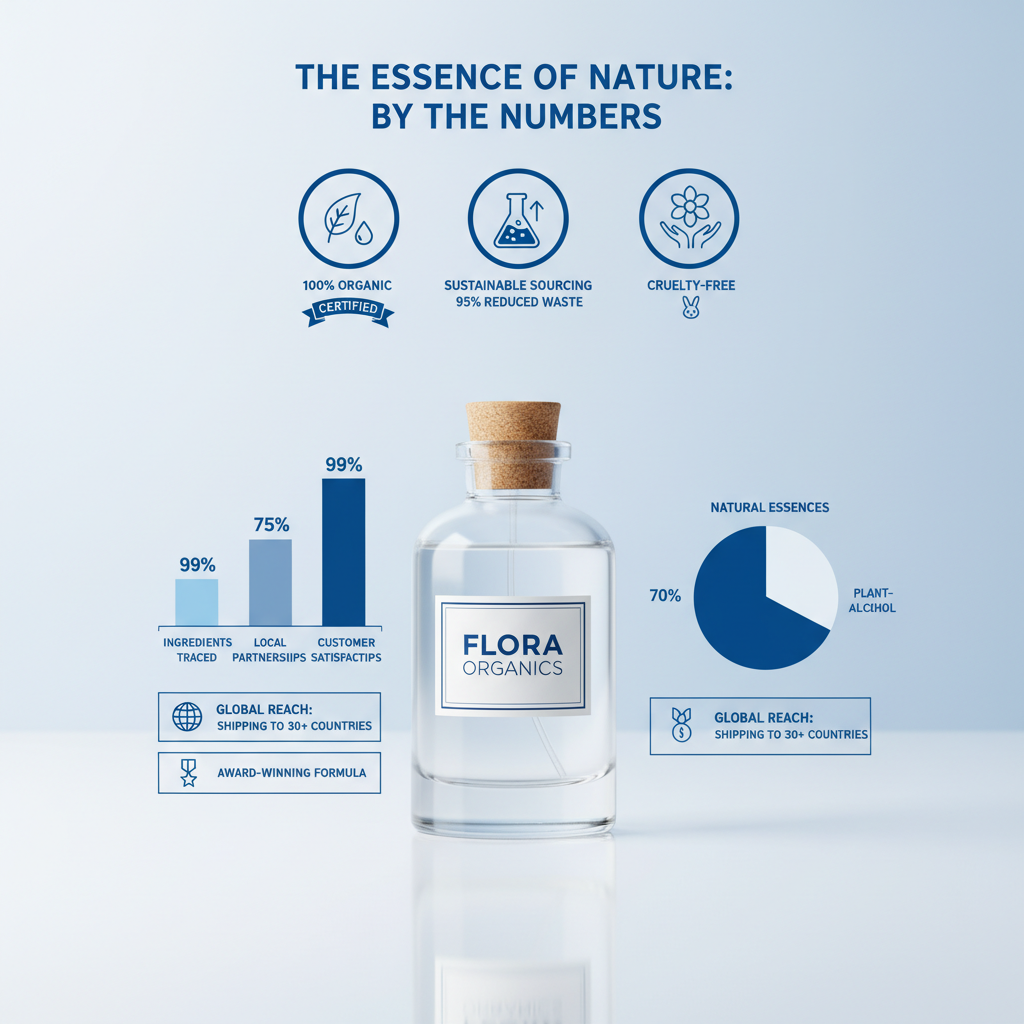
Choosing perfumes from an organic perfume manufacturer offers a multitude of advantages. These fragrances are often hypoallergenic, reducing the risk of skin irritation and allergic reactions. Moreover, they are free from phthalates, parabens, and other potentially harmful chemicals commonly found in conventional perfumes.
From a sustainability standpoint, organic perfume production supports biodiversity and promotes responsible agricultural practices. It also minimizes the environmental impact associated with the production and disposal of synthetic fragrances. The long-term value lies in contributing to a healthier planet and a more ethical beauty industry.
Future Trends in Organic Fragrance
The future of organic fragrance is poised for innovation. We are seeing a rise in the use of biotechnology to create sustainable and ethically sourced aromatic compounds. Fermentation, for example, can produce natural fragrance molecules without relying on traditional agricultural practices. This is particularly relevant for rare or endangered plant species.
Personalized fragrance is also gaining traction, with organic perfume manufacturers exploring technologies that allow consumers to create custom scents based on their individual preferences and skin chemistry. The integration of AI and machine learning could further refine this process, leading to truly bespoke fragrances.
Moreover, there's a growing emphasis on circularity in the beauty industry, with manufacturers exploring refillable packaging and innovative waste management solutions to minimize their environmental footprint.
Challenges and Innovative Solutions for organic perfume manufacturer
One of the primary challenges for organic perfume manufacturers is the higher cost of sourcing organic ingredients compared to synthetic alternatives. However, increased demand and economies of scale are gradually driving down prices. Another challenge lies in the limited availability of certain organic aromatic materials.
Innovative solutions include investing in sustainable farming practices, supporting small-scale organic farmers, and exploring alternative extraction techniques that maximize yield while minimizing environmental impact. Collaboration within the industry is also crucial to share best practices and address common challenges.
Transparency and traceability are paramount to overcoming consumer skepticism. Implementing blockchain technology can provide a secure and verifiable record of the entire supply chain, from farm to bottle, building trust and ensuring authenticity for customers of an organic perfume manufacturer.
A Comparative Analysis of Sustainability Practices Among Organic Perfume Manufacturers
| Ingredient Sourcing |
Packaging Materials |
Waste Management |
Ethical Labor Practices |
| Directly from Certified Organic Farms (Score: 9/10) |
Recycled Glass Bottles & Minimal Packaging (Score: 8/10) |
Composting & Recycling Programs (Score: 7/10) |
Fair Trade Certified Suppliers (Score: 9/10) |
| Through Fair Trade Cooperatives (Score: 8/10) |
Biodegradable Packaging Materials (Score: 9/10) |
Closed-Loop Manufacturing System (Score: 10/10) |
Employee Wellness Programs & Living Wages (Score: 8/10) |
| Locally Sourced When Possible (Score: 7/10) |
Refillable Bottle Options (Score: 7/10) |
Partnerships with Waste Recycling Facilities (Score: 6/10) |
Transparent Supply Chain Audit (Score: 7/10) |
| Imported Organic Ingredients (Score: 6/10) |
Plastic-Free Packaging (Score: 5/10) |
Carbon Offset Programs (Score: 8/10) |
Regular Ethical Compliance Checks (Score: 6/10) |
| Hybrid Sourcing Model (Score: 7/10) |
Minimalist Packaging Design (Score: 6/10) |
Water Conservation Initiatives (Score: 9/10) |
Community Investment Programs (Score: 7/10) |
| Focus on Rare & Endangered Species (Score: 8/10) |
Seed Paper Labels (Score: 8/10) |
Energy Efficiency Measures (Score: 7/10) |
Support for Local Artisans (Score: 8/10) |
FAQS
While both organic and natural perfumes avoid synthetic ingredients, "natural" is a less regulated term. Organic perfumes adhere to specific certifications (like Ecocert or USDA Organic) guaranteeing ingredients are grown without pesticides, herbicides, or GMOs. This provides a higher level of assurance regarding purity and sustainability. Organic perfume manufacturers prioritize these rigorous standards.
Longevity can vary, but well-formulated organic perfumes can be very long-lasting. The absence of synthetic fixatives sometimes means a slightly different fragrance evolution. However, skilled organic perfume manufacturers utilize natural fixatives like resins and balsams to enhance longevity without compromising the integrity of the scent. Proper storage also plays a role.
Generally, organic perfumes tend to be more expensive due to the higher cost of organic ingredients and more labor-intensive extraction processes. However, the investment reflects a commitment to quality, sustainability, and ethical sourcing. The long-term benefits to both personal health and the environment often outweigh the initial cost difference.
Look for perfumes certified by reputable organic organizations like Ecocert, USDA Organic, or COSMOS. Check the ingredient list carefully and avoid products with ambiguous terms like "fragrance" or "parfum," which can mask synthetic ingredients. Research the organic perfume manufacturer and their commitment to sustainability.
Organic perfumes are often a better choice for people with sensitivities, as they are free from many common allergens found in synthetic fragrances. However, it's still possible to be allergic to natural ingredients. Always check the ingredient list and perform a patch test before applying the perfume liberally. A reputable organic perfume manufacturer will provide full ingredient disclosure.
Choosing organic perfumes supports sustainable agriculture, reduces pesticide use, conserves water, and minimizes pollution. Organic production also promotes biodiversity and protects ecosystems. By supporting organic perfume manufacturers, you’re contributing to a more environmentally responsible beauty industry and a healthier planet.
Conclusion
In conclusion, the rise of the organic perfume manufacturer represents a significant shift towards conscious consumption and sustainable practices within the beauty industry. The benefits extend far beyond a pleasant fragrance; they encompass personal health, environmental responsibility, and ethical sourcing. Understanding the nuances of organic perfume production allows consumers to make informed choices that align with their values.
Looking ahead, innovation in biotechnology, personalized fragrance, and circular packaging will further enhance the sustainability and appeal of organic perfumes. By embracing these advancements and supporting companies committed to organic principles, we can collectively contribute to a more beautiful and harmonious world. Visit our website at www.sxzpods.com to explore our collection of exquisite organic fragrances.