The global landscape of nicotine delivery has shifted dramatically over the last decade, moving away from traditional combustion toward sophisticated electronic alternatives. Understanding the different type of e cigarettes is no longer just for enthusiasts; it is essential for consumers seeking a tailored experience that balances flavor, nicotine delivery, and convenience. As technology evolves, the industry has branched into various categories, each catering to a specific user profile, from the casual vaper to the experienced cloud-chaser.
From a global health and industry perspective, the proliferation of electronic nicotine delivery systems (ENDS) represents a significant shift in consumer behavior. Market data indicates a steady rise in adoption across North America and Europe, driven by a desire for harm reduction and a preference for customizable options. However, the rapid introduction of new hardware often leaves consumers confused about which device aligns with their lifestyle, making a comprehensive guide to the available hardware essential for informed decision-making.
Whether you are exploring the simplicity of a disposable device or the complex customization of a high-wattage mod, the diversity of the market ensures there is a solution for every need. By analyzing the technical specifications, battery capacities, and coil types, users can optimize their experience while maximizing the longevity of their devices. This guide delves deep into the mechanics and applications of the various systems available today.
The Evolution and Definition of E-Cigarette Systems
At its core, the term different type of e cigarettes refers to a wide spectrum of electronic devices designed to aerosolize a liquid solution—typically containing nicotine, flavorings, and a base of propylene glycol and vegetable glycerin. From the earliest "cig-a-likes" that mimicked the look of traditional tobacco, the industry has evolved into highly engineered tools that allow for precise control over temperature and vapor production.
Modern systems are categorized primarily by their power source and delivery method. This evolution reflects a broader humanitarian and industrial trend toward personalization, where the user can dictate the strength of the nicotine hit and the intensity of the flavor, moving away from the "one size fits all" approach of combustible products.
Core Components and Technical Architecture
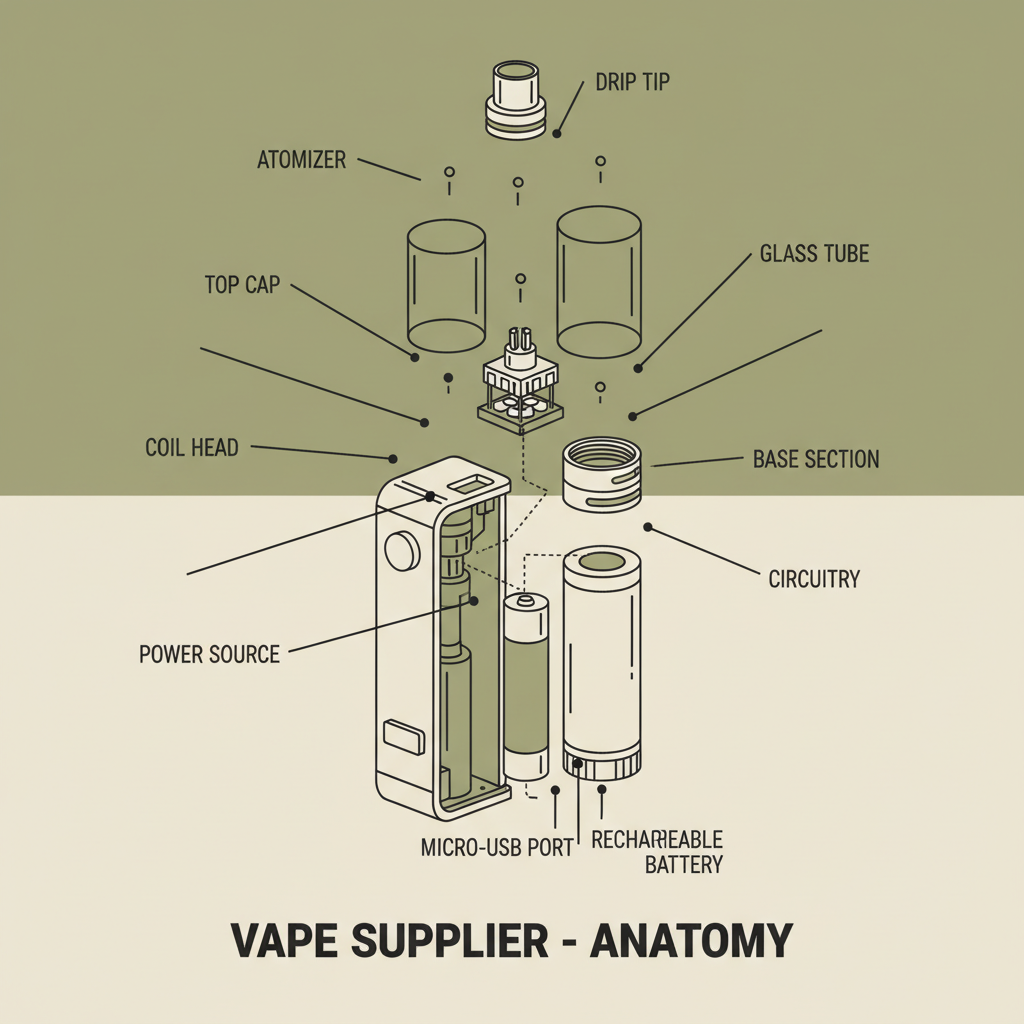
Every device, regardless of its classification, relies on a few fundamental components: the battery, the atomizer, and the tank. The battery provides the electrical energy needed to heat the coil, while the atomizer converts the liquid into an inhalable vapor. Understanding these components is key to grasping how different type of e cigarettes function differently in terms of efficiency and output.
Scalability is a major factor in technical architecture. While a simple pod system uses a fixed-voltage battery and a pre-filled cartridge, a professional mod utilizes a chipset that allows the user to adjust wattage or voltage. This scalability allows the device to handle different coil resistances, which in turn determines whether the vapor is tight and concentrated or voluminous and airy.
Durability and material science also play a critical role. High-end devices often use aerospace-grade aluminum or carbon fiber to ensure the device can withstand daily wear and tear, while remaining lightweight. The integration of leak-proof seals and advanced airflow controls has further refined the user experience, reducing maintenance and increasing the reliability of the delivery system.
Comparing Pod Systems and Mod Kits
When analyzing different type of e cigarettes, the first major divide is between pod systems and mod kits. Pod systems are designed for minimalism and ease of use, making them the primary choice for those transitioning from smoking. They typically feature integrated batteries and replaceable pods, prioritizing portability over raw power.
In contrast, mod kits offer a high degree of customization. These devices allow users to swap batteries and change tanks, providing a scalable platform for those who want to experiment with various e-liquid viscosities and nicotine strengths. This flexibility is what defines the "hobbyist" side of the industry, where the device becomes a tool for sensory exploration.
The choice between these two often comes down to the intended use case. A professional in a corporate environment might prefer the discretion of a pod system, while someone looking for a comprehensive flavor profile might invest in a mod. Both represent the versatility inherent in the different type of e cigarettes available in today's market.
Performance Metrics Across Device Categories
Evaluating the performance of different type of e cigarettes requires looking at metrics such as battery life, vapor density, and flavor accuracy. Pod systems generally score high on convenience but lower on vapor production, whereas mods provide an unmatched sensory experience at the cost of bulk and a steeper learning curve.
To better visualize these differences, we can look at how various categories perform across key user priorities. This data helps in identifying which system provides the best value based on the specific needs of the end-user, whether that be stealth, power, or cost-effectiveness.
Performance Comparison of Different Type of E Cigarettes
Global Market Applications and User Demographics
The application of different type of e cigarettes varies significantly by region. In the European Union, there is a strong emphasis on TPD compliance, which has led to a surge in standardized pod systems and limited tank capacities to ensure safety and regulation. Meanwhile, in other markets, the trend leans toward high-capacity disposables that offer maximum convenience for the user.
Demographically, the industry sees two distinct groups: the "transitionals," who use electronic devices as a bridge to quit smoking, and the "lifestyle users," who appreciate the technology and flavor variety. This divide drives innovation, as manufacturers create products that range from clinically precise delivery systems to high-fashion accessories that integrate seamlessly with a modern wardrobe.
Long-Term Value and Sustainability in Vaping
When considering the long-term value of different type of e cigarettes, the conversation inevitably turns to sustainability. Disposable devices, while convenient, pose environmental challenges. This has led to a market shift toward refillable systems, which reduce plastic waste and offer a significantly lower cost per milliliter of e-liquid over time.
From a logical angle, investing in a high-quality mod or pod system is more economically sustainable than relying on single-use products. The ability to replace only the coil or the pod, rather than the entire battery assembly, aligns with global green energy goals and reduces the industrial footprint of the vaping sector.
Furthermore, the emotional value of owning a customizable device creates a sense of trust and reliability. Users who maintain their own hardware often report a higher level of satisfaction, as they understand exactly what is entering their system, ensuring a consistent and safe experience that avoids the unpredictability of lower-grade alternatives.
Future Innovations in Electronic Nicotine Delivery
The future of different type of e cigarettes is being shaped by digital transformation and smart technology. We are seeing the emergence of "smart pods" that can track usage patterns and sync with mobile apps to help users manage their nicotine intake. This integration of IoT (Internet of Things) brings a level of precision previously unseen in the industry.
Moreover, the exploration of new materials, such as biodegradable plastics for pods and more efficient ceramic heating elements, is reducing the environmental impact while improving heat distribution. Automation in the manufacturing process is also allowing for tighter tolerances in coil winding, which results in a more pure and consistent flavor profile.
As policies evolve, we expect to see a move toward "closed-loop" recycling systems where manufacturers take back used batteries and pods. This circular economy approach will ensure that the growth of the industry does not come at the expense of the planet, making the next generation of devices both high-performing and eco-friendly.
Comparative Analysis of Future E-Cigarette Technology Trends
| Tech Innovation |
Impact on User |
Sustainability Score |
Market Adoption |
| AI-Driven Dosage |
Precise Nicotine Control |
7/10 |
Emerging |
| Ceramic Coils |
Pure Flavor Profile |
8/10 |
High |
| Bio-Plastic Pods |
Reduced Eco-Guilt |
10/10 |
Moderate |
| Wireless Charging |
Enhanced Convenience |
6/10 |
Increasing |
| Haptic Feedback |
Intuitive Usage |
5/10 |
Low |
| Modular Battery Packs |
Longer Device Lifespan |
9/10 |
Moderate |
FAQS
Pod systems are compact, often pre-filled, and designed for simplicity and portability, making them ideal for beginners. Mod kits are larger, customizable devices that allow users to adjust wattage, change coils, and use larger tanks, catering to those who want more control over their vapor production and flavor.
Refillable mod kits and pod systems are significantly more cost-effective than disposables. While the initial investment is higher, the cost of buying e-liquid in bulk and replacing only the coils is much lower than purchasing multiple single-use devices over several months.
Generally, pod systems and low-wattage devices are best for high-strength nicotine salts because they produce less vapor. High-wattage mods are better suited for "freebase" nicotine at lower strengths, as the larger vapor clouds deliver more nicotine per inhale.
No, disposable e-cigarettes are generally the least sustainable option due to the integrated lithium batteries and plastic casings that often end up in landfills. Switching to a refillable system with a rechargeable battery is a much more eco-friendly choice.
MTL stands for "Mouth-to-Lung," mimicking the tight draw of a traditional cigarette (common in pods). DL stands for "Direct-to-Lung," where the vapor is inhaled directly into the lungs, producing larger clouds (common in mods).
Coil lifespan varies, but typically they last between 1 to 2 weeks depending on usage and e-liquid sweetness. You should replace the coil when you notice a burnt taste, a decrease in vapor production, or a change in flavor consistency.
Conclusion
Navigating the variety of different type of e cigarettes reveals a sophisticated intersection of technology, health, and personal preference. From the streamlined efficiency of pod systems to the powerful versatility of mod kits, the industry has provided a diverse toolkit for users to customize their experience. By focusing on core components like battery architecture and coil efficiency, consumers can make choices that balance their needs for convenience, cost, and sensory satisfaction.
Looking forward, the trend toward sustainability and smart integration will continue to redefine the vaping experience. As the industry moves toward biodegradable materials and AI-enhanced delivery, the focus will shift from mere nicotine replacement to a holistic, responsible lifestyle choice. We encourage users to prioritize refillable systems and stay informed about the latest hardware innovations to maximize both their value and their environmental footprint. Visit our website for more information: www.sxzpods.com