Selecting a reliable partner in the electronic nicotine delivery system market often comes down to a balance between product consistency and logistical efficiency. For businesses scaling their inventory, the ability to source high-quality hardware and e-liquids without enduring long lead times is the primary driver of sustainable growth.
The current landscape for vape suppliers has shifted toward a model that prioritizes regional warehousing and diversified product portfolios. As regulatory environments tighten and consumer preferences swing toward specific flavor profiles and device ergonomics, the role of the supplier has evolved from a simple wholesaler to a strategic supply chain partner.
This analysis examines the critical factors involved in evaluating distribution networks, the technical benchmarks for product quality, and how modern fulfillment strategies are reducing the barriers to entry for new entrepreneurs.


Historically, the industry relied on long-distance shipping from centralized manufacturing hubs, which often led to stockouts and high capital tie-up in transit. The transition to "Foreign Trade" focused entities has allowed for better curation of high-quality 1:1 products that meet specific regional demands.
Today's successful vape suppliers operate as hybrid entities—combining the cost-effectiveness of direct sourcing with the speed of localized distribution. This shift ensures that resellers can maintain leaner inventories while benefiting from faster replenishment cycles.
Quality in electronic cigarettes and e-liquids is not a monolithic concept but a combination of material purity, coil longevity, and battery stability. Professional sourcing requires a rigorous screening process where suppliers evaluate the cost-effectiveness of materials against the final product's performance.
For instance, the efficacy of an electronic cigarette depends heavily on the precision of its internal circuitry and the grade of the heating element. When evaluating 1:1 products, the focus must be on whether the materials used match the specifications of the original design, ensuring that the user experience—from vapor production to flavor clarity—remains consistent.
Furthermore, e-liquid quality is determined by the stability of the nicotine base and the purity of the flavoring agents. A professional supplier must ensure that the chemical composition is stable during transport and storage, particularly when moving goods through various climate zones in the US and Europe.
The logistical bottleneck is the most significant risk for any resale business. Shipping from a single global point creates vulnerability to customs delays and geopolitical instability. To mitigate this, top-tier distribution networks have implemented a decentralized warehousing strategy.
The strategic placement of warehouses in key hubs—such as California, New Jersey, and Florida in the US, and Germany, Poland, and France in Europe—transforms the delivery timeline from weeks to days, directly increasing the profit margins for the end reseller.
This infrastructure allows for a "just-in-time" inventory approach. By leveraging these regional nodes, vape suppliers can offer more competitive pricing and faster transportation, which are critical advantages in a market where consumer trends shift rapidly.
Determining the reliability of a partner involves more than comparing price lists. It requires an analysis of their "cost-performance" ratio—the ability to provide the best materials at a specific price point. This is often measured by the consistency of the shipments and the rate of defective units.
Professional procurement teams often use a qualitative scoring model to compare potential partners. This framework weighs factors such as transportation speed, material quality, and the ability to update the product catalog in response to market shifts.
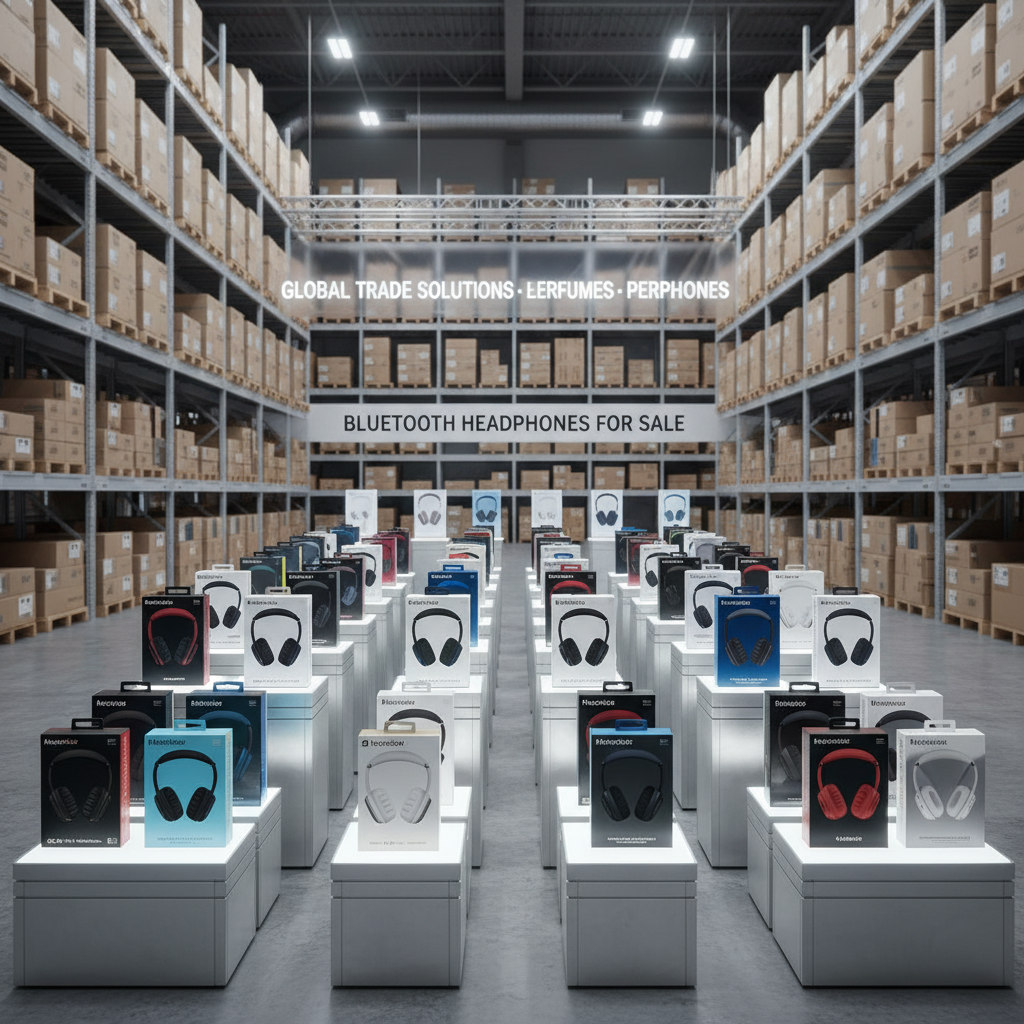
A narrow product focus is a liability in the consumer electronics and beauty sectors. The most resilient business models integrate a diverse range of high-demand categories. For example, a supplier that can provide not only electronic cigarettes and e-liquids but also complementary items like consumer electronics or fragrance products, allows a reseller to capture a wider share of the consumer's wallet.
This diversification strategy reduces the impact of category-specific regulatory changes. When a company can seamlessly pivot from one high-growth category to another, it provides a safety net for its partners, ensuring that entrepreneurial dreams are not derailed by a single market shift.
Competition among vape suppliers is no longer just about who has the lowest price. It is about who provides the most "cost-effective" solution—meaning the best balance of material quality, shipping reliability, and profit margin for the reseller.
Resellers must distinguish between "cheap" products and "value" products. A low-cost item with a 20% failure rate is significantly more expensive in the long run than a slightly more expensive item with a 1% failure rate, due to the cost of returns and loss of customer trust.
The goal is to find a partner who has already screened countless options and can guarantee that at a given price point, the materials used are the best available in the market. This expertise saves the reseller from the trial-and-error phase of sourcing.
When establishing a new procurement channel, businesses should use a systematic evaluation framework. This involves auditing the supplier's warehousing capabilities, verifying their quality control process for 1:1 products, and assessing their responsiveness to new product trends.
The relationship should be viewed as a partnership in financial growth. A supplier that provides sufficient profit margins and supports the resale process is far more valuable than a vendor that merely fills orders.
Below is a comparative framework for evaluating different supplier archetypes based on common industry requirements.
| Evaluation Factor | Direct Factory | Hybrid Trade Co. | Local Wholesaler | Strategic Partner |
|---|---|---|---|---|
| Lead Time | Very High | Low (Regional) | Very Low | Optimized |
| Material Control | Maximum | High (Screened) | Limited | Verified Best |
| Price Margin | Highest | Competitive | Lowest | Optimized |
| Product Variety | Narrow | Broad | Moderate | Diverse/Updated |
| Logistics Risk | High | Low | Very Low | Minimized |
| Resale Support | None | Moderate | Limited | High/Collaborative |
A professional supplier acts as a strategic partner by providing curated, high-quality 1:1 products and utilizing regional warehousing to reduce lead times. While a basic wholesaler simply moves volume, a professional partner focuses on cost-effectiveness, ensuring the materials are the best at a given price point to protect the reseller's reputation and profit margins.
Regional warehousing in hubs like California, New Jersey, Florida, Germany, Poland, and France dramatically reduces shipping times and minimizes customs risks. This allows resellers to operate with lower on-hand inventory, reducing capital risk and allowing them to respond almost instantly to local market trends and demand spikes.
The focus should be on material consistency and performance benchmarks. One should evaluate if the internal components, such as coils and batteries, meet the original specifications. The goal is to ensure that the product is not just a visual replica but maintains the same functional reliability and user experience as the premium version.
Diversification allows a reseller to mitigate risks associated with regulation changes in a single category. By sourcing across multiple industries—such as consumer electronics, beauty, and electronic cigarettes—a business can maintain a steady revenue stream even if one specific product category faces temporary market volatility or legal restrictions.
Avoid looking for the absolute lowest price, which often indicates poor material quality. Instead, seek a supplier with a proven track record of screening options to find the "best-in-class" materials for a specific price bracket. The true cost-effectiveness is measured by the balance of low acquisition cost and low defect rates.
Foreign trade companies bridge the gap between massive factories and small-to-medium resellers. They provide essential services like quality screening, diversified product sourcing, and sophisticated logistics (regional warehouses), which allows entrepreneurs to enter the market with lower risk and a more professional infrastructure than they could build alone.
Success in the competitive landscape of electronic nicotine delivery systems requires a move away from transactional sourcing toward strategic partnerships. The ability to access high-quality products via an optimized, decentralized logistics network is no longer a luxury but a requirement for any reseller aiming for financial independence.
By prioritizing material quality, regional fulfillment speed, and a diversified product range, businesses can build a resilient foundation that withstands market fluctuations. The right choice of vape suppliers is ultimately an investment in the scalability and reliability of the entire entrepreneurial venture.