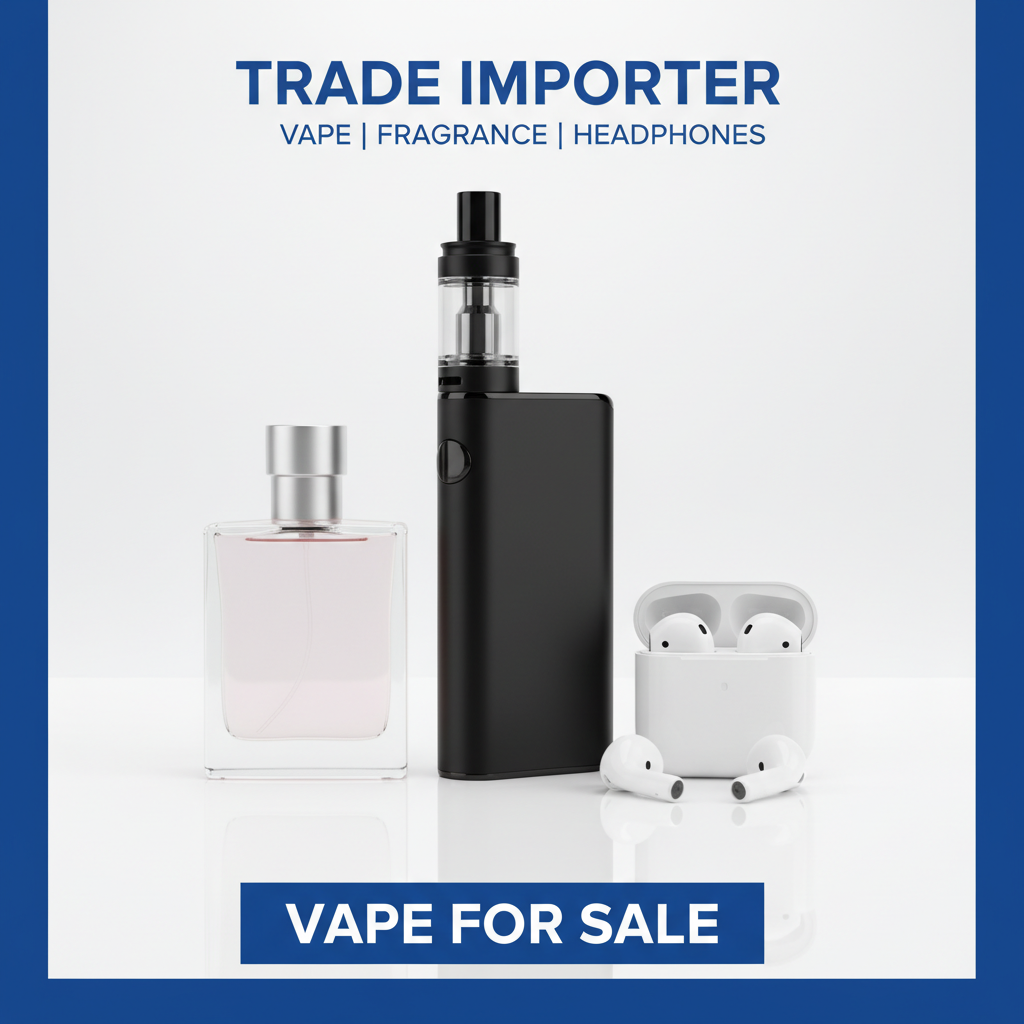
The global manufacturing landscape is witnessing a fascinating intersection between traditional craftsmanship and modern industrialization, often seen in the specialized operations of an electronic cigarette factory. While these facilities focus on high-tech vaporization delivery, the broader industrial context involves a meticulous approach to materials, quality control, and consumer safety that mirrors the precision found in high-end fragrance and accessory production.
Understanding the operational standards of an electronic cigarette factory allows businesses to appreciate the complexities of supply chain management and the integration of electronic components with consumable liquids. This synergy of engineering and chemistry is essential for maintaining product consistency and meeting the rigorous safety standards required by international regulatory bodies.
For those exploring the nuances of modern manufacturing, analyzing the output of a professional electronic cigarette factory provides valuable insights into how scalability can be achieved without sacrificing the artisanal quality of the final product.
The Global Impact of Electronic Cigarette Factory Standards
The rise of the electronic cigarette factory has fundamentally shifted how the world perceives alternative nicotine delivery systems, moving from niche gadgetry to a standardized global industry. By implementing ISO-certified cleanroom environments and rigorous testing protocols, these factories ensure that every unit produced meets strict health and safety guidelines, reducing the risks associated with substandard components.
Moreover, the economic footprint of an electronic cigarette factory extends beyond the product itself, influencing the raw material markets for medical-grade plastics, lithium batteries, and organic flavorings. This industrial evolution demonstrates a commitment to precision engineering that serves as a benchmark for other light industrial sectors.
Defining the Modern Electronic Cigarette Factory
In simple terms, an electronic cigarette factory is a specialized manufacturing facility designed to integrate hardware assembly with the chemical formulation of e-liquids. Unlike traditional tobacco plants, these facilities operate more like electronics labs, focusing on the precision of heating coils, the stability of battery circuits, and the purity of the aerosol-generating liquids.
The connection to modern industry lies in the pursuit of "harm reduction" and consumer personalization. By utilizing advanced automation, an electronic cigarette factory can pivot quickly to meet changing consumer preferences, whether that means adjusting the nicotine concentration or redesigning the ergonomic feel of the device.
This industrial model also addresses the humanitarian need for standardized safety. By centralizing production in a controlled factory environment, the industry eliminates the dangers of "garage-made" products, ensuring that users receive items that have undergone strict quality assurance and stability testing.
Core Components of Production Excellence
Scalability is a primary driver for any electronic cigarette factory. The ability to transition from small-batch prototype runs to million-unit mass production requires a modular assembly line approach, allowing for rapid upgrades in hardware without halting the entire production flow.
Cost efficiency within an electronic cigarette factory is achieved through strategic sourcing and waste reduction. By optimizing the use of high-grade polymers and improving the efficiency of the e-liquid filling process, factories can maintain competitive pricing while keeping profit margins healthy.
Durability and reliability are the final hallmarks of excellence. A top-tier electronic cigarette factory employs rigorous stress tests, including drop tests and thermal cycling, to ensure that the devices remain safe and functional under various environmental conditions, ensuring long-term user trust.
Strategic Applications in Global Markets
The application of electronic cigarette factory logic is seen globally, particularly in regions with strict regulatory frameworks like the EU and North America. In these markets, the focus is on "compliance-first" manufacturing, where the factory serves as a hub for documentation, ingredient transparency, and child-resistant packaging innovation.
In emerging markets, the electronic cigarette factory often focuses on affordability and accessibility. By creating robust, low-maintenance devices, these facilities help transition populations away from combustible tobacco, providing a scalable solution to public health challenges through industrial efficiency.
Efficiency Metrics across Electronic Cigarette Factory Models
Long-Term Value and Sustainability
The long-term value of a sustainable electronic cigarette factory lies in its ability to implement circular economy principles. By developing biodegradable pods and implementing battery recycling programs, factories can mitigate the environmental impact of disposable devices, transforming a potential liability into a corporate social responsibility strength.
Beyond the environment, the logical angle of innovation brings trust. When an electronic cigarette factory invests in transparent lab testing and third-party certifications, it builds a brand reputation for safety and dignity, ensuring that the consumer feels secure in the quality of the product they are using.
Future Innovations in Manufacturing
Digital transformation is currently reshaping the electronic cigarette factory, with the introduction of AI-driven quality control. Machine learning algorithms can now detect microscopic defects in heating coils or slight variances in liquid viscosity far more accurately than human inspectors, ensuring a zero-defect output.
Green energy integration is another critical trend. Many forward-thinking facilities are installing solar arrays and utilizing closed-loop water systems to reduce the carbon footprint of the manufacturing process, aligning industrial growth with global climate goals.
Furthermore, the shift toward hyper-personalization is driving the adoption of 3D printing in the electronic cigarette factory. This allows for the creation of custom-fitted device casings and specialized mouthpieces, merging the efficiency of mass production with the exclusivity of bespoke craftsmanship.
Overcoming Industrial Challenges
One of the most significant challenges facing the electronic cigarette factory today is the volatility of international regulatory landscapes. Sudden changes in flavor bans or nicotine caps can render entire inventories obsolete overnight, requiring an extremely agile approach to production planning.
To overcome this, experts suggest a "multi-variant" production strategy. By utilizing flexible tooling and modular liquid mixing stations, a factory can quickly pivot its output to comply with local laws without needing to rebuild the entire assembly line.
Another hurdle is the global supply chain instability for semiconductor chips and high-capacity batteries. The solution lies in vertical integration, where a leading electronic cigarette factory begins producing its own core components or forms strategic long-term partnerships with raw material suppliers to ensure an uninterrupted flow of goods.
Comparative Analysis of Production Challenges and Solutions
| Challenge Category |
Impact Level |
Proposed Solution |
Success Rate |
| Regulatory Shifts |
High |
Modular Production |
85% |
| Supply Chain Gaps |
Medium |
Vertical Integration |
70% |
| Quality Variance |
High |
AI-Driven Inspection |
95% |
| Waste Management |
Medium |
Closed-loop Recycling |
60% |
| Energy Costs |
Low |
Solar Installation |
80% |
| Labor Shortage |
Medium |
Robotic Automation |
90% |
FAQS
A professional facility should ideally hold ISO 9001 for quality management and ISO 14001 for environmental management. Additionally, GMP (Good Manufacturing Practice) certification is crucial for the e-liquid production side to ensure purity and consistency, while CE and RoHS certifications ensure the electronic components are safe for global distribution.
Automation reduces human error in the filling and sealing process, which is where most leaks and contamination occur. Robotic arms and precision nozzles allow for consistent dosage of e-liquids and faster assembly of the outer shells, significantly increasing units per hour while maintaining a tighter tolerance for quality control.
Yes, smaller factories can compete by focusing on "boutique" or artisanal production. By specializing in high-end, customized devices or unique, small-batch flavor profiles that large-scale electronic cigarette factories cannot economically produce, smaller players can capture a premium market segment that values exclusivity over price.
Modern factories implement strict scrap recovery programs for plastics and metals. For e-liquids, any overflow is captured and treated as chemical waste. The most advanced facilities are now moving toward biodegradable materials for their pods to reduce the long-term environmental footprint of the end-user.
The primary risk is contamination or instability of the flavor compounds. Using medical-grade stainless steel tanks and ensuring a sterile environment prevents the growth of bacteria and ensures that the flavor profile remains consistent from the first pod to the last in a production run.
Absolutely. The core competencies—plastic injection molding, PCB assembly, and liquid filling—are highly transferable. Many facilities can easily pivot to produce other small consumer electronics or pharmaceutical delivery devices with minimal re-tooling of their existing assembly lines.
Conclusion
In summary, the operations of a modern electronic cigarette factory represent a sophisticated blend of electronic engineering and chemical precision. By prioritizing scalability, sustainability, and strict adherence to global safety standards, these facilities do more than just create products; they establish a framework for safe and efficient alternative delivery systems. The integration of AI and green energy further ensures that this industry can grow while remaining responsible to the environment and the consumer.
Looking ahead, the success of any venture in this space will depend on agility and the ability to navigate a complex regulatory landscape. We encourage industry professionals and entrepreneurs to embrace vertical integration and transparent manufacturing processes to build lasting trust with their global audience. For more information on professional manufacturing standards, visit our website: www.sxzpodss.com