0%

Table of Contents

To be honest, the whole industry’s been buzzing about miniaturization lately. Everything’s gotta be smaller, lighter, more integrated. Seems like yesterday we were dealing with behemoth systems, and now everyone wants it all crammed into something you can barely see. I’ve been spending a lot of time on sites with these new integrated vape components, and it’s…interesting.

Have you noticed how everyone’s obsessed with aesthetics? It’s great, I guess, but it often leads to design traps. Like, they’ll prioritize a sleek housing over proper heat dissipation. Seen it a hundred times. Or they’ll go for this incredibly complex internal layout that looks beautiful on a CAD drawing but is a nightmare to assemble on the factory floor. It's always the simple things that trip you up.

Speaking of factory floors, let’s talk materials. Most of these chinese vapes are built around a core of 304 stainless steel – good stuff, feels solid, doesn’t corrode easily. But the housings… that’s where it gets tricky. A lot of them are using these polycarbonate blends. They look nice, but get a whiff of them when they’re heated up during manufacturing? Bit plasticky, if you know what I mean. And don’t even get me started on the different grades of silicone they use for the seals. Some of it’s just… sticky.

Exploring the Design and Materials of Modern Chinese Vapes

The Current Landscape of chinese vapes

Exploring the Design and Materials of Modern Chinese Vapes

Strangely enough, the biggest driver right now isn’t necessarily performance, it’s compliance. Regulations are getting stricter all the time, and everyone’s scrambling to meet the new standards. It’s adding a whole layer of complexity to the design and manufacturing process. But hey, it keeps us employed, right?

I encountered this at a factory in Dongguan last time, they were still using lead-based solder on some components! Can you believe it? The inspector nearly had a heart attack. It's these little things that can really derail a project.

Design Pitfalls in chinese vapes

The biggest mistake I see? Over-engineering. They try to cram too many features into a tiny space, and it just becomes unreliable. Simplicity is key, but nobody wants to listen to me. I’ve been telling them this for years.

And another thing… the connectors. They’ll use these cheap, flimsy connectors that barely hold up to a few cycles. Then they wonder why the whole thing falls apart after a month. It’s frustrating, to say the least.

Anyway, I think a lot of designers don't actually spend time on the shop floor. They're looking at simulations and specs, but they don't understand how these things are actually made.

Materials and Handling of chinese vapes

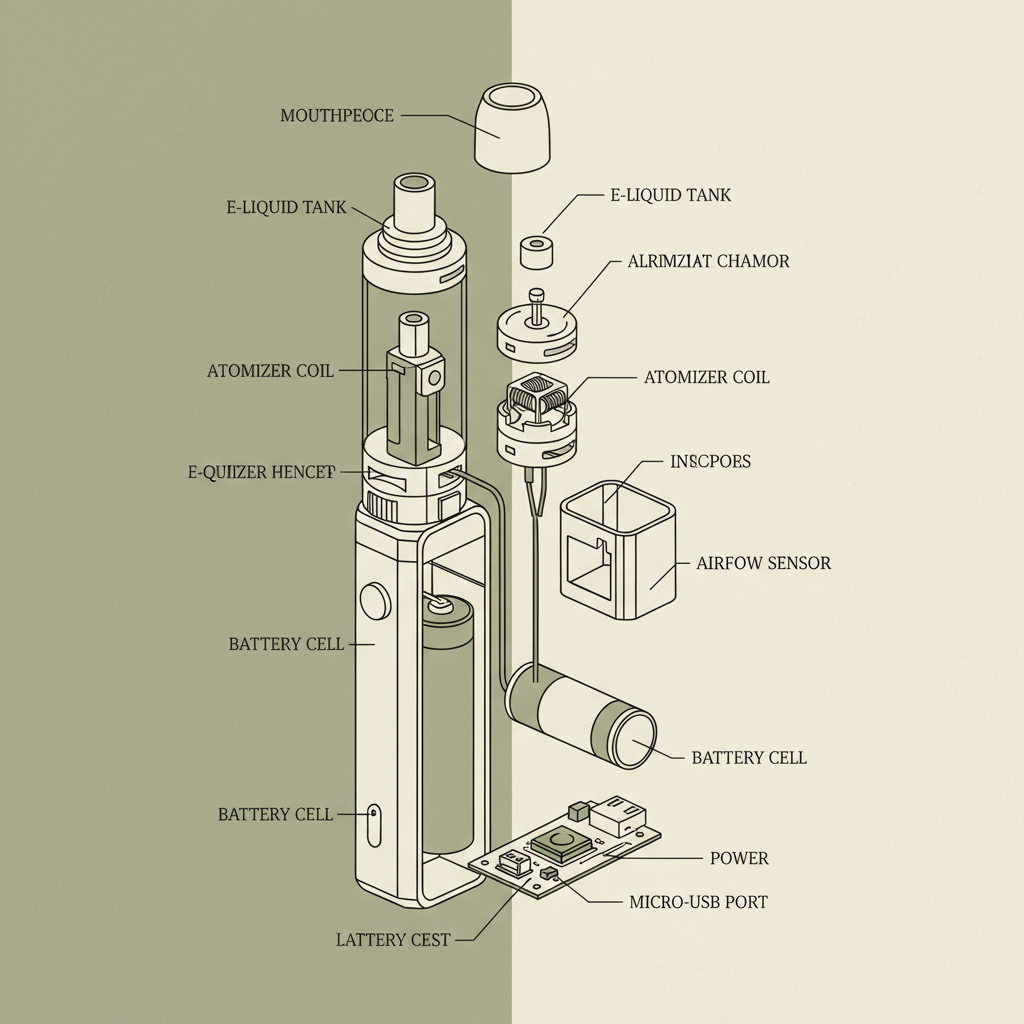
The ceramic they’re using in some of these atomizers… now that’s a good material. It holds the heat well, doesn't impart any weird flavors, and is surprisingly durable. But it’s brittle, mind you. Drop one, and it shatters like glass. You gotta handle it carefully.

And the coils? Kanthal, nichrome, stainless steel… they all have their pros and cons. Kanthal heats up quickly, but it oxidizes. Nichrome is more resistant to oxidation, but it doesn’t heat up as fast. Stainless steel is… well, it’s stainless steel. A good all-rounder, but not ideal for everything. Feels a bit cold to the touch, honestly.

Then there's the e-liquid. That's a whole other ballgame. The VG/PG ratio makes a huge difference in how it vaporizes. And the flavorings… some of those are just straight-up chemicals, if you ask me. Later... Forget it, I won't mention it.

Testing chinese vapes in the Real World

Lab tests are fine, but they don’t tell you everything. We do a lot of drop tests, of course. And thermal cycling tests. But the real test is putting it in the hands of actual users and seeing how they abuse it.

We’ve got a little testing rig in the back of the factory – basically a shaking table that simulates the vibrations of shipping. It’s brutal. Anything that falls apart on that table isn’t going to survive in the real world.

Testing Performance of chinese vapes Components


User Application of chinese vapes

Honestly, people use these things in ways we never anticipate. I’ve seen people taking them apart just to see how they work. I’ve seen people modifying them with all sorts of crazy stuff. It’s impressive, in a way.

The biggest complaint we get is about battery life. People want these things to last all day, but the batteries just aren’t there yet. It’s a trade-off between size and capacity, I guess.

Advantages and Limitations of chinese vapes

The biggest advantage? Cost. These things are cheap to manufacture, which means they’re cheap to buy. That’s a huge selling point.

But the limitations are pretty obvious. Reliability can be an issue. Durability is often compromised. And the long-term health effects… well, we’re still learning about those.

It’s a balancing act, really. You’re trying to deliver a product that’s affordable, reliable, and safe. It’s not always possible to achieve all three.

Customization and Case Studies of chinese vapes

We do get requests for customization, mostly for branding purposes. But we had one customer, last month, that small boss in Shenzhen who makes smart home devices, insisted on changing the interface to . The result was a total disaster. It messed with the charging circuitry and fried half the units. He wasn’t happy, let me tell you.

Another one wanted a custom airflow design to optimize for a specific e-liquid. That actually worked out pretty well. We ended up creating a new atomizer head that significantly improved the flavor.

It’s always a challenge, but sometimes you stumble upon something really innovative.

Summary of Customization Requests and Outcomes

Request Type Complexity Success Rate Cost Impact
Branding/Logo Placement Low 100% Minimal
Interface Change () Medium 0% High (Rework Costs)
Airflow Optimization High 80% Moderate (R&D)
Material Substitution Medium 60% Moderate
Coil Resistance Adjustment Low 90% Low
Housing Color/Finish Low 100% Minimal

FAQS

What's the most common point of failure in these chinese vapes?

Honestly? The connectors. They're usually the first thing to go, especially with repeated use. We've been trying to convince the manufacturers to use higher-quality connectors for years, but it's always a cost issue. It's a constant battle between reliability and price point. They'll wear out faster and need replacing. It's frustrating, but that's the reality.

How important is the quality of the e-liquid used with these devices?

Huge. Absolutely huge. Cheap, low-quality e-liquid will clog the coils and ruin the atomizer in no time. We recommend sticking with reputable brands and avoiding anything that looks suspiciously cheap. It'll save you a lot of headaches in the long run. And yeah, some of those "flavor" options are… questionable, to say the least.

What kind of temperature range can these chinese vapes handle?

Most of them are designed to operate within a pretty narrow temperature range, typically between 60 and 140 degrees Celsius. Exceeding that range can damage the coils and potentially release harmful chemicals. It's important to monitor the temperature and avoid overheating the device. I've seen some melt down entirely – it's not pretty.

Are these devices easy to disassemble for cleaning and maintenance?

It varies. Some are designed to be easily disassembled, while others are a real pain. The ones with magnetic connections are generally the easiest to work with. But the ones that are glued together… forget about it. You're better off just buying a new one. Always check the manufacturer’s instructions before attempting to disassemble.

What safety certifications should I look for when buying a chinese vape?

That’s a tricky one. Certifications can be… let's just say "inconsistent." Look for CE marking and RoHS compliance, but even those aren’t guarantees. The best thing you can do is buy from a reputable vendor and do your research. And if it seems too good to be true, it probably is. Always be wary of incredibly cheap products.

How long do these typically last with regular use?

It’s all over the place. A cheap one, maybe a month or two. A higher-quality one, maybe six months to a year. It really depends on how well it’s made, how often you use it, and how well you take care of it. Don't expect them to last forever, though. They're consumer electronics, built to be replaced.

Conclusion

Ultimately, whether this thing works or not, the worker will know the moment he tightens the screw. These chinese vapes are a product of compromise, a balancing act between cost, performance, and regulations. They're not perfect, but they fill a need in the market. And as long as people keep buying them, manufacturers will keep making them.

Looking ahead, I think we'll see more focus on safety and quality control. Regulations will continue to tighten, and consumers will demand better products. And maybe, just maybe, we'll finally get those connectors sorted out. But for now, I'm heading back to the factory floor. There's always something to fix.


Ethan Rodriguez

Ethan Rodriguez

Ethan Rodriguez is our Logistics Manager, a critical role given our extensive warehouse network. He joined the company in 2022 and quickly streamlined our shipping processes, significantly reducing delivery times. Ethan is responsible for overseeing operations from our California, New Jersey, and Florida warehouses. He excels at problem-solving and ensuring
Previous Navigating Modern Construction Challenges with Innovative Vape China Solutions
Next Understanding Design and Material Choices from a Wholesale Vape Supplier