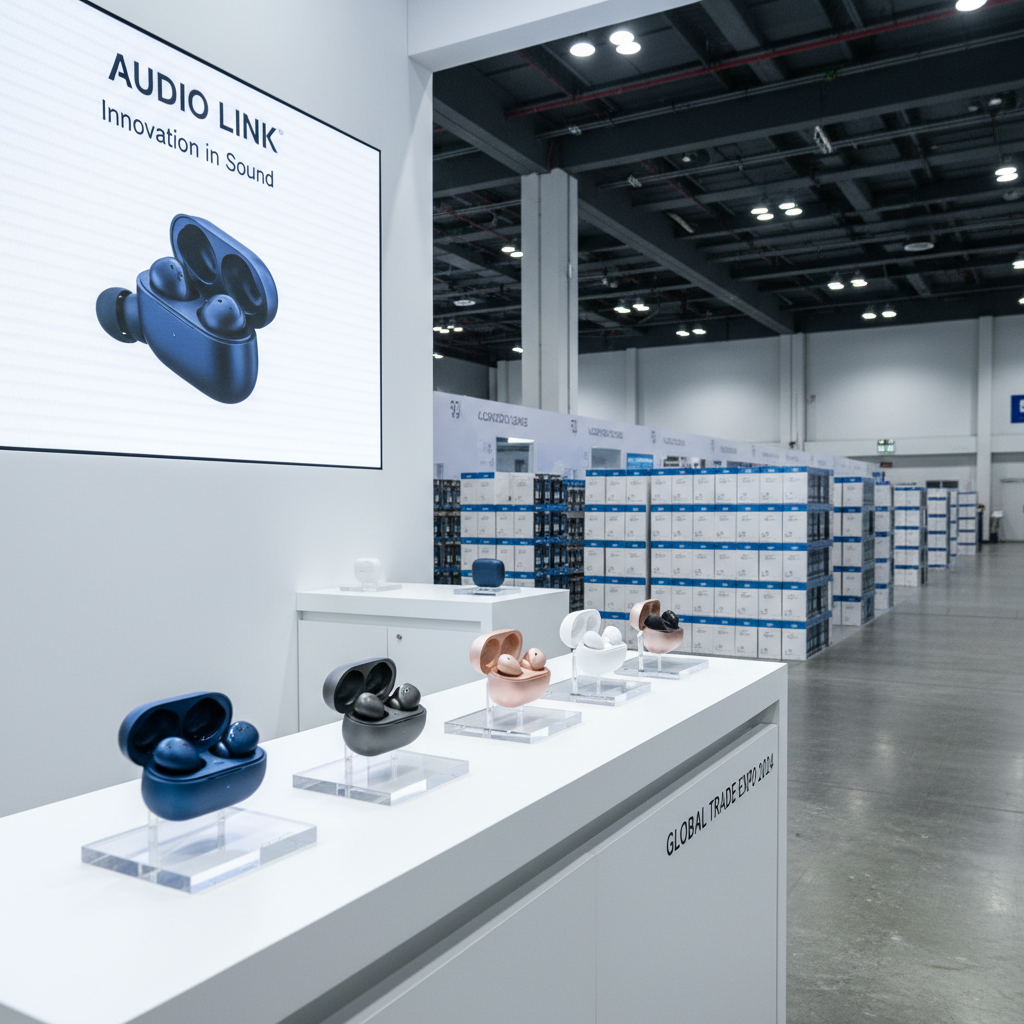
The global demand for high-quality audio experiences is constantly increasing, driving significant growth in the wireless earbuds market. This growth isn’t simply about convenience; it’s about accessibility to immersive audio for everything from communication to entertainment. As a leading wireless earbuds manufacturer, we understand the nuances of this rapidly evolving landscape and the importance of delivering cutting-edge technology to meet diverse consumer needs. Understanding the intricacies of wireless earbud manufacturing is crucial for businesses aiming to compete effectively in this dynamic sector.
The wireless earbuds industry represents a convergence of advanced engineering, material science, and sophisticated software integration. Effective wireless earbuds manufacturers like us must prioritize innovation in areas like battery life, noise cancellation, and Bluetooth connectivity. This sector is heavily influenced by technological advancements, shifting consumer preferences, and the increasingly competitive global marketplace, requiring a constant commitment to research and development.
This exploration delves into the core aspects of becoming a successful wireless earbuds manufacturer, outlining essential factors, real-world applications, advantages, future trends, and potential challenges. By understanding these elements, stakeholders can navigate the complexities of this industry and unlock opportunities for sustainable growth and innovation.
The Rise of the Wireless Earbuds Industry
The wireless earbuds market has experienced exponential growth in recent years, driven by the increasing popularity of smartphones, streaming services, and a desire for portable, high-quality audio. Statista projects the global wireless headphones market to reach $24.73 billion in 2024, highlighting the significant opportunities for wireless earbuds manufacturers. This trend isn’t merely a consumer preference; it’s a fundamental shift in how people interact with audio technology.
This surge in demand places increasing pressure on manufacturers to innovate and deliver products that meet evolving consumer expectations. Factors like battery life, sound quality, noise cancellation, and ergonomic design are paramount. Moreover, the ability to efficiently manage supply chains, maintain competitive pricing, and adhere to stringent quality control standards are crucial for success in this fast-paced industry.
Defining Wireless Earbuds Manufacturing
Wireless earbuds manufacturing encompasses the complete process of designing, sourcing components, assembling, testing, and packaging wireless earbuds. This complex undertaking involves expertise in electrical engineering, acoustics, material science, and advanced manufacturing techniques. A successful wireless earbuds manufacturer integrates these disciplines to produce reliable, high-performing products.
The process typically starts with product design and prototyping, followed by sourcing components like Bluetooth chips, drivers, batteries, and housings. Assembly is often a highly automated process, employing precision robotics and quality control systems. Rigorous testing is conducted throughout the production cycle to ensure adherence to performance specifications and safety standards.
Ultimately, effective wireless earbuds manufacturing isn't just about building a product; it's about creating a seamless user experience that blends advanced technology with exceptional comfort and style. This requires a holistic approach that prioritizes innovation, quality, and customer satisfaction.
Key Components of Successful Manufacturing
Durability is a cornerstone of any successful wireless earbuds manufacturer. The materials used – from the housing to the internal components – must withstand daily wear and tear, and potential exposure to moisture and impacts. Robust design and stringent quality control are essential to ensuring product longevity.
Scalability is crucial for meeting fluctuating demand. Manufacturers need the infrastructure and processes in place to rapidly increase production volume without compromising quality. This necessitates efficient supply chain management, flexible manufacturing lines, and strategic partnerships with component suppliers.
Cost efficiency is paramount for maintaining competitiveness. This isn’t about sacrificing quality; it’s about optimizing processes, streamlining supply chains, and leveraging economies of scale. Effective wireless earbuds manufacturers continuously seek ways to reduce production costs without compromising performance or reliability.
Essential Factors for Production Efficiency
Optimizing the supply chain is a critical factor in efficient wireless earbuds manufacturing. This involves establishing strong relationships with reliable component suppliers, negotiating favorable pricing, and implementing robust inventory management systems. A well-managed supply chain minimizes disruptions and ensures timely delivery of materials.
Automation plays a pivotal role in increasing production efficiency and reducing labor costs. Utilizing automated assembly lines, robotic inspection systems, and computerized testing procedures can significantly improve throughput and consistency. Investing in automation is a key differentiator for competitive wireless earbuds manufacturers.
Production Efficiency Metrics for Wireless Earbuds Manufacturing
Global Applications and Market Reach
Wireless earbuds are ubiquitous in consumer electronics, finding applications in music listening, podcast consumption, and hands-free communication. Beyond individual use, they're increasingly adopted in professional settings, such as call centers, fitness centers, and mobile workplaces, highlighting the versatile appeal of products from a reliable wireless earbuds manufacturer.
Geographically, North America and Europe currently represent the largest markets for wireless earbuds, driven by high disposable incomes and strong consumer demand for innovative technology. However, emerging markets in Asia-Pacific, particularly China and India, are experiencing rapid growth, presenting significant opportunities for manufacturers seeking expansion.
Long-Term Value and Competitive Advantages
Investing in research and development is critical for long-term success. Continuous innovation in areas like sound quality, noise cancellation, battery life, and connectivity is essential for staying ahead of the competition. wireless earbuds manufacturers must anticipate future trends and proactively develop new technologies to meet evolving consumer needs.
Building a strong brand reputation is invaluable. Consumers are increasingly seeking brands they trust to deliver high-quality, reliable products. Focusing on customer satisfaction, providing excellent support, and maintaining ethical business practices are all vital for fostering brand loyalty.
A commitment to sustainability and responsible manufacturing practices is becoming increasingly important to consumers. Adopting eco-friendly materials, reducing waste, and minimizing carbon footprint can enhance a company's brand image and attract environmentally conscious customers.
Future Trends and Innovation in Manufacturing
Miniaturization of components will continue to be a key trend, allowing for smaller, more comfortable earbuds with improved functionality. Advances in materials science will enable the development of lighter, more durable, and more sustainable housings. These advancements require wireless earbuds manufacturers to stay agile and invest in cutting-edge technologies.
Artificial intelligence (AI) will play an increasing role in personalized audio experiences. AI algorithms can analyze user preferences and adjust sound settings accordingly, delivering a customized listening experience. AI-powered noise cancellation will also become more sophisticated, filtering out unwanted sounds more effectively.
The integration of bio-sensors into earbuds is another emerging trend. These sensors can track heart rate, body temperature, and other physiological data, providing valuable insights into a user's health and fitness. This opens up exciting new possibilities for wearable technology.
Key Manufacturing Trends for Wireless Earbuds
| Technology |
Implementation Cost (1-10) |
Impact on Efficiency (1-10) |
Long-Term ROI (1-10) |
| Automated Assembly |
8 |
9 |
7 |
| AI-Powered Quality Control |
7 |
8 |
8 |
| 3D Printing for Prototyping |
6 |
7 |
6 |
| Sustainable Material Sourcing |
5 |
6 |
9 |
| Real-Time Supply Chain Tracking |
7 |
7 |
7 |
| Predictive Maintenance for Equipment |
6 |
8 |
8 |
FAQS
To legally manufacture and sell wireless earbuds globally, several certifications are essential. These include Bluetooth certification to ensure compatibility, FCC compliance for radio frequency emissions, CE marking for European safety standards, and RoHS compliance to restrict hazardous substances. Obtaining these certifications demonstrates a commitment to quality, safety, and environmental responsibility, building trust with consumers and facilitating international trade.
Minimizing production costs requires a multi-faceted approach. Focus on negotiating favorable pricing with component suppliers through bulk purchasing, optimizing assembly processes through automation, and streamlining supply chain logistics. Consider exploring contract manufacturing options to reduce overhead costs. Thoroughly analyze your bill of materials and identify opportunities to substitute materials without compromising quality.
The lead time for producing a new wireless earbud model varies significantly depending on the complexity of the design and the manufacturer’s capabilities. Typically, the process from initial design to mass production can take anywhere from 6 to 12 months. This includes prototyping, testing, tooling, and securing necessary certifications. Careful planning and efficient project management are crucial for minimizing lead times.
Noise cancellation technology is exceedingly important in today's wireless earbud market. Consumers increasingly demand immersive listening experiences, particularly in noisy environments like commutes or open offices. Active Noise Cancellation (ANC) is now a standard feature in many premium earbuds, and its effectiveness is a key differentiator for attracting customers. Investing in high-quality ANC technology is vital for competitive success.
Protecting your designs from counterfeiting requires a proactive approach. Secure design patents and trademarks to establish legal ownership. Implement robust supply chain security measures to prevent component theft or unauthorized manufacturing. Regularly monitor online marketplaces for counterfeit products and take swift action to remove them. Partner with reputable manufacturers who prioritize intellectual property protection.
Selecting a reliable Bluetooth chip supplier is paramount for wireless earbud performance. Evaluate suppliers based on their track record of quality, their technological expertise, their ability to provide ongoing support, and their adherence to industry standards. Consider factors like power consumption, audio codec support, and Bluetooth version compatibility. Thorough testing and validation of the Bluetooth chip are essential.
Conclusion
In conclusion, becoming a successful wireless earbuds manufacturer requires a deep understanding of market dynamics, technological advancements, and operational excellence. Prioritizing innovation, quality, and customer satisfaction is paramount. From optimizing supply chains and embracing automation to investing in research and development and building a strong brand reputation, a holistic approach is essential for sustained growth.
The future of the wireless earbud industry is bright, driven by emerging technologies like AI, miniaturization, and bio-sensor integration. Manufacturers who proactively adapt to these trends, embrace sustainability, and prioritize customer needs will be well-positioned to thrive in this dynamic and competitive landscape. Visit our website at www.sxzpods.com to learn more about partnering with a leading wireless earbuds manufacturer.