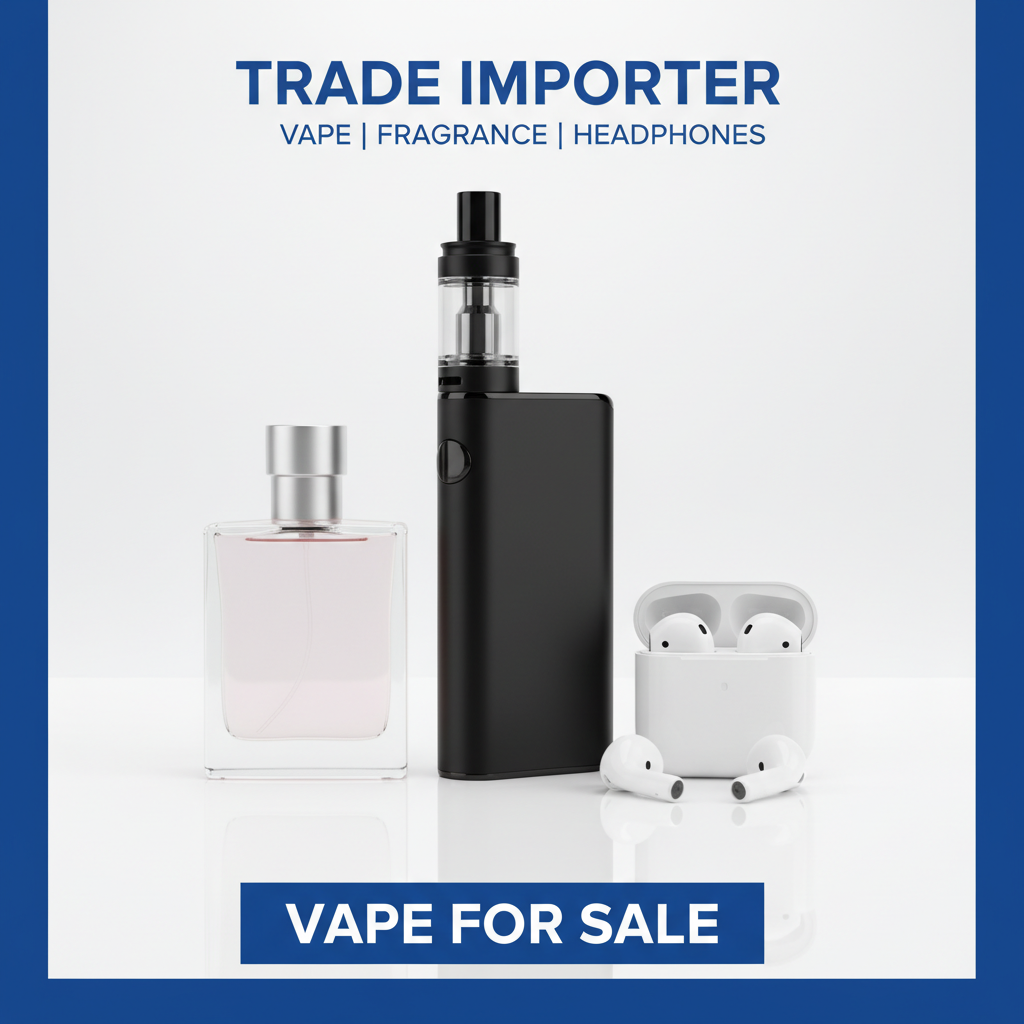
Navigating the diverse landscape of modern vaping requires a clear understanding of the various type of e cigarettes available on the market today. From simple convenience to highly customizable cloud-chasing machines, the evolution of these devices has transformed how millions of adults manage their nicotine consumption globally. Understanding these differences is not just about preference; it is about finding the right balance between efficiency, flavor, and portability.
The global shift toward harm reduction has accelerated the technical sophistication of each type of e cigarettes, integrating advanced battery technology and precision heating elements. As the industry matures, we see a distinct divergence between "closed-system" simplicity and "open-system" versatility, catering to both the novice user and the seasoned enthusiast. This diversity ensures that whether a user seeks a discreet alternative to traditional smoking or a hobbyist experience, there is a tailored solution available.
Ultimately, the choice of a specific type of e cigarettes impacts the user's long-term satisfaction and sustainability of their habit. By examining the mechanical components, the delivery systems, and the e-liquid compatibility of these devices, consumers can make informed decisions that align with their lifestyle. This guide delves into the technical nuances and practical applications of the most prominent vaping systems in the current industrial landscape.
Evolution and Classification of Vaping Systems
The journey of each type of e cigarettes began with the "cig-a-like," a basic device designed to mimic the look and feel of a traditional combustible cigarette. These early iterations were primarily focused on familiarity, providing a simple battery and a pre-filled cartridge. However, as user demands grew for more vapor production and flavor intensity, the industry pivoted toward more robust designs that could handle higher wattages and a wider variety of e-liquids.
Today, we categorize these systems into four primary groups: disposables, pod systems, vape pens, and advanced mods. Each category represents a different philosophy of design—some prioritizing "zero-maintenance" convenience, others focusing on "extreme-customization." This classification helps consumers navigate the market by identifying whether they value portability, battery longevity, or the ability to fine-tune the temperature of their vapor.
Core Components and Mechanical Functionality
At the heart of every type of e cigarettes is a battery, an atomizer, and a reservoir. The battery provides the electrical energy required to heat the coil, which is typically made from Kanthal, Stainless Steel, or Nichrome. The efficiency of this heating process determines the "hit" quality and the smoothness of the vapor, making the choice of coil material a critical factor for professional users.
The reservoir, or tank, holds the e-liquid, which is then wicked into the coil via organic cotton or ceramic elements. In more advanced systems, the airflow is adjustable, allowing the user to switch between a "Tight MTL" (Mouth-to-Lung) draw, which mimics a cigarette, and a "DL" (Direct Lung) draw, which produces massive clouds. This mechanical flexibility is what distinguishes a high-end mod from a basic pod device.
Modern electronics have introduced "smart chips" to these devices, which prevent short-circuiting and overcharging. These chipsets allow for precise wattage control, ensuring that the coil does not burn (dry hit) by regulating the power flow. As the hardware evolves, we see more integration of OLED screens and haptic feedback, turning a simple tool into a piece of high-tech consumer electronics.
Comparing Closed vs Open System Architectures
When analyzing the type of e cigarettes from an architectural standpoint, the primary divide is between closed and open systems. Closed systems utilize pre-filled pods that are replaced entirely once the liquid is depleted, offering a seamless experience with no leakage and zero manual filling.
In contrast, open systems allow users to refill their own tanks and change individual coils. This specific type of e cigarettes is preferred by those who want to control the nicotine strength and flavor profiles of their E-Liquid, significantly reducing the long-term cost per milliliter of liquid consumed.
The trade-off between these two architectures is essentially convenience versus control. While closed systems are ideal for those transitioning from smoking who want a "plug-and-play" device, open systems appeal to the "vape enthusiast" who enjoys the ritual of mixing liquids and optimizing hardware performance for the best possible sensory experience.
Performance Metrics of Popular Vaping Models
To objectively evaluate a type of e cigarettes, we must look at performance metrics such as battery endurance, flavor fidelity, and leak resistance. For instance, disposable devices score high on convenience but low on sustainability, whereas box mods offer peak performance at the cost of bulkiness.
By quantifying these attributes, users can determine which device fits their specific environmental needs—whether that is a discreet office setting or a social gathering where vapor production is the primary goal. The following data represents an industry average of how different categories perform across key user-experience dimensions.
Comparative Performance Ratings by Type of E Cigarettes
Global Market Adoption and User Demographics
The adoption of a particular type of e cigarettes varies significantly by region due to local regulations and cultural preferences. In North America and Europe, there is a strong lean toward highly regulated pod systems and disposables, driven by a demand for convenience and salt-nicotine formulations that mimic the satisfaction of traditional tobacco.
Meanwhile, in Asia-Pacific markets, we see a surge in "hybrid" devices that combine the portability of a pen with the power of a mod. This global fragmentation demonstrates that the industry is not one-size-fits-all; instead, it is a responsive ecosystem that adapts its hardware to meet the legal frameworks and consumer behaviors of different continents.
Sustainability and Environmental Impact of Hardware
As the popularity of each type of e cigarettes grows, so does the environmental concern regarding electronic waste and lithium-ion battery disposal. Disposable vapes, while convenient, have come under scrutiny for contributing to landfill waste, prompting a shift toward rechargeable "pod-mod" systems that only require the replacement of the plastic pod rather than the entire device.
Many manufacturers are now integrating biodegradable materials into their pods and exploring "circular economy" programs where users can return old batteries for professional recycling. This transition is crucial for the industry's long-term viability, as consumers increasingly prioritize eco-friendly brands over those that ignore their carbon footprint.
Furthermore, the move toward open-tank systems encourages a more sustainable pattern of consumption. By allowing users to buy e-liquids in bulk and replace only the organic cotton coil, the volume of single-use plastics is drastically reduced, aligning the vaping experience with modern environmental standards.
Future Innovations in Electronic Delivery Systems
The future of the type of e cigarettes is leaning heavily toward "Smart Vaping." We anticipate the integration of AI-driven temperature control that adjusts the heat in real-time to prevent burnt coils and maximize flavor purity. Additionally, biometric locks are being developed to prevent unauthorized use, particularly by minors, adding a layer of social responsibility to the hardware.
Materials science is also playing a role, with the introduction of graphene heating elements that heat up almost instantaneously and offer more consistent thermal distribution. This will likely lead to smaller, more powerful devices that don't sacrifice battery life for size, bridging the gap between the "cig-a-like" and the "box mod."
Finally, we expect a tighter integration between hardware and digital health tracking. Future devices may sync with smartphones to provide data on nicotine intake and usage patterns, transforming a simple habit-replacement tool into a comprehensive wellness management device.
Technical Specification Analysis of Future Vaping Systems
| System Category |
Heating Material |
Battery Tech |
Sustainability Score |
| Smart Pods |
Ceramic Mesh |
Solid State |
8/10 |
| Eco-Disposables |
Biodegradable Alloy |
Recyclable Li-ion |
6/10 |
| Pro-Mods |
Graphene |
High-Density Li-Po |
9/10 |
| Hybrid Pens |
Kanthal A1 |
USB-C Integrated |
7/10 |
| Health-Sync Vapes |
Precision Quartz |
Energy Efficient |
8/10 |
| Modular Systems |
Interchangeable Coils |
Swappable Cells |
10/10 |
FAQS
The main difference lies in complexity and control. Pod systems are compact, usually use nicotine salts, and are designed for simplicity with few settings. Vape mods are larger, use freebase nicotine, and offer adjustable wattage, voltage, and temperature controls, making them ideal for those who want to customize their vapor production and flavor experience.
Yes, generally. While the upfront cost is low, you are paying for both the battery and the liquid in a single-use package. Refillable systems require a higher initial investment but allow you to buy e-liquids in bulk and only replace the coils, which significantly lowers the cost per puff over several months.
For most former smokers, a pod system is the best starting point because it mimics the "throat hit" of a cigarette through nicotine salts and is discreet. If you prefer the ritual of a larger device and want to experiment with flavors, a vape pen or a starter kit mod might be more rewarding.
MTL (Mouth-to-Lung) refers to drawing vapor into the mouth first before inhaling into the lungs, similar to smoking a cigarette. DL (Direct Lung) involves inhaling the vapor directly into the lungs in one continuous breath, which is typical for high-power devices that produce larger clouds.
Not necessarily. High-nicotine salts are designed for low-power pod systems; using them in a high-wattage box mod can be overwhelming and unpleasant. Conversely, thick high-VG (Vegetable Glycerin) liquids may be too viscous for small pod coils, leading to frequent burnt hits. Always match your liquid viscosity and nicotine strength to your device's power.
Coil lifespan depends on the liquid used (sweet liquids tend to "gunk up" coils faster) and usage frequency. Generally, a coil should be replaced every 1-2 weeks, or as soon as you notice a decline in flavor quality or a burnt taste. Forcing a coil past its prime can lead to harsh vapor and poor performance.
Conclusion
Understanding the various type of e cigarettes is essential for any consumer looking to optimize their vaping experience. From the streamlined efficiency of closed-pod systems to the industrial power of customizable mods, the industry has created a spectrum of tools that cater to different needs, budgets, and technical preferences. By focusing on core components like battery life, coil material, and system architecture, users can move beyond marketing hype to find hardware that truly supports their lifestyle and goals.
Looking forward, the trajectory of the industry points toward a fusion of sustainability and intelligence. As we move away from disposable waste and toward AI-integrated, eco-friendly hardware, the act of vaping will become more personalized and responsible. We encourage users to stay informed about material innovations and regulatory changes to ensure they are using the safest and most efficient technology available. To explore the latest in high-quality vaping solutions, visit our website: www.sxzpods.com