The world of fragrance is vast and diverse, but `chinese cologne` represents a unique and increasingly popular segment. Rooted in traditional Chinese perfumery techniques, these scents are experiencing a global resurgence, appealing to those seeking sophisticated, nuanced aromas that move beyond mainstream offerings. Understanding `chinese cologne` isn't just about appreciating a fragrance; it's about connecting with a cultural heritage and a growing trend in the luxury goods market.
The growing interest in `chinese cologne` is fueled by several factors, including increasing disposable incomes in Asia, a rising demand for unique and artisanal products, and a growing appreciation for Chinese culture globally. This isn’t merely a local phenomenon; the demand is spreading to Western markets, with consumers eager to explore scents that offer something different from the ubiquitous European and American brands. The implications for the fragrance industry are significant, prompting both established brands and emerging niche perfumers to explore and incorporate Chinese aromatic ingredients and techniques.
`Chinese cologne` embodies more than just a pleasant smell; it represents a fusion of history, art, and natural ingredients. It’s a fragrant journey into a rich cultural landscape, offering a compelling alternative in a crowded market. This exploration is not simply about scent; it's about an experience and a growing global recognition of the artistry within Chinese perfumery.
The Essence of chinese cologne
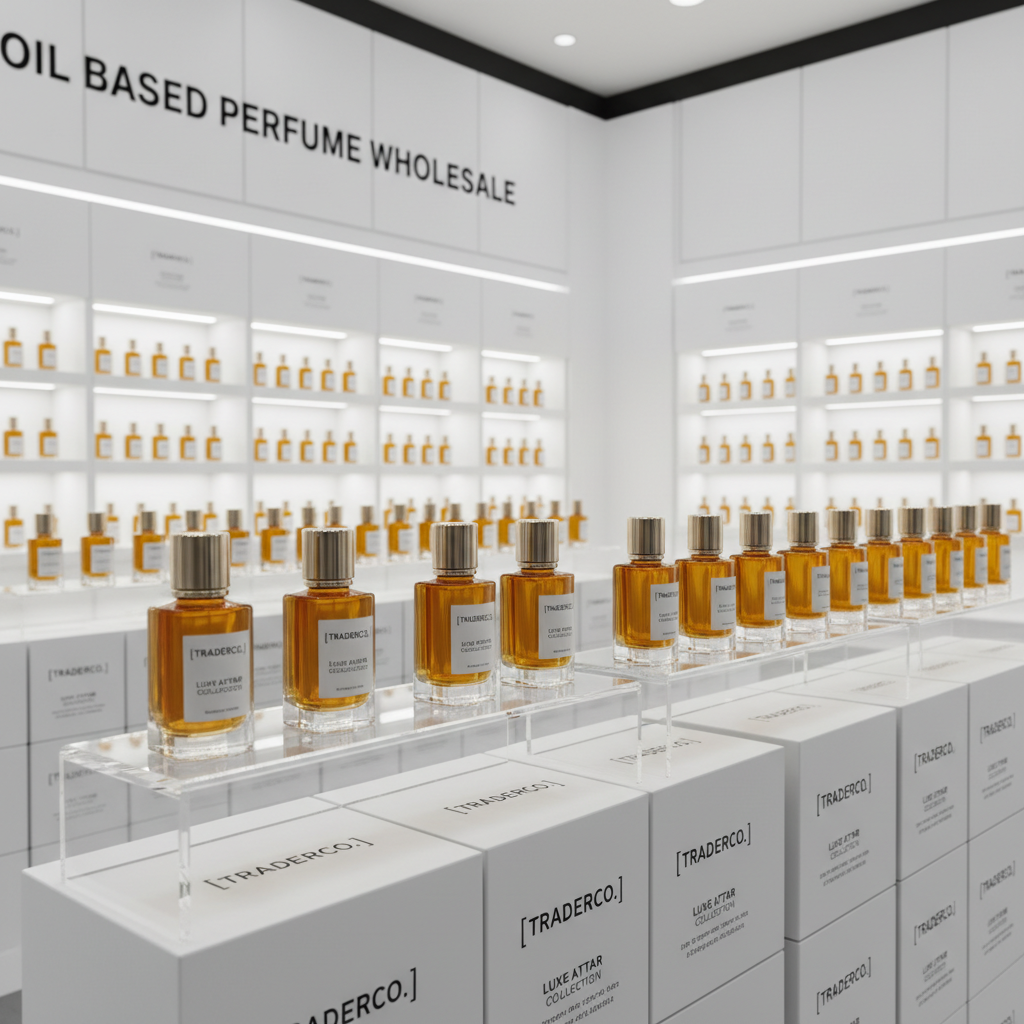
At its heart, `chinese cologne` represents a departure from the often-alcohol-heavy formulations of Western fragrances. Instead, it frequently utilizes a base of natural oils, botanical extracts, and traditional Chinese ingredients like osmanthus, plum blossom, sandalwood, and agarwood. This focus on natural elements creates a softer, more subtle fragrance profile that evolves beautifully on the skin.
The creation of `chinese cologne` isn't solely about the scent itself. It is intertwined with a holistic approach to wellbeing, reflecting Chinese philosophies of balance and harmony. Many ingredients are chosen not just for their aroma, but also for their perceived therapeutic properties, creating a fragrance experience that is both sensual and restorative.
Global Relevance and Market Trends
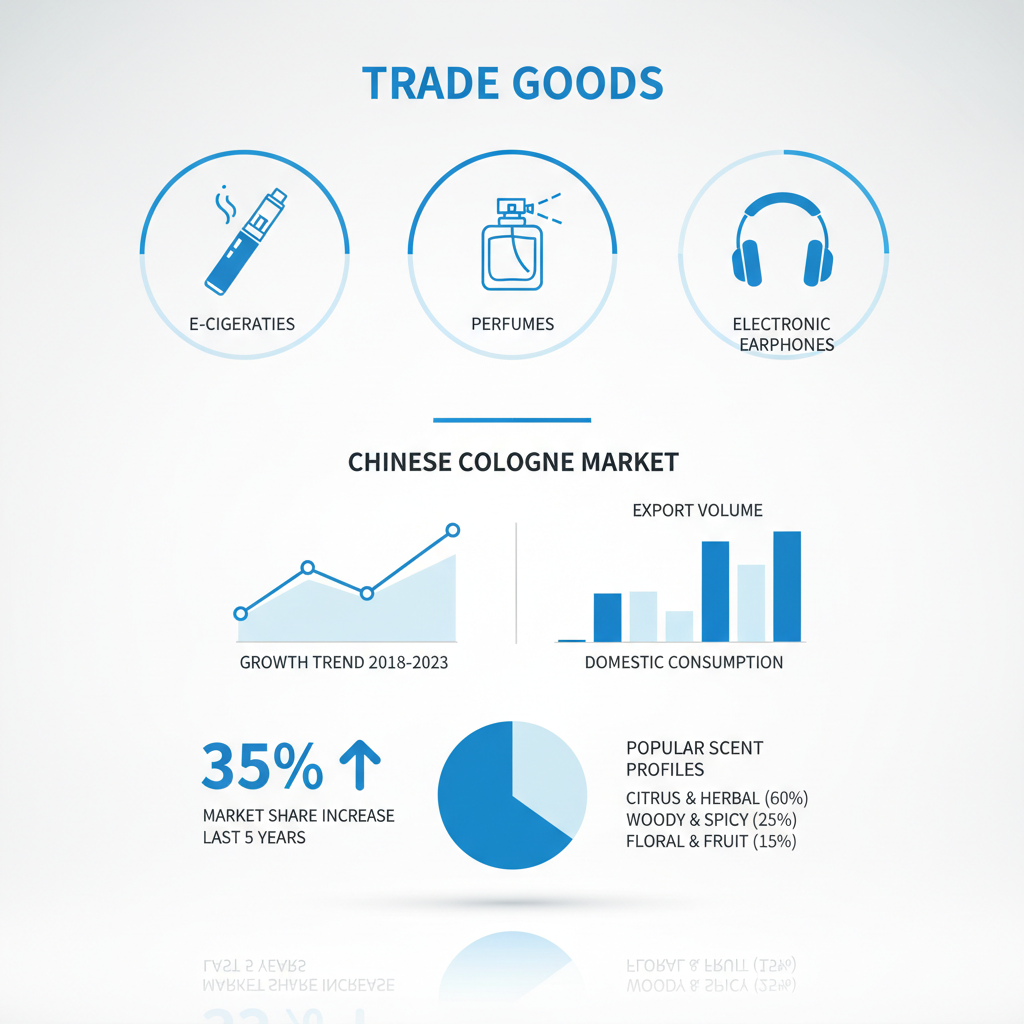
The global fragrance market is a multi-billion dollar industry, and `chinese cologne` is rapidly gaining a foothold. Driven by the expanding middle class in China and the increasing demand for niche and artisanal perfumes worldwide, the segment is poised for significant growth. Data from market research firms indicate a consistent year-over-year increase in sales of Chinese-inspired fragrances, particularly in Asia-Pacific and North America.
A key trend is the growing consumer awareness of sustainable and ethical sourcing. Many `chinese cologne` brands prioritize the use of responsibly harvested ingredients and support local communities, aligning with the values of environmentally conscious consumers. This emphasis on sustainability presents a competitive advantage in a market increasingly sensitive to ethical considerations.
However, a challenge lies in educating consumers about the nuances of `chinese cologne`. Many are unfamiliar with the traditional ingredients and scent profiles, requiring brands to invest in marketing and educational initiatives to build awareness and appreciation. Successfully bridging this gap will be crucial for unlocking the full potential of this expanding market.
Defining chinese cologne: Tradition and Modernity
`Chinese cologne` isn’t simply a historical relic; it's a living tradition that continues to evolve. While rooted in ancient perfumery practices dating back centuries, it’s also embracing modern techniques and innovative ingredient combinations. The modern interpretation blends the wisdom of the past with the creativity of contemporary perfumers, resulting in unique and captivating scents.
Historically, `chinese cologne` was often created using water-based infusions and natural oils, rather than alcohol. This approach yielded fragrances that were gentler on the skin and possessed a subtle, lingering aroma. These early formulations were often used for personal hygiene, religious ceremonies, and as offerings to deities, highlighting the fragrance’s cultural significance.
Today’s `chinese cologne` brands are increasingly experimenting with new extraction methods, blending traditional ingredients with modern synthetic compounds to achieve complex and long-lasting scents. This fusion of tradition and modernity is key to its growing appeal, offering a fragrance experience that is both authentic and contemporary.
Key Characteristics of chinese cologne
One defining characteristic of `chinese cologne` is its emphasis on floral and woody notes. Osmanthus, plum blossom, and magnolia are frequently used to create delicate and enchanting floral accords, while sandalwood, agarwood, and cedar provide a grounding and sophisticated base. These are often combined with subtle spices like cinnamon and star anise to add complexity and warmth.
Ingredient Preference in `chinese cologne` Formulation
Applications and Cultural Significance
Historically, `chinese cologne` held deep cultural significance, often used in religious ceremonies, traditional medicine, and as personal adornment by the imperial court. Fragrant sachets and incense were essential elements of daily life, symbolizing refinement and spiritual connection.
Today, `chinese cologne` is experiencing a renaissance in both traditional and contemporary contexts. Beyond personal use, it's increasingly integrated into aromatherapy practices, spa treatments, and home fragrance products. Furthermore, it's playing a vital role in preserving and promoting Chinese cultural heritage, attracting a new generation of consumers who appreciate its artistic and historical value.
Advantages of Choosing chinese cologne
One significant advantage of `chinese cologne` is its gentle formulation, often lacking the harsh chemicals and high alcohol content found in many Western fragrances. This makes it a suitable option for individuals with sensitive skin or allergies. The use of natural ingredients also contributes to a more harmonious and balanced scent experience.
`Chinese cologne` also offers a unique and sophisticated olfactory profile, distinct from mainstream fragrances. The intricate blends of floral, woody, and spicy notes create a captivating aroma that is both alluring and calming. This allows consumers to express their individuality and appreciate a fragrance that stands out from the crowd.
Finally, choosing `chinese cologne` supports ethical and sustainable practices, as many brands prioritize responsible sourcing and local community development. This aligns with the growing consumer demand for eco-conscious products and contributes to a more equitable and sustainable fragrance industry.
Future Outlook and Innovations in chinese cologne
The future of `chinese cologne` is bright, with significant opportunities for innovation and growth. We can expect to see increasing research into new extraction methods for traditional ingredients, as well as the development of sustainable and eco-friendly packaging solutions.
Digital technologies will also play a key role, with brands utilizing online platforms and social media to reach wider audiences and personalize the fragrance experience. Virtual reality and augmented reality applications could allow consumers to “sample” scents remotely, enhancing the online shopping experience.
Furthermore, collaborations between Chinese perfumers and international fragrance houses will likely lead to exciting new scent creations, blending the best of both worlds. This cross-cultural exchange will further elevate the profile of `chinese cologne` on the global stage.
Analysis of Key Factors Influencing `chinese cologne` Market Growth
| Ingredient Quality |
Brand Storytelling |
Distribution Channels |
Consumer Perception |
| Sourcing of authentic and high-grade traditional Chinese ingredients. |
Effectiveness of communicating the brand's heritage and values. |
Availability of `chinese cologne` through online platforms and specialty retailers. |
Consumer awareness and appreciation of the unique qualities of `chinese cologne`. |
| Impact of ingredient quality on the overall fragrance experience (Rating: 1-10: 9) |
Role of storytelling in building brand loyalty (Rating: 1-10: 8) |
Reach and effectiveness of different distribution strategies (Rating: 1-10: 7) |
Influence of cultural associations on consumer preferences (Rating: 1-10: 7) |
| Maintaining consistent quality control throughout the supply chain. |
Creating a compelling narrative that resonates with target audiences. |
Expanding into new geographical markets and retail partnerships. |
Addressing consumer misconceptions about `chinese cologne`. |
| Traceability and transparency of ingredient origins. |
Leveraging digital marketing to enhance brand storytelling. |
Optimizing the online shopping experience for `chinese cologne`. |
Promoting the health and wellness benefits of natural ingredients. |
| Compliance with international quality standards. |
Collaborating with influencers and brand ambassadors. |
Offering personalized fragrance recommendations. |
Highlighting the cultural significance and artistic value. |
| Investing in research and development for sustainable sourcing. |
Engaging consumers through interactive experiences and events. |
Providing excellent customer service and post-purchase support. |
Building a strong brand reputation based on quality and authenticity. |
FAQS
`Chinese cologne` typically utilizes a base of natural oils and botanical extracts rather than alcohol, resulting in a gentler and more subtle scent profile. It emphasizes traditional Chinese ingredients like osmanthus, sandalwood, and agarwood, creating a unique olfactory experience distinct from the often-synthetic notes found in many Western perfumes. Furthermore, Chinese perfumery often incorporates a holistic approach, considering the therapeutic properties of ingredients alongside their aroma.
Yes, `chinese cologne` is often a good choice for individuals with sensitive skin. The lower alcohol content and reliance on natural ingredients minimizes the risk of irritation. Many formulations also avoid harsh chemicals and synthetic fragrances that can trigger allergic reactions. However, it's always recommended to perform a patch test before applying any new fragrance liberally.
Authentic `chinese cologne` can be found through several channels. Specialized online retailers focusing on niche and artisanal perfumes are a good starting point. You can also explore direct-to-consumer websites of Chinese fragrance brands, and select department stores or boutiques that carry a curated selection of international fragrances. Look for brands that emphasize transparent sourcing and traditional techniques.
The longevity of `chinese cologne` can vary depending on the specific formulation and the concentration of essential oils. Generally, due to the lower alcohol content, it tends to have a more subtle and intimate scent profile that lasts for several hours, rather than projecting strongly throughout the day. Layering with complementary products, such as body lotion or oil, can help extend the fragrance's duration.
Increasingly, `chinese cologne` brands are prioritizing sustainability. Many are committed to responsible sourcing of ingredients, utilizing eco-friendly packaging materials, and minimizing their environmental footprint. Look for brands that have certifications or demonstrate a clear commitment to ethical and sustainable practices. Supporting these brands contributes to a more responsible and environmentally conscious fragrance industry.
Key ingredients in `chinese cologne` include osmanthus, known for its delicate apricot scent; sandalwood, providing a warm and grounding base; plum blossom, offering a sweet and floral aroma; agarwood (oud), a rare and precious resin with a complex scent; and magnolia, contributing a fresh and uplifting note. These ingredients are often combined with spices like cinnamon and star anise to create nuanced and captivating fragrances.
Conclusion
In essence, `chinese cologne` represents a captivating fusion of tradition, artistry, and natural ingredients. Its growing global popularity stems from its unique scent profiles, gentle formulations, and the increasing consumer demand for authentic and sustainable products. It’s more than just a fragrance; it’s a cultural experience, a connection to history, and a reflection of evolving tastes.
Looking ahead, the future of `chinese cologne` is brimming with potential. Continued innovation in sustainable sourcing, digital marketing, and cross-cultural collaborations will undoubtedly elevate its profile and appeal to a wider audience. Explore the world of `chinese cologne` and discover a fragrance experience that is both captivating and deeply meaningful. Visit our website: chinese cologne.